Xi'an University of Technology Summer Social Practice Focuses on the Development and Utilization of Wild Vegetable Resources
In July 2014, three students from the School of Printing and Packaging Engineering at Xi'an University of Technology conducted surveys on the quantity, varieties and distribution of wild vegetable resources in parts of Baoji City, Hanzhong City and Weinan City in Shaanxi Province. With the development of the social economy and the improvement of people's living standards, people are paying more and more attention to dietary health and nutrition, and the demand for vegetables is shifting from a quantity-oriented to a quality-oriented model, developing in the direction of nutrition, diversity, high quality, freshness, refinement and freedom from pollution.
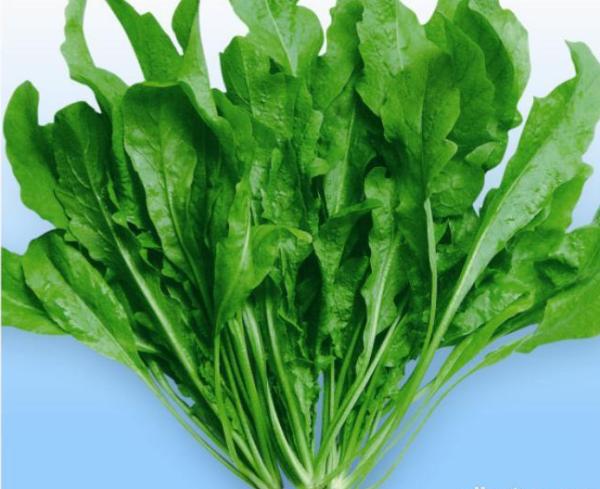
Although China has a vast territory, a wide variety of wild vegetables and abundant resources, the development and utilization rate of edible wild vegetables is only about 3%, resulting in enormous waste. Many consumers' tastes are returning to naturalness, and the demand for natural wild-type vegetables is constantly increasing. Therefore, developing and utilizing wild vegetables means putting these neglected precious resources back into use, is a concentrated expression of sustainable development, and holds enormous market potential.
In this survey, we mainly compiled statistics on the varieties, quantity and distribution of wild vegetables in parts of Shaanxi Province, and investigated the awareness of wild vegetables among farmers and urban residents, in order to understand their utilization and development status. In just two weeks, the three of us traveled successively to Majiapu Village in Pucheng County, Weinan City, Changxing Village in Mei County, Baoji City, and Jizhai Village in Mian County, Hanzhong City. Mainly through field observation, questionnaire surveys, interview surveys and literature surveys, we conducted stratified and grouped sampling surveys of different groups (including the elderly, middle-aged people and young people) in different areas, and searched a large number of relevant domestic and international literature and materials. By combining practice with analysis, we maximized the accuracy of the final data.
During the survey, we also received a widespread response from the public: the southern region has a humid climate and a mild environment, and wild vegetable resources are very abundant, but because there are few specialized wild vegetable purchasing departments locally, the vast majority of wild vegetables are left unmanaged and simply wasted, including valuable medicinal herbs such as parsley, burdock and fennel. Therefore, the results of this survey can not only provide local wild vegetable supply and marketing institutions with reliable data on the varieties, quantity and distribution of wild vegetables, serving as a reference for the subsequent establishment of supply and demand channels for wild vegetables and helping to solve the public's difficulties; they can also serve as material for relevant people writing works on local customs and culture, increasing the authenticity of their works and reflecting people's livelihood. At the same time, in the entire process of planning and implementing this practical activity, it also cultivated our college students' awareness of innovation, improved our research ability and overall quality, and exercised college students' communication and social skills and their ability to handle various problems.