Urban-rural tourism integration is being promoted under unified planning, and the chessboard is getting bigger and bigger
Original title: Leverage the "Internet Plus" bring in professionals carry out unified planning and construction
Agriculture sector proposal focuses on urban-rural tourism integration
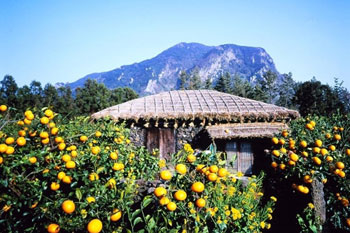
Rural tourism in the suburbs of Beijing (file photo)
Rural tourism provides city dwellers with a great place for leisure vacations, and has also brought substantial income to rural areas in the suburbs of Beijing. However, how to make rural tourism in the Beijing suburbs more innovative and upgrade it to a higher level is also a topic of public concern. At the fourth session of the 12th Beijing Municipal Committee of the Chinese People's Political Consultative Conference, members of the agriculture sector held heated discussions around this hot topic. In the end, a proposal titled "On Coordinating and Promoting the Integrated and Sustainable Development of Urban and Rural Tourism," as an agriculture sector proposal, won unanimous approval from the members present.
Member Leng Ruxin has always paid close attention to the content of this proposal. In her view, rural tourism should also consider riding the fast train of "Internet Plus." "On weekends, city dwellers want to rush to the suburbs, but as for where exactly to go and which places are truly fun, many people are not very clear." Leng Ruxin said that internet platforms can be used to display and promote fun scenic spots, delicious traditional folk meals, and distinctive folk tourism villages in the Beijing suburbs.
When it comes to rural tourism, member Hou Xiurong also has many ideas. She suggested that relevant departments should carry out overall regional planning for rural tourism development, add cultural connotations, and make rural tourism distinctive and full of highlights, avoiding the problem of "a thousand villages looking the same." Experience in tourism development from places such as Taiwan, China, can be drawn on to carry out refined categorized packaging and development of rural tourism in the Beijing suburbs. In particular, rural tourism products should not be just jujubes and walnuts sold in every village; they should be developed according to local cultural characteristics. If it is difficult for farmers to develop them on their own, tourism design professionals can be invited to help with development.
As the lead author of the proposal, Beijing Municipal Committee of the Chinese People's Political Consultative Conference member Ma Rongcai conducted multiple field surveys on rural tourism in the Beijing suburbs over the past year and consulted a large amount of professional literature. "Rural tourism development cannot be done separately by each place; it should be incorporated into the broader urban tourism system, with unified planning and construction, and scientific development and rational layout of rural tourism projects." Ma Rongcai said that during the "13th Five-Year Plan" period, under the background of Beijing-Tianjin-Hebei coordinated development, urban and rural tourism should be planned, with distinctive features highlighted, brands established, modern rural tourism industrial clusters developed, and the transition gradually realized from being mainly based on distinctive resources to being mainly based on tourism product innovation. He suggested that relevant departments should take ecological and environmental protection as the focal point, strengthen environmental auditing and impact assessment of rural tourism planning, and ensure that the rural tourism industry becomes an industry of continuous consumption and achieves sustainable development. (Staff Reporter Liu Feifei)