Common pest and disease control methods for growing vegetables on balconies and in courtyards, safe and effective
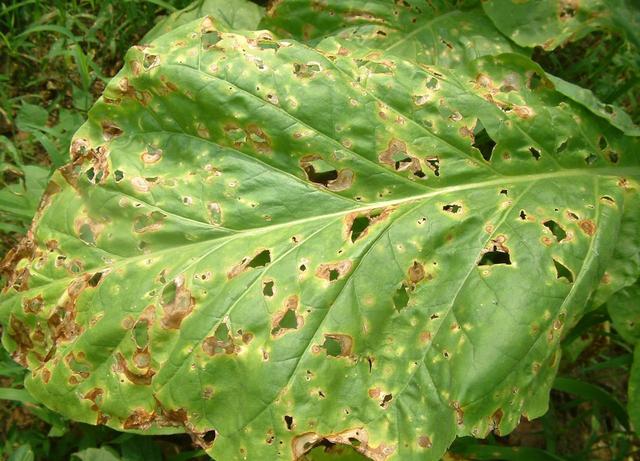
Pest and disease control for organic vegetable growing in courtyards or on balconies is based on prevention first, combined with control, and can be carried out through physical and biological methods used together. For common pests such as aphids that appear during the growing process, plant extracts like chili water, chive water, and garlic juice can be used, but extracting them in large quantities is costly and their effectiveness is only average. Today Courtyard Show will introduce several methods for everyone to try.
1. Fungal and bacterial diseases
(1) Use thoroughly decomposed fertilizer, and use high-temperature greenhouse sealing, sulfur fumigation, etc., to eliminate pathogens.
(2) Disinfect seeds, and during the seedling stage drench the roots with various microbial bacteria to enhance resistance
(3) Use facility greenhouses and arched sheds to create an environment suitable for normal vegetable growth, and ventilate in time to cool down and remove moisture, reducing the conditions for disease occurrence.
(4) When diseases such as powdery mildew and leaf mold inevitably appear, microbial agents and mineral-source fungicides are allowed for control.
Microbial agents: Trichoderma, Bacillus subtilis, physcion, lentinan, eugenol, Bituo, etc.
Mineral-source fungicides: lime sulfur mixture, Bordeaux mixture, Copper Master, etc.
During plant protection, liquid fertilizers such as amino acids, seaweed fertilizer, wood vinegar, biogas slurry, rice vinegar, and brown sugar can be appropriately added to strengthen plant resistance.
2. Common insect pests
(1) Using high-temperature greenhouse sealing in summer can eliminate some pests inside the greenhouse
(2) Strengthen the covering of insect-proof nets on greenhouses and arched sheds, clean up weeds in time, and reduce pests moving between greenhouses, etc.
(3) Hang sticky insect boards, ultraviolet insect-killing lamps, and use physical and biological measures such as Encarsia formosa and Neoseiulus cucumeris.
(4) Plant-source and mineral-source insecticides are allowed. Such as pyrethrum, rotenone, matrine, veratrine, Bacillus thuringiensis, Bituo, mineral oil, etc.
3. Use various traditional methods to concentrate and trap insect pests
(1) Sugar, vinegar, liquor, and water in a ratio of 3:4:1:2
(2) Paulownia leaves to trap cutworms
(3) Dry chicken manure: stir-fry until dry and granular, then scatter at the roots of vegetables
(4) Plant ash: it can be sprayed or applied in holes to control chive maggots, etc.