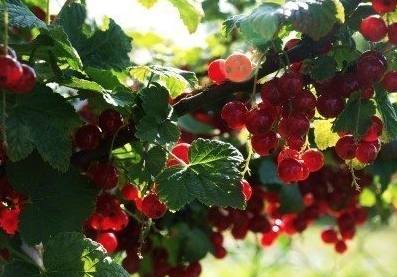
What Is a Gooseberry? An Introduction to Its Nutritional Value and Growing Care Methods
Both ornamental and practical, gooseberries are an excellent choice for home gardens in the northern states. Nutritious and low in fat, it is no wonder that currants are more popular than ever. Although they are usually used in baking, jams and jellies because of their tart flavor, some types are sweet enough to be eaten right off the bush
Both ornamental and practical, gooseberries are an excellent choice for home gardens in the northern states. Nutritious and low in fat, it is no wonder that currants are more popular than ever. Although they are usually used in baking, jams and jellies because of their tart flavor, some types are sweet enough to be eaten right off the bush.
What is a gooseberry? Gooseberries are small berries that contain a great deal of nutrition. According to the USDA nutrition handbook, they have more vitamin C, phosphorus and potassium than any other fruit. In addition, they are second only to elderberries in iron and protein content, and they are lower in fat than any fruit except nectarines.
Gooseberries come in red, pink, white and black. Red and pink are mainly used for jams and jellies because they are very sour. White ones are the sweetest and can be eaten without restraint. Dried gooseberries are becoming increasingly popular as a snack. Some gooseberry bushes are attractive enough to be planted in a shrub or flower border.
How do you grow gooseberries? Growing gooseberries is restricted in some areas because they are susceptible to white pine blister rust, a disease that can destroy trees and crops. Local nurseries and agricultural extension agents can help you learn about restrictions in your area. These local resources can also help you choose the varieties that grow best in the region. Always ask for disease-resistant varieties.
Gooseberry bushes can pollinate their own flowers, so you only need to plant one variety to get fruit, but if you plant two different varieties you will get larger fruit.
Caring for gooseberry bushes? Gooseberry bushes live for 12 to 15 years, so it is worth taking the time to prepare the soil. They need well-drained soil containing plenty of organic matter, with a pH between 5.5 and 7.0. If your soil is clay or sand, work in plenty of organic matter before planting, or prepare a raised bed.
Gooseberries grow well in sun or partial shade, and appreciate afternoon shade in warmer climates. Gooseberry bushes prefer the cool conditions of USDA plant hardiness zones 3 to 5. When temperatures exceed 85 degrees Fahrenheit (29 degrees Celsius), the plants may drop their leaves for a long period.
Plant gooseberries slightly deeper than they were growing in the nursery container, and space them 4 to 5 feet apart. Water thoroughly after planting, and apply 2 to 4 inches of organic mulch around the plants. Mulching helps keep the soil moist and cool and prevents competition from weeds. Add additional mulch each year to maintain the proper depth.
Water gooseberry bushes regularly to keep the soil moist from the start of growth in spring until after harvest. Plants that get insufficient water in spring and summer may develop mold. Too much nitrogen can also encourage disease. In early spring, give them only a few tablespoons of 10-10-10 fertilizer each year. Keep the fertilizer 12 inches away from the trunk of the bush. Pruning gooseberry bushes every year is helpful for the plant as well as for maintaining its shape each year and encouraging a larger, healthier harvest.