What are the common misconceptions among ordinary cattle farmers?
The following areFarming FamilySupporting media - WeChat: (xmsyw_yzyjr), how can you do farming without this kind of approach? Friends can take a look:
Crude sheds: dark, damp, narrow and small - this is the basic situation of cattle sheds in mountainous areas. Whether cattle were raised for plowing in the past or for prosperity today, very few put effort into building cattle sheds, and the sheds they have stay the same all year round, with no regard for cold winters or hot summers. The dirt floor is not covered with bedding in time, and manure and urine in the shed turn into a pool, sticking to the cattle's bodies and harming their health. Especially in winter, this often causes diseases such as rheumatism, abdominal pain and colds. To raise cattle well, you should build the cattle shed properly, and according to the cattle's physiological characteristics, local actual conditions and feeding scale, consider comprehensively such aspects as being sturdy and durable, easy to manage, warm in winter and cool in summer, design scientifically, build the shed well, and keep it hygienic.
Mixed raising in the same shed: because shed space is limited, some people naturally end up raising cattle mixed together. In the same shed there are bulls and cows; large cattle and small cattle; open (non-pregnant) cows and pregnant cows. Mixed raising easily leads to young heifers being mated as soon as they first come into heat, weak cattle being bullied by strong cattle, and pregnant cattle giving birth prematurely or miscarrying. Therefore, they must be treated differently according to sex, size, strength and pregnancy status, and raised separately, so as to achieve production goals.
Irregular feeding: because of a lack of scientific cattle-raising knowledge, the vast majority of cattle raisers do not feed at fixed times, in fixed amounts and of fixed quality, but instead feed less when busy and more when free, directly affecting the cattle's growth and development. Fixed time, fixed amount and fixed quality are the foundation of scientific cattle raising and must be implemented conscientiously.
Feeding whatever is available: the growth and development of cattle is staged, and cattle in different periods and with different production uses require different nutrients. But cattle raising in mountainous areas generally feeds whatever is available, completely ignoring nutritional matching and nutrient complementation. In spring, summer and autumn the cattle are driven up the slopes to graze, and in winter they are fed straw, forming a vicious cycle of "full in summer, fat in autumn, thin in winter, exhausted to death in spring." To change this situation and meet the cattle's nutrient needs, you should believe in science, fully implement formulated feed mixing, let the cattle eat their fill without waste, and improve feeding efficiency.
Large feed waste: many cattle farmers have no straw-cutting equipment, so in winter when cattle are kept in sheds, they throw several bundles of corn stalks and dry wheat straw into the shed and let the cattle eat on the spot; the cattle eat and trample at the same time, eating little and wasting much. Therefore, every cattle farmer should have straw-cutting tools and achieve "cutting every inch of grass with three cuts."
Rarely feeding concentrate: some cattle farmers believe that since cattle are herbivorous livestock, it does not matter whether or not they are given feed, so whether pregnant cows, lactating cows, breeding bulls or draft cattle, they are given very little feed, resulting in very poor growth performance. To make cattle strong and achieve good production goals, they should be supplied with a complete daily ration. Breeding bulls are generally fed 1.5-2 kg of concentrate per day, draft cattle are fed no less than 1 kg per day, and pregnant cows, especially in the 3 months before calving, should be given more high-quality complete feed.
Heifers bred too early: breeding a heifer at its first estrus is a common problem in cattle raising in mountainous areas. Breeding too early affects the cattle's growth and development, shortens the cattle's useful life, and also affects the growth, development and constitution of the next generation. Early breeding of cows should be firmly eliminated; generally, yellow cows are more suitable for first mating at 1.5-2 years of age.
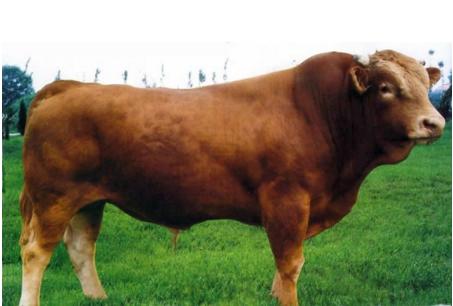
Serious inbreeding: inbreeding is a relatively prominent problem in cattle raising in mountainous areas, leading to small adult size, poorer constitution and breed degeneration in mountain-area yellow cattle. To thoroughly change this situation, improved beef cattle breeds must be vigorously popularized to improve local yellow cattle.
Yoursharingis ourmotivation! Yourfollowingis ourbrilliance!
Welcometo add and followThe country's first and largestpublic-benefitplatform in the breeding industryWeChat public account "Smart New NongCun" WeChat ID:xmsyw_yzyjr