Is dry feeding really good? Don't just look at the labor and time savings
At present, most pig farms in China use the dry feeding model (both pellet feed and mash feed belong to dry feed) to raise pigs. The application of dry feeding automation has raised farm efficiency to a new stage, but is dry feeding really good? It can be said that from the very beginning, the debate over whether dry feed or liquid feed is better has never stopped. Indeed, over the past decade or more, the dry feeding model has played a huge role in saving time and labor, improving production efficiency to a certain extent and reducing labor costs. But what cannot be ignored is that the dry feed model also has serious problems in the feeding process, such as enormous waste and a high incidence of disease in the pig herd. More and more experts are calling for appropriately adjusting the dry feed model and adopting a liquid feed model, which is the best way to raise pigs healthily and reduce feed waste, and is also more in line with pigs' natural feeding habits.
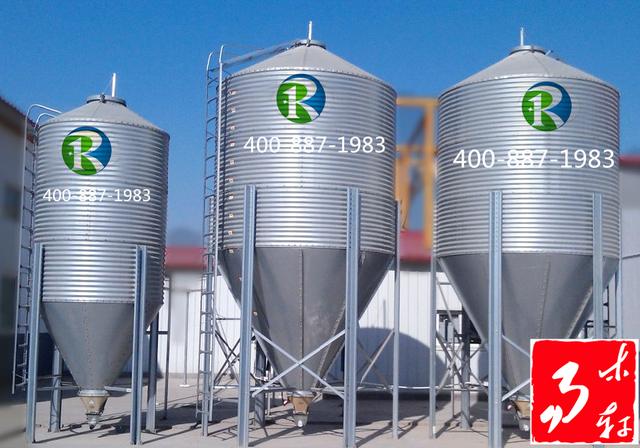
1. The dry feed model involves a large amount of feed waste
Enormous feed waste is a common phenomenon in the dry feed model. There is no need to elaborate on this point: from transport to the completion of feeding, dry feed is subject to serious spilling, leaking and breaking, and there is a large amount of waste at every stage, especially on pig farms that use free-choice feeding, where the waste is even more serious.
2. The dry feed model produces serious dust and easily causes many diseases
In the dry feeding process, especially with mash feed, dust is extremely serious and easily causes respiratory diseases. Because pigs are long-nosed animals, they easily inhale dry feed (pellet feed or mash feed) into their lungs while eating, leading to disease. This is why, under the dry feed model, many pigs cough and wheeze after eating.
3. The dry feed model has poor digestibility, low feed utilization and high environmental pressure
From a biological perspective, under the dry feed model, pigs have a low digestion rate after eating, so the feed cannot be fully utilized. It should be noted that high feed nutrition does not mean high feed nutrient utilization. Tests of pig manure show that under dry feeding, many nutrients are not absorbed, resulting in feed waste. At the same time, nutrient-rich manure also puts great pressure on environmental treatment, requiring higher costs to deal with environmental protection issues.
Now, it is a general consensus that the feed-to-meat ratio is relatively high under the dry feed model. More and more experts and farmers support the liquid feed model and liquid feeding systems. Especially today, when the drawbacks of the dry feed model are becoming prominent and the concepts of fermented feed and antibiotic-free feeding are gaining popularity, automated liquid feeding will play an important role in ecological farming and cost savings.
(For more liquid feeding systems, please search "liquid feeding" on Toutiao or follow the WeChat public account "Liquid Feed Line System")
Statement: This article is original for Toutiao and was first published on the Toutiao platform. It does not constitute guidance and is for learning and exchange only. Reproduction by any website or media is strictly prohibited, and violators will be held accountable!