Unfamiliar with mycotoxins, loss of farming profits becomes the norm
In recent years, the increase in farming productivity has inevitably brought new challenges, and the insidious, hidden threat caused by mycotoxins is one of the newly emerged challenges with broader scope and greater impact.
What are molds and mycotoxins?
1. Molds
Molds belong to fungi and are a type of multicellular microorganism. According to their pathogenicity, they are divided into infectious and toxic
two major categories. They reproduce through seeds or spores and are widely present in nature.
2. Mycotoxins
Any fungus capable of producing toxins and causing acute or chronic poisoning in humans and animals is called a toxic
pathogenic fungus. The toxic secondary metabolites produced by molds are called mycotoxins.
Common pathogenic mycotoxins
Aflatoxins
Ochratoxin
Zearalenone
Deoxynivalenol
T-2 toxin
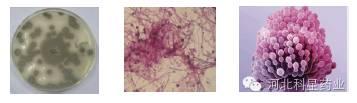
Clinical manifestations caused by several mycotoxins
1. Zearalenone
It has estrogenic properties. In laying hens and breeding hens, it causes ovarian atrophy, decreased egg production rate, and decreased fertilization rate of breeding eggs, leading to obvious signs of premature maturity in young pullets, with excessive comb development appearing from 15 days of age.
2. Vomitoxin and T-2 toxin
The clinical manifestation is enteritis, and when bacteria are present, the enteritis becomes more severe.
They mainly damage the intestinal epithelial cells, leading to cell necrosis.
They cause mucous secretions or ulcers in the oral cavity, crop, proventriculus, and gizzard, and sometimes proventricular swelling occurs.
3. Aflatoxins
Immunosuppression, decreased immunity, blocked protein synthesis, and a comprehensive decline in blood biochemical disease-resistance indicators; premature atrophy of the bursa of Fabricius in young and growing chickens; increased fat deposition in the liver, with the liver turning yellow and brittle; in chronic poisoning, the liver becomes pale and fragile, and the gallbladder becomes smaller. Microscopic observation shows vacuolation of liver cells and bile duct hyperplasia. Reduced weight gain, lower feed conversion rate, reduced egg production and lighter egg weight; affects calcium and phosphorus metabolism and utilization - leg disease; affects iron and copper metabolism and utilization; increased mortality rate.
4. Ochratoxin
The most obvious effect is severe kidney lesions, with the kidneys being pale and enlarged. The most important features of ochratoxicosis are:
(1) Poultry growth retardation and reduced feed conversion efficiency.
(2) Increased water intake and severe wet droppings.
(3) Broilers fed diets containing ochratoxin show poor pigmentation.
The harm of molds and mycotoxins
1. The widespread nature of the harm
The death of 100,000 turkeys in the UK in 1960 triggered scientists' in-depth research into the harm
of mycotoxins. At present, hundreds of mycotoxins have been discovered, and these toxins have different toxicities, metabolic pathways, and target organs
in animals. The harm caused by mycotoxins is a global
problem, present in almost all feed ingredients and human food ingredients.
Before mycotoxins are produced in large quantities, they are often not easily detected. When moldy discoloration is found, it indicates
that microbial reproduction has already entered an vigorous stage, and feed quality has already been seriously damaged. According to a survey by the Food and Agriculture Organization
of the United Nations, various grains, oilseed crops, and feeds contaminated by fungi worldwide each year account for about
10% of their total amount.
China is a country severely affected by mycotoxins, with annual losses due to mycotoxin harm reaching several billion yuan,
and the degree of harm and losses in broilers and laying (breeding) hens are unimaginable. Mycotoxins do not
have antigenicity. Feeding livestock and poultry any low-dose mycotoxin feed cannot make them produce antibodies, and
it will have a negative impact on feeding results. Low-dose mycotoxins accumulate due to long-term feeding, and with
the extension of time, explosive poisoning occurs. The mycotoxin limit standard (safe dose) in feed is not safe.
Mycotoxins in feed never exist alone. Not only do known major mycotoxins exist, but
unknown mycotoxin components also exist. When any two or more mycotoxins exist at the same time, they all play a mutually
enhancing toxic role, and their effect is even stronger than the cumulative effect of their individual negative impacts.
2. Harm to chickens
(1) Chicks grow slowly, eat slowly, and the color of legs and claws is pale and whitish, with poor pigment deposition. In the later stage, feed intake
is slow, weight gain stalls, and the feed-to-meat ratio increases sharply;
(2) Diarrhea, feed passage, ineffective use of large amounts of enteritis and coccidiosis drugs, seriously affecting feed returns;
(3) Repeated outbreaks of enteritis and coccidiosis, increased susceptibility to E. coli, dare not stop medication, and increased drug costs;
(4) Severe immunosuppression, resulting in antibodies in the body failing to reach the required titer after vaccination, and later
susceptibility to viral diseases such as atypical Newcastle disease;
(5) The flock shows liver and kidney problems, with severe cases showing mottled kidneys, and the gross appearance on necropsy resembles infectious bronchitis nephritis;
(6) The flock shows feed-sifting behavior, not daring to eat large feed pellets and only eating finer pellets and feed fines;
(7) Uneven individual size and lighter weight at slaughter;
(8) Decreased egg production in laying hens, eggshells turning white, and no effect from oviduct inflammation or antiviral drugs;
(9) Ruffled feathers and whitish claws;
(10) The flock shows water regurgitation, resembling the appearance of Newcastle disease;
(11) Stretching the neck and opening the mouth to breathe.
Conditions for mycotoxin production
1. Substrate: Toxigenic fungal strains mainly grow and produce toxins on plants such as food, grain, and forage grass, while their toxin-producing ability on animal-derived substrates such as milk and eggs
is relatively low.
2. Temperature: The growth and reproduction of molds are closely related to temperature. The optimum temperature for most is 25-30°C. Below
10°C or above 40°C, growth weakens, and toxin-producing ability is also affected.
3. Humidity: The moisture of the substrate and the humidity of the air are closely related to fungal growth, reproduction, and toxin-producing ability.
When the substrate moisture content is 17%-18%, it is the optimum condition for fungal toxin production.
Problems existing in actual livestock and poultry production
1. Widespread corn mold: In recent years, due to climatic factors, corn has repeatedly lodged during the maturity period, leading to mold in the field, and mold due to improper storage, etc.
2. In some laying hen and breeding hen farms, leaking drinkers cause the feed troughs to frequently contain wet feed; long-term intake of wet feed causes