Why isn't your plant blooming? It's actually quite simple
How can you help a plant bloom?
Gardeners often ask me why their plants won't bloom. Some plants grown together flower, while another one doesn't. If a plant looks perfectly healthy but still refuses to bloom, in most cases the situation can be improved, and here are the factors I've summed up:
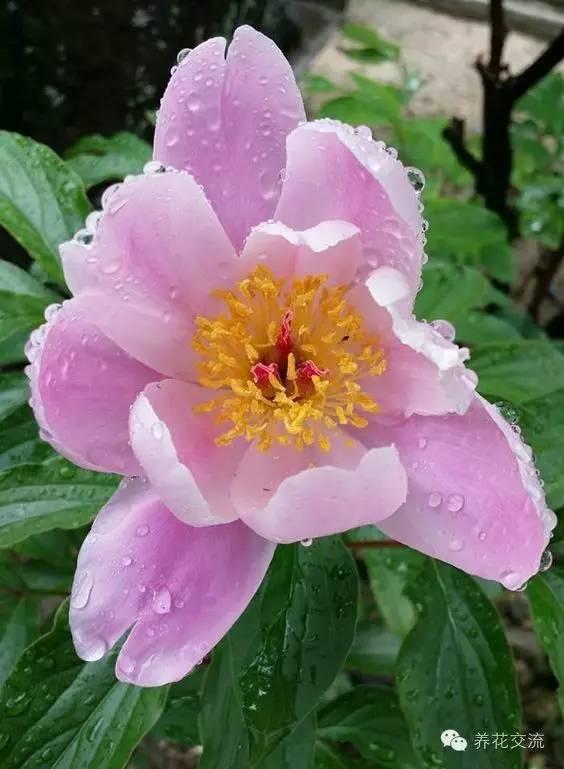
1. Not enough sunlight:
Almost all flowering plants need sunlight. The more sun, the better they bloom.
Plants like roses and Chinese roses need at least 6 hours of sunlight a day, so they can't be kept indoors.
Even shade-loving plants such as begonias, kalanchoe and African violets need about 3 hours of sunlight a day to bloom more easily.
And for foliage plants with coloured leaves, giving them a little sunlight now and then makes the leaf colour even more beautiful.
2.Usingfertiliser incorrectly:
A gardener asks:There are 3 numbers on a bag of compound fertiliser, for example 15-15-15, which indicate the nitrogen, phosphorus and potassium content, but some are labelled potassium sulphate while others have no label at all!
Answer:Compound fertilisers are divided into chlorine-containing and chlorine-free types. The potassium sulphate type indicates that the potassium in the product comes from potassium sulphate magnesium fertiliser, not potassium chloride fertiliser. Generally, potassium sulphate type compound fertilisers are chlorine-free or low-chlorine.
Generally, compound fertilisers note potassium sulphate, and also potassium nitrate; these all indicate the source of one of the nutrients.
To make plants bloom, you need to apply more phosphorus and potassium fertiliser, that is, fertiliser where the middle and last of the three nitrogen-phosphorus-potassium numbers are higher.
For example:10-30-10, or 5-20-10 and the like. If you use a high-nitrogen fertiliser, such as 30-10-10, the plant will only grow stems or leaves and be too lazy to bloom.
There is a pure phosphorus fertiliser that encourages blooming (0-20-0); gardeners know about this one.
3.Incorrectpruning:
Plants that need pruning should all be pruned within one or two months after the flowers fade. Don't wait until a season has passed to prune, as this may cut off the next season's flower buds.
For example, plants that bloom in spring should be pruned in summer; those that bloom in autumn can be pruned in early spring of the following year. After flowering you can remove the spent flowers, but don't prune blindly when you don't know how to prune!
4. Insects have eaten the flower branches
Check whether insects have eaten the new shoots or flower buds on the plant and leaves, and carefully inspect every branch. Roses, for instance, often attract aphids, or there is a kind of caterpillar that eats all the flower buds without you noticing.
You can check at irregular intervals and wash the insects away with soapy water. (To make soapy water, mix dish soap or soap with water. About 250 ml of clean water with one small tablespoon of dish soap.)
5. The plant is not yet mature
Some plants take two or three years to mature and bloom. For example, some ornamental bromeliads, and wisteria takes more than seven years to bloom. Growing flowers requires patience.
6. Mistakes in repotting
If it's a potted plant, it will temporarily stop blooming after repotting, so don't repot too frequently.
In addition, most plants only bloom when their roots are constricted (so they don't grow too comfortably), so don't move them into a much bigger pot all at once. Each time you repot, just go up one size.
7. Being too indulgent with the plant
Some flowering plants suddenly stop blooming. The reason may be that the growing environment is too good, so they feel no sense of crisis and become lazy. The buds are clearly there and there's plenty of fertiliser and water, but before they open, all the buds drop off, all because they've been spoiled too much!
(The goldfish plant in the picture above was grown too lushly, so it stopped blooming instead!)
How can you get such a goldfish plant to bloom?
Pinch off the tender, weak branches, reduce watering, and gradually expose it to light. But summer is here, so it can't be in blazing sun either! Only morning and evening light, 3 to 5 hours a day! (Don't fuss over the exact light duration.)
Plants bloom in order to set seed and reproduce. When a plant thinks it has no such duty, it will stop blooming. One way is to give the plant a fright: for example, use a garden trowel to cut vertically downward beside the plant at the fine-root area, cutting some of the fine roots and making the plant feel threatened, so it will bloom and set seed. (Don't cut too close to the main trunk, or you'll damage the main root.) I once used this method to make a peony that had stopped blooming flower again.