How to kill underground pests? Eight great control methods for you to choose from
Method one: Ground spraying
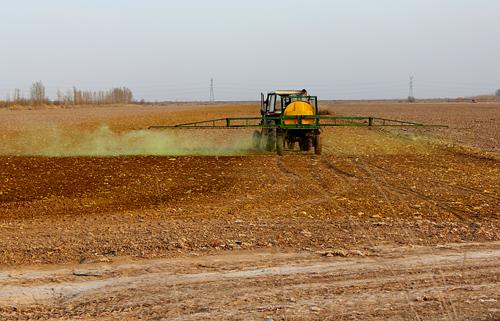
Use decis as a conventional pesticide in a new method to control cutworms. The procedure is: after finishing work in the evening, use a knapsack sprayer, using 30 barrels of clean water per hectare, adding 8 ml of 2.5% decis to each barrel of clean water, mixing it into a 2000-fold solution, stirring evenly, and spraying all over the ground. When night falls, the temperature drops, evaporation is low, and with dew covering the ground, the soil and seedlings are both in a moist state, ensuring the efficacy of the pesticide. When various cutworm larvae come out to harm the seedlings, they encounter the pesticide, and stomach poisoning, heavy fumigation, and contact killing strike together, allowing the pesticide effect to be fully exerted. All cutworm larvae are poisoned, achieving a 100% pest control effect.
Method two: Pesticide seed dressing
Pesticide seed dressing, this method is simple and convenient, and is an effective way to protect seeds and seedlings from underground pest damage, with a low dosage, thus having the least impact on the environment. Commonly used pesticides include phoxim, parathion, dimethoate, methamidophos, and others.
Method three: Deep plowing of the land, intensive and meticulous cultivation.
Deep plowing and turning the soil mainly changes the living environment of underground pests through deep plowing, exposing pests in deep soil to the surface, where they are threatened by high temperatures, low temperatures, and drought, causing death, or are preyed upon by natural enemies, reducing pest population density; intensive and meticulous cultivation has a strong mechanical killing effect on underground pests, directly causing pest death.
Method four: Irrigation to kill pests
Soil moisture can control the activity of underground pests. In plots with good water sources, as long as normal crop growth is not affected, underground pests can be controlled through irrigation. Cutworms, mole crickets, crickets, and others can all be killed through irrigation, while grubs and others will migrate deeper into the soil layer and temporarily stop causing harm.
Method five: Black light trapping and killing
The adults of cutworms, scarab beetles, and grubs have a strong tendency toward black light. According to actual conditions in each area, during the peak emergence period of adults, some black lights can be set up for trapping and killing.
Method six: Poison bait trapping and killing
① Use fried fragrant wheat bran and soybean cake to trap and kill mole crickets. Generally, in the evening on a day without rain, dig pits in the field, place poison bait, and the next morning collect the trapped pests for centralized disposal.
② Take 2.5 kg of new rapeseed cake, break it apart, put it in a pot and fry until fragrant. Put the fried rapeseed cake into a bucket, then pour trichlorfon dissolved in warm water into the bucket, cover and let stand for 3-5 minutes. In the evening, divide the poison bait into several small portions and scatter them in the field of transplanted cotton. Early the next morning, poisoned cutworm bodies can be seen.
Method seven: Broadcasting medicinal soil
Use 50% phoxim mixed with fine soil at a pesticide-to-soil ratio of 1:200, broadcast 450-500 kg of medicinal soil per hectare, broadcast it in the rows when sowing, or open furrows beside crop roots and spread the medicinal soil in, then cover with soil immediately.
Method eight: Clean the field
Weeds are the main places where underground pests hide or lay eggs. After harvesting the previous crop, weeds in the field should be removed promptly to reduce the number of overwintering larvae and pupae. During crop growth, weeds in and around the field should be removed promptly to reduce intermediate hosts for pests and destroy their egg-laying sites.
----------------------------------------------
For more agricultural information, please followLenongbaoWeChat IDID:lenongbao
The most professional agricultural materials C2B platform in China
Making farming easy for everyone!