Raising chickens is high-risk: today you're a millionaire, tomorrow you could be penniless
Raising chickens requires a large investment, and at the same time it also carries great risk. If the flock is not cared for properly, disease outbreaks easily occur. Every chicken farmer knows that once chickens get sick, the illness comes on fast, and by the time you notice it and try to use medication to control it, it is often already too late. A large number of deaths in the flock can, in a short time, leave a chicken farmer drowning in debt.
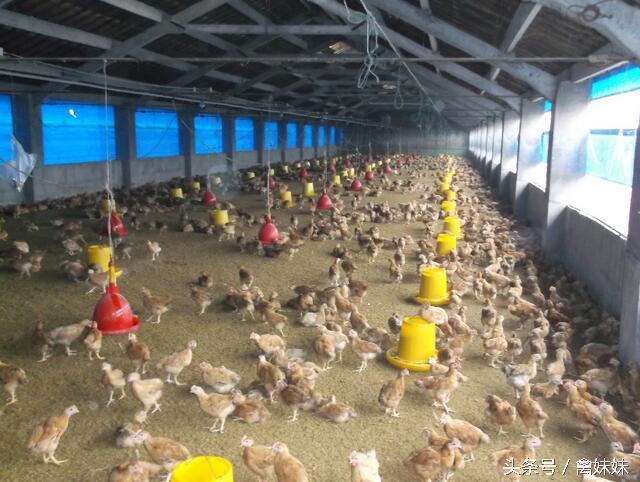
Farming requires not only care but also patience; you have to work through every step tirelessly, one link at a time, keep the flock as far as possible from harmful factors, and always maintain a mindset of preventive health care.
Purchasing chicks
Before bringing in chicks, you must understand the disease history of the breeder chickens at the hatchery. If the breeder chickens have infectious diseases, especially pullorum disease and mycoplasmosis, the chicks they hatch must not be taken. When farmers buy chicks, they generally buy a whole brooder batch at once. Remember that when purchasing chicks, you must choose a chick flock that is uniform in size and physically robust, with a good mental state and no signs of lame legs or crippled wings. Always remember one thing: strong, sturdy chicks have high disease resistance, so they are less likely to get sick and also grow faster.
Vaccination
When raising chickens, do not be afraid to spend money. Based on the local situation of poultry disease prevalence, target your efforts and develop a scientific and effective immunization program to ensure that vaccination work is carried out correctly and in an orderly manner; this can effectively reduce the occurrence of locally prevalent diseases.
Disinfection of the chicken house
Disinfecting the chicken house promptly and strictly can effectively reduce the incidence of disease in the flock, and even if the flock does get sick, it can effectively reduce complications from mixed infections. The correct disinfection method should cover every corner and crevice; the ceiling of the chicken house must also be disinfected, and the outside of the chicken house must be disinfected as well. Clean the chicken house promptly and maintain good environmental hygiene.
Ventilation of the chicken house
Poor ventilation in the chicken house allows harmful gases such as ammonia and carbon dioxide to easily trigger disease in the flock, so the chicken house must be ventilated promptly. Reminder: when ventilating the chicken house, pay attention to temperature control to prevent the temperature inside from getting too high or too low.
Follow farming, follow the WeChat public account: zhaoqinmeimei, market information, poultry disease prevention and treatment, a public account dedicated to serving farmers!