In 2016, which aquaculture and breeding projects carry the least risk and make money?
"Avian influenza" is a business opportunity rather than a disaster for far-sighted breeders. Because demand for rare poultry increases every year, while market supply is small, so prices are high,things are precious when they are rare, this is the well-known law of value. Breeders should draw inspiration from this,so in 2016, what is the most profitable in the breeding industry?
During avian influenza, do good disease prevention work, and at the same time vigorously develop special breeding, and you will reap a greater harvest.So in 2016, what is the least risky and most profitable in the breeding industry?
What is the least risky in the breeding industry
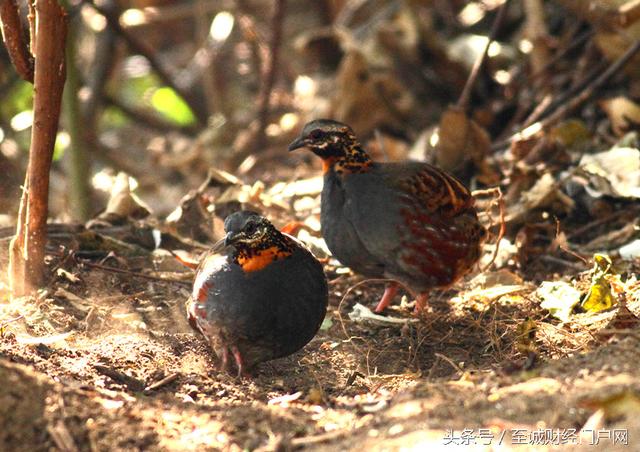
Partridge
Since China introduced it in the 1980s, it has developed rapidly. In recent years, the total number of partridges raised nationwide has exceeded 10 million, and the market has always been promising, remaining at 18-20 yuan/bird, with both production and sales booming. The annual consumption of partridges in the markets of Shanghai, Guangdong, Hong Kong, China and Macao, China can be around 100 million birds, and demand in ordinary small and medium-sized cities is also very strong. In Western Europe and Southeast Asia, supply is in short supply and sales are very brisk, and it will develop steadily in the future.
From 2010 to 2013, the partridge breeding industry once again fell into a trough, with the market price of adult partridges dropping to 5-7 yuan/bird, and chicks at 0.5-0.8 yuan/bird.Recently, the market price of adult partridges has rebounded to 10-13 yuan/bird, and chicks are 2.5-3.5 yuan/bird. Market demand is strong, and supply is short. It is expected that the market price of adult partridges may exceed 14 yuan per bird.
Blue peafowl
It is a high-grade delicacy with delicious meat, highly praised and well received by guests at home and abroad. At present, peafowl meat sells for 150-200 yuan per kilogram on the market, and it also has extremely high ornamental value. Domestic peafowl specimens sell for more than 5,000 yuan each, and the export price is as high as more than 10,000 yuan. At present, there are not many peafowl breeding enterprises in China, and the prospects for industrialized development are broad.
Silver pheasant
The silver pheasant weighs 1.1-1.6 kg, has pure white feathers, and lays about 120 eggs per year. It can be raised on a large scale. The current market price is very high, 24-30 yuan/kg. It is difficult to find breeding stock. Developing silver pheasant breeding is expected to yield substantial profits.
Meat donkey
It is understood that the price of a whole donkey hide in the domestic market has risen to more than 1,500 yuan, and the price of donkey meat has also reached more than 40 yuan per kilogram, both hitting record highs. Because of the sharp rise in donkey hide prices, demand for Ejiao has continued to increase, and in recent years Ejiao products have also frequently adjusted prices.
It is understood that, including this most recent price increase, the ex-factory price of Shandong Dong'e Ejiao has risen from 1,656 yuan per kilogram to 2,534 yuan per kilogram, with an increase of more than twofold in the past three years.
For the Ejiao industry, as consumers' health awareness improves, the rapid growth in demand for tonic and health care products brought by China's worsening aging will be a solid foundation for industrial development. In addition, the state's strong protection and support of the traditional Chinese medicine industry will make Ejiao's market prospects even broader in the future, and the prospects for the meat donkey breeding industry are unlimited.
This introduced the breeding projects that are most profitable in 2016, but farmer friends should base their decisions on market information and carefully investigate the market before making decisions. Investment must be cautious, and the breeding industry has risks!