Cassava starch soup was the most delicious soup in the countryside when I was a child. Have you ever tried it?
For this article, the editor searched for a lot of information. Unfortunately, when I was a child we did not have such good photography equipment, and very little information was preserved. This article tells you how cassava starch was made in the countryside when I was a child.
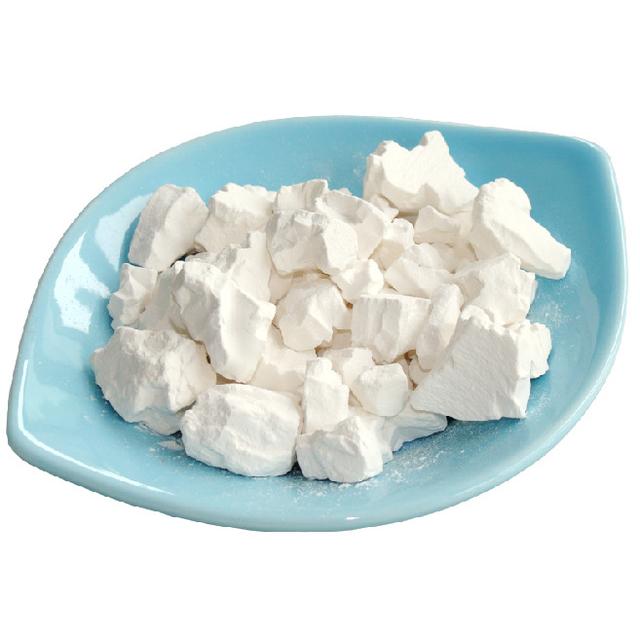
What is called cassava starch here is the name we use today. When I was a child in the countryside, there was no powdered cassava; it all came in chunks, and it was not called cassava starch. Do you still remember the cassava soup you ate? A crystallized block of dried cassava juice was broken off, put into boiling water to cook, and then some seasonings and vegetables were added, making a delicious cassava soup.
Now it is all factory production, and it is hard to see the old process of making cassava starch in the countryside anymore. When I was a child, every cassava harvest season in the countryside, some people would bring equipment to each village to press cassava juice for the villagers, and they only needed to be paid some compensation.
First, they would choose a piece of farmland, build a ditch to channel water, and dig two or three long, large pits in the lower farmland, each pit estimated at 20 cubic meters. A layer of white plastic film would be placed at the bottom of these pits to keep the pressed cassava juice from draining away. Then a large rack was set up nearby to dry the crystallized blocks of cassava juice. It had two or three levels and was four or five meters high, so a ladder was needed to climb up.
Once the machine, ditches, and rack were ready, the cassava juice pressing could begin. The workers started the machine, kept throwing cassava into it, and continuously poured stream water in. The cassava juice then flowed from the machine into the prepared pits, white and gleaming like milk. (Of course, the cassava needed to be washed clean. If it was not washed clean, the cassava juice would carry a yellow color.)
This cassava juice needed to be covered with a layer of plastic film, and then left for a few days to solidify. After it solidified, people could go down and dig out the crystallized blocks of cassava juice by hand, and then take them to the previously prepared rack to dry. The dried crystallized blocks of cassava juice were all large chunks. Farmers could sell them, and could also keep some to eat themselves.
In the editor's area there were two ways to eat it. The first: break off a piece and put it into boiling water to cook cassava soup. The cassava pieces would become transparent, smooth, elastic, and sticky. Add seasonings, and the cassava soup that came out was especially delicious. The second: this was like a snack for children, breaking off a piece and throwing it directly into the fire to roast. The cassava piece would puff up greatly, like making popcorn. You only needed to scrape off the blackened carbon ash on the outside, and it was ready to eat, very fragrant.
These are the process of making cassava starch in the countryside when I was a child, and the method for making cassava starch soup. I wonder who else remembers? Because none of this exists now; it remains only in the memories of rural children.