China's GMO push will make breakthroughs in these 3 crops. Are you willing to grow them?
On August 8, the "13th Five-Year Plan for National Science and Technology Innovation" (hereinafter referred to as the "Plan") was officially released. Among the 13 key science and technology innovation projects encouraged, genetically modified organisms (GMOs) were prominently included.Among them, 3 crops have been listed as key targets for China's GMO technology breakthroughs.What role will GMOs play in China's future agriculture? Which 3 crops will become key targets? Let us take you through them below.
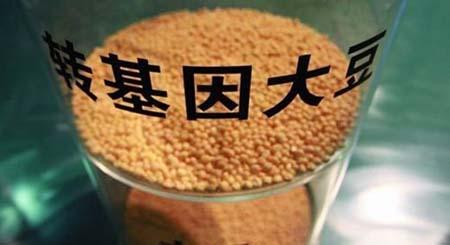
An in-depth investigation by reporters found that as early as the "12th Five-Year Plan for National Science and Technology Development" released in 2011, the government began supporting the cultivation of new GMO varieties. Unlike the previous plan, this "Plan" five years later significantly increased support for GMO research:On the basis of the previously supported new types of genetically modified cotton and corn, support for soybean was added,and the new types of genetically modified crops to be promoted were specified: insect-resistant cotton, insect-resistant corn, herbicide-resistant soybean, etc., with more specific and clearer content.
Below is a comparison of the original text on this content in the two "Plans."
"12th Five-Year Plan for National Science and Technology Development": In response to the strategic needs of ensuring food security and developing the biological breeding industry, focusing on the production of major crops and livestock, make breakthroughs in key technologies such as gene cloning and functional verification, large-scale genetic modification, and biosafety, improve the GMO cultivation and safety evaluation system, obtain a batch of functional genes with important application value and independent intellectual property rights, cultivate a batch of major new GMO varieties that are pest-resistant, stress-resistant, high-quality, high-yield, and efficient, achieve industrialization of new varieties such as genetically modified cotton and high-quality corn, comprehensively raise China's biological breeding level, enhance the capacity for independent innovation in agricultural science and technology, and promote increased agricultural efficiency and farmers' income.
"13th Five-Year Plan for National Science and Technology Innovation":Strengthen research on gene technologies for crop insect resistance, disease resistance, drought resistance, and cold resistance, increase R&D efforts on genetically modified cotton, corn, and soybean, promote the industrialization of major products such as new types of insect-resistant cotton, insect-resistant corn, and herbicide-resistant soybean, strengthen R&D on new technologies for gene cloning, genetic modification operations, and biosafety, and in staple grain crops such as rice and wheat, focus on supporting trait improvement research based on new technologies such as non-endosperm-specific expression and gene editing, so that China's overall level of agricultural GMO research leaps to the forefront of the world and provides variety and technical reserves for safeguarding national food security. Establish a standardized biosafety evaluation technology system to ensure the safety of GMO products.
What do the changes between the two "Plans" mean?
It is understood that soybean, cotton, and corn are the crops with the largest GMO cultivation area in the world. The United States is the country that has adopted GMO technology the most. Since gene modification technology was actually put into agricultural production in the early 1990s, 55% of soybeans, 45% of cotton, and 40% of corn in the annual output of U.S. agricultural products have gradually been converted to production through gene modification. As a major country with 1.3 billion people, China has a large population and limited land, and the environmental and resource constraints facing agricultural development are becoming increasingly severe, so researching GMOs as a technological reserve is understandable. If China does not want to be at the mercy of others in the agricultural market for a long time, it must step up research on GMO biotechnology. Viewed this way, the introduction of the "Plan" still has positive factors.
However, the food safety of GMO foods remains an issue of public concern.In April this year, Liao Xiyuan, Director of the Department of Science, Technology and Education of the Ministry of Agriculture, stated at a press conference that the industrialization of GMO crops will follow the roadmap of non-food use -> indirect food use
-> food use. First, develop non-food industrial crops, then feed crops and processing raw material crops, then general food crops, and finally staple grain crops. Reporters noted that in the science and technology "Plan" during the "12th Five-Year Plan" period, the cotton focused on for development was a non-food crop, and corn was mostly used for feed, which can be regarded as an indirect food crop. Viewed this way, the soybean added in the "13th Five-Year Plan" science and technology "Plan" is a food crop. Does this mean that China's roadmap for advancing the industrialization of GMO crops has already reached the last two steps of indirect food use -> food use? Will it further advance to staple grain crops in the future? This deserves our close attention.
In addition, on the path to commercialization of GMO agricultural products, protecting consumers' right to know and right to choose is particularly important. At the end of last month, U.S. President Obama signed a bill mandating labeling of GMO foods. According to the bill's requirements, food producers must label GMO ingredients in their products and may independently choose the labeling format. At present, the available labeling formats includea website address, telephone number, QR code, and symbols or text that comply with U.S. Department of Agriculture standards.Industry analysts say that when promoting GMO products, China should also respect and protect consumers' rights and interests.