Want to open a tea shop? Yunnan Rongchang Pu'er leads a new business model
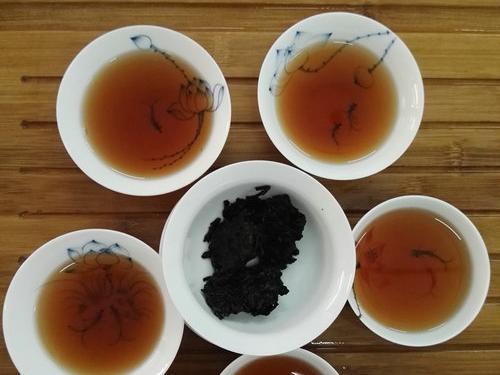
The business approach of a new type of tea shop: in commercial operations, popularity comes first.
So-called popularity means paying attention to the commercial atmosphere of the shop's location. This commercial atmosphere must be specific to tea as a particular product and cannot simply be equated with ordinary commodity retail.
There are several considerations for choosing a tea shop location: for example, a bustling commercial center, an entertainment street, near hotels and restaurants, or a tea shop franchise in a residential area. Different locations target different customers, and the product range must also differ accordingly. For example, in a busy commercial district, customers pay more attention to brand. At the same time, related health foods and specialty products should be provided as a complement. In residential areas, the key consideration for tea is that it is a daily necessity for residents' consumption, but for residents of different levels, the operating style of the tea shop must also differ, adapting to consumers of different levels. He believes the tea varieties in the shop should be three-dimensional, for example, on the basis of category, dividing into different functional series.
Tea is a special commodity; besides being drunk for health, it also carries cultural connotations.
Therefore, running a tea business requires mastering extensive tea knowledge. Besides the origin, types, processing, tasting and appreciation of tea, one must also have a certain knowledge of tea utensils and tea culture, so as to be highly convincing about the products being sold and their prices. When communicating, one must first analyze the characteristics and needs of the tea drinker.
Tea is a highly regional product, and its quality is affected by many factors such as geography, climate, harvesting and processing, and storage. So under traditional production techniques, the quality and taste of tea involve great uncertainty, which also creates the fact that "tea differs every ten li." And what about tea culture? In worldly terms, many tea rituals, tea offerings, tea arts and so on have different forms of expression in different places, and people in different places have inherited their ancestors' customs regarding tea and their drinking habits regarding tea.
It is precisely because from tea products to tea culture to tea consumer groups are subject to one restriction or another that for thousands of years Chinese tea has always presented itself as regional tea. Regional characteristics determine the characteristics of the tea and also overshadow the splendor of tea brands. Precisely because of this, the awkward situation has arisen in which China has famous teas but no famous branded tea. Those who make tea make tea by watching the sky, constrained by heaven; those who sell tea choose tea by locality, constrained by place; those who drink tea judge the quality of tea by relationships, constrained by people. This system is divided, scattered, and unsystematic.
What Rongchang Pu'er wants to do is: guide tea drinking toward the concept of health preservation. Use tea to drive the collective consumption habits of surrounding health foods, influenced by this environment. This requires joining forces from a market perspective. Through tea shop differentiation, influence the tea environment, so that Rongchang Pu'er tea is not merely a representative of tea but more a symbol of trust and care.