Illustrated Guide to Skewer Hot Pot Ingredients: A Detailed Explanation of Spices, Part Two
A high-quality skewer hot pot should be complete in color, aroma, and taste. How can such skewer hot pot be made? The spices used are crucial. More than a dozen spices are used in skewer hot pot ingredients. This article provides a detailed explanation of the spices used in making skewer hot pot:
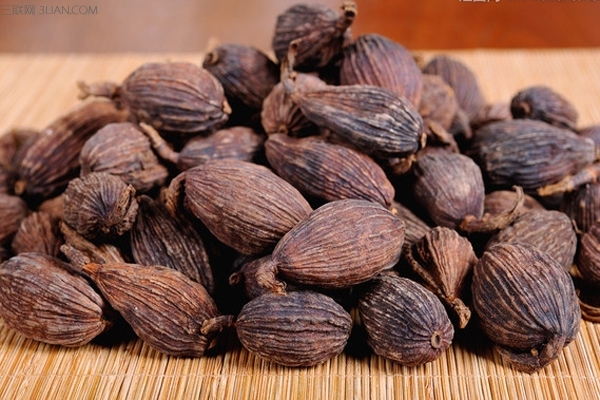
I. Caoguo (Tsaoko Cardamom)
The fruit of a plant of the ginger family, Amomum tsaoko. It tastes strange and unpleasant. Its medicinal nature is warm and its flavor is pungent. It has the effects of drying dampness and strengthening the spleen, eliminating phlegm and warming the middle, expelling cold, and resisting malaria. In cooking, it can be cracked or used whole. When used as a spice and braised or stewed with beef, its flavor is especially good. Caoguo should not be used too much in skewer hot pot or braising liquid; 3 to 5 pieces is more appropriate.
II. Fennel
Also called fennel, xiangsi cai, huaixiang, or wild fennel. It is cultivated in most regions across the country and is familiar to people. Its fresh stems and leaves are commonly used in cooking to make fennel broad beans, fennel-filled dumplings, and so on. Its mature fruit resembles small grains of rice or cumin and has a distinctive fragrance. Used as a spice, it is widely used in red-braising, braising liquid, spicy hot pot, and skewer hot pot. In skewer hot pot, the amount can be appropriately increased, such as 10 to 20 grams or a bit more. Medicinally, its nature and flavor are pungent and warm, and it has the effects of promoting qi and relieving pain, strengthening the stomach, and dispelling cold.
III. Star Anise
It should be called star anise, also known as large fennel, daliao, or bayuezhu. This is a spice people are relatively familiar with. Its characteristics are that it smells fragrant and tastes slightly sweet. Its nature and flavor are pungent and warm, and it has the effects of warming the middle and stimulating the appetite, dispelling cold, and treating hernia. In cooking, whether for hot pot, red-braising, or skewer hot pot, it can be used. Because some people like its fragrance and some dislike it, its use is relatively flexible, with 5 to 10 grams being appropriate.
IV. Clove
Also called gongdingxiang or zidingxiang, it is the flower bud of clove. In cooking, the dried product is commonly used. It has a strong fragrance and tastes pungent and numbing on the tongue. Its nature and flavor are pungent and warm, and it has the effects of warming the stomach, stopping hiccups, dispelling wind, and relieving pain. In cooking, the amount used should be within 1 to 2 grams; by no means should too much be used.
V. White Cardamom
Also called white cardamom or round cardamom. In markets or pharmacies, it is sometimes written as baikou or kouren. It tastes astringent in the mouth. Because its medicinal nature and flavor are pungent and warm, it has the effects of promoting qi and regulating qi, warming the stomach and aiding digestion, resolving dampness and stopping vomiting, and relieving alcohol toxicity. Adding 3 to 5 grams in skewer hot pot is sufficient. Because its fragrance is excellent, the amount used is small.
VI. Angelica Dahurica
The root of Angelica dahurica contains Byak-angelicin, Byak-angelicol, Oxypencedanin, Phellopterin, and an organic acid similar to Angelic acid. In addition, it also contains Angelicotoxin. It has the effects of dispelling wind, dispelling cold, drying dampness, and relieving pain. Angelica dahurica is pungent in flavor and warm in nature; it enters the lung, stomach, and large intestine meridians; it is aromatic and dispersing; it has the effects of dispelling wind and releasing the exterior, dispersing cold and relieving pain, removing dampness and opening the orifices, reducing swelling, and discharging pus; it can also be used as a spice.
This article was compiled and published by the Casserole Skewer Hot Pot Franchise Network. Please retain when reprinting: http://www.lmccx.com/show-25-332-1.html