Do you know which 5 dishes in Gannan are the most cultural?
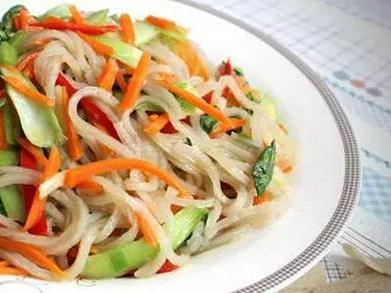
Gannan Hakka food culture has inherited the essence of the food culture of the Central Plains from the Han and Tang dynasties. Based on regional food culture, after a thousand years of development and innovation, it has gained distinct characteristics, rich connotations and endless charm. It has been called by the China Cuisine Association "one of the birthplaces of Hakka food culture" and has become a wonderful flower in the hundred-flower garden of Chinese food culture. But do you know their "rise to fame" stories? The delicious food in the stories, and the stories in the delicious food, reveal the wisdom of the people of Gannan.
▼Gannan Xiaochao Fish When Wang Shouren served as governor in Ganzhou, he once hired Cook Ling to prepare meals. Ling learned that Wang loved fish, and in order to show off his cooking skills, he often varied the methods and flavors of fish, winning Wang's deep appreciation. Once, Ling added vinegar when frying fish, creating a distinctive flavor. After eating it, Wang was very happy and called Ling over to ask what the dish was called. Ling had a quick idea, thinking that this was fish fried with xiaojiu (Ganzhou custom calls vinegar xiaojiu), so he blurted out: "Xiaochao Fish," and the dish got its name because of this.
▼Nankang Hebao Zuo It is said that during the Qianlong reign, after Dai Quheng, a native of Dayu, passed the imperial examination as zhuangyuan, he held a grand banquet to thank neighbors from all around. Because they paid attention to the grandeur of a "zhuangyuan" banquet, the cooks used local lotus leaves to wrap prepared pork into the shape of a "zhuangyuan hat." After steaming, it became a dish with a pale yellow color, pure aroma, fatty but not greasy, and sweet but not cloying.
▼Ningdu Three-Cup Chicken Legend says that in the late Southern Song dynasty, national hero Wen Tianxiang was captured for resisting the Yuan and imprisoned in Ningdu. An old woman in her 70s locally admired Wen Tianxiang, so she brought the only old hen in her home and a pot of wine, risking death to visit him in prison. With the help of the jailer, she simply found an earthenware bowl, put the chicken pieces in the bowl, poured in a cup of rice wine, added a little salt, and simmered it over low heat. Soon, when the lid was lifted, the chicken was tender and falling apart, and the fragrance filled the air.
Wen Tianxiang drank wine and ate the chicken, was deeply moved, and sang passionately and sorrowfully. Now, the hero is long gone, but the legend is still passed down from generation to generation. "Three-Cup Chicken" has also become a famous dish because of its reddish color and tender, pleasant texture, widely praised.
▼Nankang Chili Sauce Nankang chili sauce was first created in the late Ming and early Qing dynasties and has a production and sales history of more than 300 years so far. At first, this product was homemade and eaten by the people, and the processing method was also relatively simple. Later, through continuous improvement and enhancement, it became a delicious "salty chili sauce" and spread widely within and outside the county. However, because it was mostly made at home, only a small amount of salty chili sauce was taken to the market for sale.
By the middle of the Qing dynasty, the "Sanyuanzhai Sauce Garden" in Nankang County summarized and improved the folk craft according to the conditions of the sauce garden and carried out commercial production. By the end of the Qing dynasty, the product had already been sold to Ganzhou, Nan'an and other places. Later, Sanyuanzhai closed, and the "Defuzhai" sauce garden continued to produce this product.
▼Anyuan Fake Bird's Nest Dish
Legend says that during the Wu Zhou period, Empress Wu Zetian visited Xianju Palace in Luoyang to inspect the carving of the giant Lushena Buddha at Longmen (said to be modeled on Wu Zetian's appearance). It happened that a very large white radish grew in Xiayuan Village east of the city gate. It was three chi long, green on top and white below, and weighed more than 30 jin. The vegetable farmer regarded it as a wonder, and the common people regarded it as an "auspicious sign" and respectfully presented it to the palace.
The imperial cooks knew that radish could not make any really good dish, but they were overawed by the empress's majesty and had no choice but to obey. They pondered repeatedly and prepared the radish with rare delicacies from mountains and seas into a soup dish that still retained the flavor of imperial cuisine. After tasting it, the empress praised it as clear, mellow and refreshing, and refreshing to the heart. Seeing that its shape closely resembled shredded bird's nest, she immediately bestowed on it the name "Fake Bird's Nest Dish."
Have you eaten all of the above great foods? Do you think their cultural heritage is truly among the deeper ones in Gannan cuisine? Which dish from your hometown also has a deep cultural heritage? Why not write it below in the comments and let everyone discuss it together!