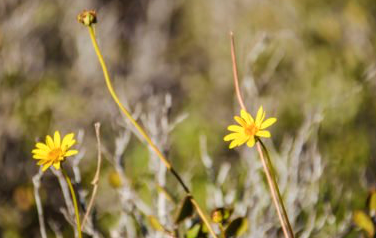
What Does a Desert Sunflower Look Like? Planting Methods and Precautions Explained
The hairy desert sunflower has been labeled with a rather unattractive name, but the yellow, daisy-like flowers with bright orange centers are anything but dull. They are actually named for their hairy green-gray leaves. Interested in learning more about this tough desert plant? Want to learn how to grow desert sunflowers? (It is easy!) Keep reading for more desert sunflower information.
Desert Sunflower Information
The hairy desert sunflower (Geraea canescens) is common in the southwestern United States and northern Mexico. This robust wildflower is happiest in sandy or gravelly desert conditions.
Also known as desert gold, desert sunflower plants generally bloom in January and February, with sporadic reappearances in October and November. They are the first annual wildflowers to bloom in spring.
As the name suggests, the hairy desert sunflower is a close relative of the tall garden sunflowers we all know and love. It reaches a height of up to 30 inches (76 cm). The plant is an important pollinator. Interestingly, it attracts a specific type of bee that depends entirely on the pollen of desert sunflower plants. The bees leave the protection of their underground burrows just in time to take advantage of the early spring flowers.
How to Grow Desert Sunflowers
There really is not much to growing desert sunflowers. Simply plant the seeds and keep the soil moist until they sprout. Late autumn is the best time to plant desert sunflowers.
The hairy desert sunflower needs full sun and, as mentioned above, they prefer poor, dry, gravelly or sandy soil.
Once established, desert sunflower care is minimal, as the plant needs very little water but does benefit from occasional watering during the hot summer.
Desert sunflower plants do not need fertilizer. Wildflowers generally do not survive in soil that is too fertile. Like most wildflowers, desert sunflower plants usually reseed themselves if conditions are right.