What are the advantages and disadvantages of mulched corn cultivation
In the southwestern region, because the rainy season and the hot season do not coincide and accumulated temperature is insufficient, farmers face a shortage of rainfall in the early stage of corn planting, or soil temperatures are too low for corn seeds to germinate normally, resulting in rotted or dried seeds. In the later stage, insufficient accumulated temperature in some areas prevents corn from maturing normally, creating major obstacles for corn production.
For this reason, agricultural science and technology workers introduced plastic film mulching cultivation technology. Mulching cultivation can raise soil temperature and maintain soil moisture. During the early stage of corn growth, mulching can effectively raise soil temperature by 3-7°C, ensuring normal corn emergence. In the later stage, the plastic film can retain soil moisture, improve drought resistance, and at the same time increase accumulated temperature, ensuring normal maturation of corn in some mountainous areas. It can be said that plastic film mulching cultivation technology has brought tremendous progress to corn cultivation in the cold and cool mountainous areas of the southwest, and it has also been called the "food and clothing project" for mountain farmers to escape poverty and become prosperous.
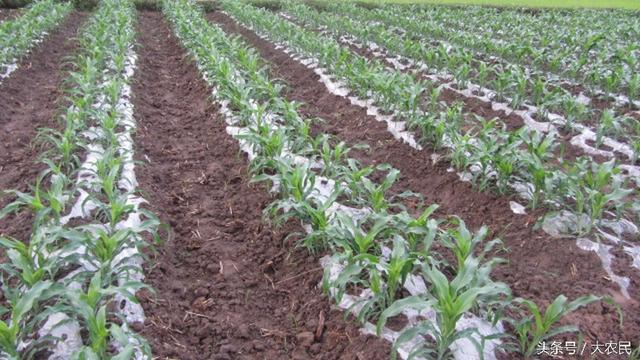
However, plastic film mulching has also brought enormous pollution to the farmland ecological environment, namely residual plastic film. Agricultural plastic film is difficult to degrade under natural conditions, and residual film inhibits the growth of soil microorganisms, destroys the physical and chemical structure of the soil, affects the normal growth and development of crops, and brings losses to agriculture.
1. Difficult to degrade, destroys soil structure
At present, the agricultural plastic film widely used is made of polyethylene material, which is difficult to decompose and can remain in the soil for as long as several hundred years. Residual film in farmland is highly destructive to the formation of good soil physical structure, inhibits the growth of soil microorganisms, and has a major impact on the formation of good soil physical and chemical properties. Because of the presence of large amounts of residual agricultural film, the original structure of the soil is destroyed, and the soil loses its water- and fertilizer-retaining properties. In severe cases, it can cause serious consequences such as difficulty for groundwater to infiltrate and secondary salinization of the soil, resulting in reduced crop yields.
2. Residual agricultural film seriously hinders the growth and development of crops
Due to changes in soil structure and a decline in soil fertility, crop root growth and development become difficult, affecting the normal absorption of nutrients and water. This is mainly manifested in difficult seed germination, weak growth vigor, weak stress resistance, low yield, and poor quality. At the same time, the presence of residual film causes uneven irrigation and nutrition, affecting the normal absorption and growth of crops.
3. Harm to animal husbandry
Residual film in farmland lacks centralized and unified disposal, remains for a long time in the agricultural production environment and rural living environment, and mixes with various forage grasses, causing livestock to ingest it by mistake, leading to digestive tract diseases and even death, bringing losses to breeders.
4. Residual film pollutes the rural living environment
Residual film in farmland is difficult to decompose and remains for a long time in the living environment. In addition, rural areas do not carry out specialized disposal of residual film, so the residual plastic film causes serious visual pollution to the rural production and living environment and greatly hinders the advancement of the construction of a new socialist countryside. At the same time, the partial decomposition of residual film produces toxic substances and heavy metals that seep into groundwater, posing a threat to the safety of rural production and domestic water use.
At present, the amount of residual film in farmland in China is high, and the fundamental reasons for its daily increase are that it is not easily degradable, recovery costs are high, and annual recovery volume is small.
Degradable film begins to degrade after about 30 days, so it cannot play a role in heat preservation and moisture conservation.
Although the state is working hard to promote biodegradable film in some places, on the one hand, biodegradable film is costly, and the comparative benefit of growing corn itself is low, so farmers are unwilling to use it when plastic film costs increase. On the other hand, degradable film shows premature degradation in production and cannot play a role in heat preservation, moisture conservation, and increasing effective accumulated temperature, so farmers are also unwilling to use it.
If you like this article, please share it widely. If reprinted, please indicate the source.