Why do the fruits and vegetables grown by gardening enthusiasts bloom but fail to bear fruit?
A question that comes up often is why the fruit trees I grow, or tomatoes, beans and the like, produce lots of flowers but no fruit.
Take cucumbers, for example: only female flowers produce cucumbers, while male flowers cannot bear fruit, and they need small animals or the gardener to pollinate them.
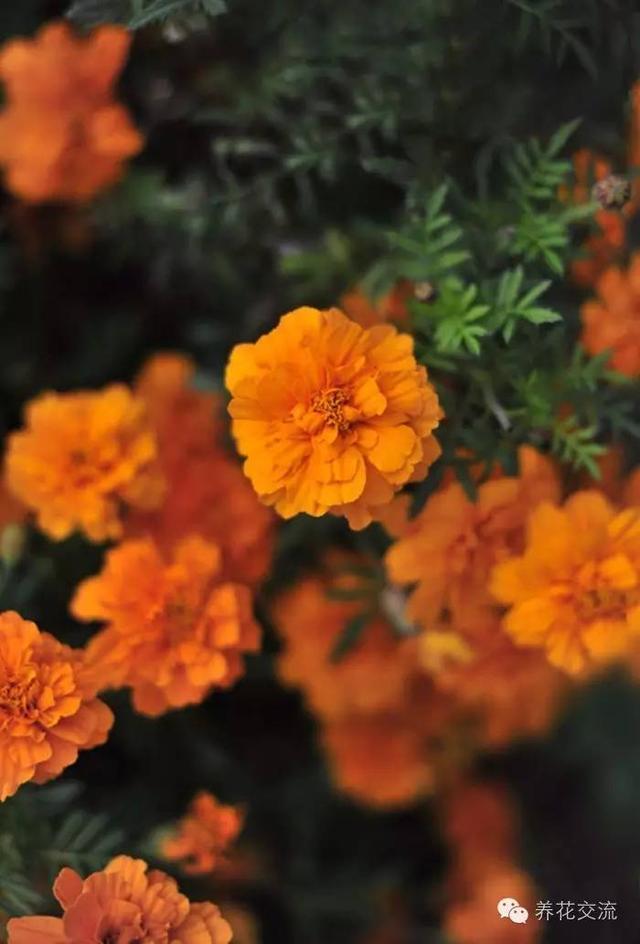
If we analyze this for gardening enthusiasts, the first cause that comes to mind is certainly the lack of bee pollination, because the flowers of most plants are divided into female flowers and male flowers, and without pollination by bees or other insects and birds, no fruit will form.
I. Pollination by small animals
1. Bee pollination:
Therefore, anyone growing fruit trees or vegetables needs bees; without bees, humans might soon run out of food.
I have said many times that if you do not see many bees in the yard, you need to pollinate by hand yourself.
2. How to pollinate by hand
The pollination method is not difficult: use a clean small brush (for example, an unused watercolor brush) and lightly sweep it over each flower, and in this way the pollen from one flower is transferred to another flower. The situation is as simple as a butterfly or bird pausing on each flower.
If there are no pollinating insects, not only will no fruit form after flowering, but the flowers will also drop. This is the wonder of nature.
3. Attracting insects
So every plant tries its best to attract visits from birds and insects (some birds come to eat the fruit when it ripens), by growing brightly colored flowers, or by using nectar or fragrance to attract them. Of course, I have also heard that some flowers need to attract flies, so they give off a rotting smell.
4. Self-pollination
But there are exceptions to everything; some fruit trees pollinate themselves, including: apricot, peach, nectarine, sour cherry, and some plums as well. The flowers of these plants have male and female parts on the same plant, and the pollen mixes easily by itself; some rely on natural wind pollination, such as pine trees.
(Passionflower)
Most other fruit trees and fruit-bearing vegetables, however, need pollination, especially apples, pears, most plum varieties, cherries, strawberries and so on. (So when buying a plum tree, you should first find out whether the variety needs insect pollination.)
(Strawberry)
But even plants that pollinate naturally still need bees and insects to give them a helping hand. For example, tomatoes also have female and male flowers growing together, but if there is no wind and the plant stays still all day, the two kinds of pollen will not mix. So occasionally shaking the plant helps too.
So those who like growing fruit trees would do best to also plant some flowers that attract bees and butterflies, so that bees, butterflies, birds and insects are often present in the yard.
II. Other possible reasons for not bearing fruit:
1. Natural regulation:
If only some of the flowers on a fruit tree drop, it may be the tree's natural regulation. Because each tree has limited nutrients, when the number of flowers is too great, some flowers will naturally drop so as not to be overloaded. This too is the wonder of nature.
(Watermelon)
Many plants show this phenomenon, mostly from late June to early July (depending on the climate and coldness of each place), which is the period when they have just flowered but have not yet begun to set fruit. This also happens with beans, tomatoes and so on.
Sometimes the plant regulates again after setting fruit; for example, a fruit tree will automatically drop some smaller fruits so as not to be overloaded by too many fruits. Apple trees are the most obvious among them; you often see many small apples dropped under apple trees, and this is the reason.
2. Proper thinning of fruit
In fact, if the fruit tree does not regulate itself, we still have to help it regulate. When the fruit has just set, occasionally remove some of the smaller fruits; this is called fruit thinning (only fruit growers know about this; gardening enthusiasts rarely know of it).
Otherwise, in the future it will bear a lot of fruit, but all of them too small. Many fruit trees such as cherries, peaches and apples need this done.
(Raspberry)
If there is no fruit thinning, the consequence may be too many smaller apples, or too much fruit may break a side branch, or too much fruit in that year may mean no fruit the next year or even the year after.
(Be careful when thinning fruit on fruit trees, and you must pay attention to safety. You can also plant one more tree so that there is a good harvest in alternate years.)
III. Effect of temperature:
Too high a temperature after flowering can also be a factor. This happens more easily with vegetables, such as beans, tomatoes, peppers and so on. When the temperature rises to near 30°C or above for a long time, flowers will drop, or buds will drop, or there will be only flowers and no fruit.
(Blueberry)
The reason is the stress the plant suffers; it cannot hold out, and in order to protect itself it sacrifices the lesser to save the greater. These are all phenomena of natural regulation. This becomes even more serious when it is excessively humid.
In addition, when the nighttime temperature is too high, it even more affects fruit development. Because after pollen is transferred, a suitable temperature (low temperature) is needed for the two kinds of pollen to combine and develop fruit.
(Knowing these things, you will understand the many difficulties farmers encounter every day.)
IV. Too much fertilizer:
Maintaining proper nutrients and reducing stress on the plant will naturally help the plant flower and bear fruit. But if too much fertilizer is applied, or the wrong fertilizer is applied, it will also affect flowering and fruiting.
(Mulberry)
The most obvious mistake among these is applying too much nitrogen fertilizer, because nitrogen fertilizer is generally used to promote the growth of branches and stems. When the plant receives the signal to promote branch and stem growth, it naturally reduces the drive to flower and bear fruit. So either do not fertilize, or apply more phosphorus and potassium fertilizer; best of all is to apply a fertilizer with balanced nitrogen, phosphorus and potassium.
(Raspberry)
On the other hand, fertilizing must not be excessive; with too much fertilizer, plants become lazy. You should know that the main purpose of a plant's survival is reproduction. When a plant feels a sense of crisis, it will reproduce in large numbers in order to continue its life. When a plant is too comfortable and lacks a sense of crisis, it sometimes loses the drive to reproduce.
Many times, if enough organic soil has been added, such as compost soil and manure, there is even no need to fertilize further.
V. Too much water or lack of water:
The thing plants fear most is soil that is always wet, that is, watering again before the soil surface has dried. This has many disadvantages; the most serious is causing root rot and the death of the plant.
Second, if the soil is always wet, the plant cannot absorb the proper nutrients from the soil, and even if it flowers, it cannot bear fruit.
Vegetables and fruit trees both fear lack of water, and the plant will feel severe stress. Just like the excessive heat mentioned earlier, in order to keep the plant alive, it simply gives up bearing fruit.
So you should keep the soil moisture appropriate, do not water excessively, and do not go a long time without watering. One method is to add some mulch on the soil surface to keep moisture from disappearing.
VI. Not enough sunlight:
Fruit trees and vegetables both need full sunlight, at least six hours a day, and even more in colder and rainier regions. (Flowering plants such as roses are the same.) Without sunlight, flowering will be unsatisfactory, and fruiting after flowering will also be affected.
VII. Pests and diseases:
This is obvious: if mold appears, or a virus common to fruit trees, flowering or fruiting will naturally stop. And when there are insects, flowering or fruiting will also be affected.
Make growing flowers more fun and simpler! Follow the WeChat public account: Yanghua Jiaoliu [yanghuajiaoliu]
This article is original by the author of the Toutiao account. Without authorization, it may not be reproduced.