What Does Ecological Farming Mean? A Comprehensive Guide to Ecological Farming
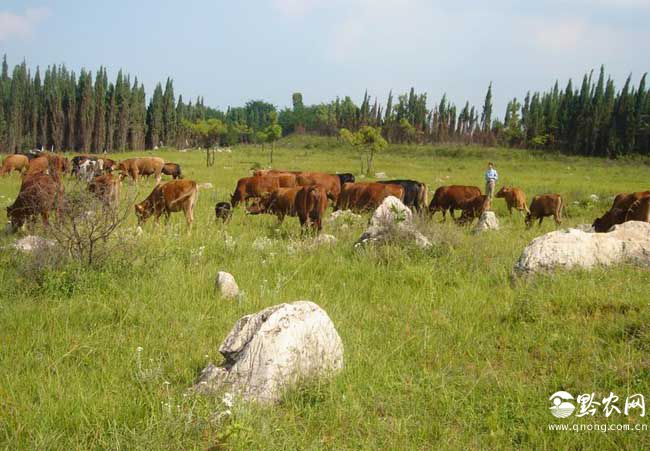
Ecological farming makes use of uncontaminated waters such as lakes, reservoirs, rivers and natural bait, or applies ecological technical measures to improve farming water quality and the ecological environment, carrying out propagation and farming according to specific farming models, putting in pollution-free feed, and applying no fertilizer or pesticides. The goal is to produce pollution-free green food and organic food. Because of their high quality and good taste, livestock and poultry products from ecological farming are highly popular with consumers, and demand exceeds supply.
What Is Ecological Farming?
So-called ecological farming refers to the use of ecological principles to protect the biodiversity and stability of waters and to make rational use of multiple resources, so as to achieve the best ecological and economic benefits.
Ecological farming is a production model strongly advocated in China's rural areas. Its greatest feature is that, within a limited space, different groups of animals are artificially linked together through feed as a bond, forming a circular chain, with the aim of maximizing the use of resources, reducing waste and lowering costs. It makes use of uncontaminated waters such as lakes, reservoirs, rivers and natural bait, or applies ecological technical measures to improve farming water quality and the ecological environment, carrying out propagation and farming according to specific farming models, putting in pollution-free feed, and applying no fertilizer or pesticides. The goal is to produce pollution-free green food and organic food.
Compared with intensive, factory-style farming methods, ecological farming lets livestock and poultry grow naturally in a natural ecological environment according to their own original patterns of growth and development, rather than artificially creating a growth environment and using growth promoters to make them grow rapidly in violation of their own original patterns of growth and development. For example, free-range livestock and poultry raised in small numbers by individual rural households without full-price compound feed are ecological farming.
As people's living standards continue to rise, livestock and poultry products produced by intensive, factory-style farming methods, with their relatively poor quality and taste, can no longer satisfy the growing consumer demand of the broad masses of consumers, while the free-range ecological livestock and poultry raised in small numbers by individual rural households without full-price compound feed cannot satisfy consumers' demand for ecological livestock and poultry products either, because of their low output and small numbers. Thus modern ecological farming has emerged.
What Are the Purposes of Ecological Farming?
Adopting intensive, factory-style farming methods can make full use of farming space and raise large numbers of livestock and poultry for market in a relatively short time, meeting the market's quantitative demand for livestock and poultry products and thereby achieving relatively high economic benefits. However, because these livestock and poultry live in artificial environments and eat compound feed with growth promoters added, their products, despite fast growth and high output, are relatively poor in both quality and taste. In contrast, free-range livestock and poultry raised in small numbers by individual rural households without full-price compound feed grow naturally in a natural ecological environment, so they grow slowly and have low output, and their economic benefits are therefore relatively low; yet their product quality and taste are superior to those of livestock and poultry raised by intensive, factory-style farming methods. As people's living standards continue to rise, livestock and poultry products produced by intensive, factory-style farming methods, with their relatively poor quality and taste, can no longer satisfy the growing consumer demand of the broad masses of consumers.