What are the common types of ecological agriculture models?
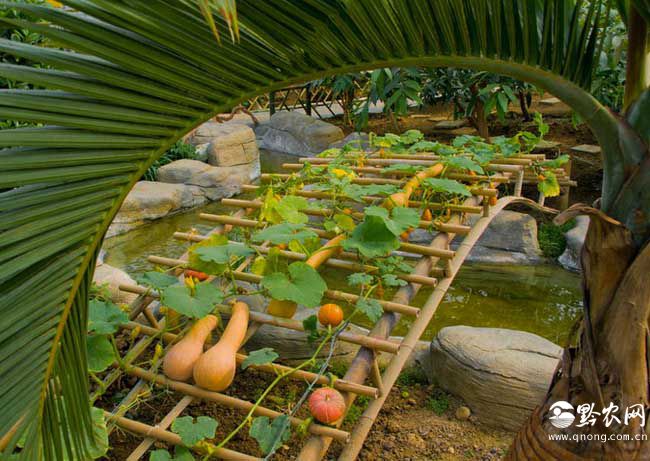
What ecological agriculture models are there? An ecological agriculture model is an agricultural ecosystem with optimized structure and function, formed in agricultural production practice that balances the economic, social and ecological benefits of agriculture. To further promote the development of ecological agriculture, in 2002 the Ministry of Agriculture solicited 370 ecological agriculture models or technical systems from across the country. Through repeated expert discussions, ten representative types of ecological models that had undergone a certain degree of practical testing were selected, and these ten major types of ecological models were officially designated as key tasks of the Ministry of Agriculture for promotion in the period ahead.
The ten major models of ecological agriculture
1. The northern “four-in-one” ecological model and supporting technologies.
2. The southern “pig--biogas--fruit” ecological model and supporting technologies.
3. The plains agro-forestry-livestock composite ecological model and supporting technologies.
4. The grassland ecological restoration and sustainable utilization ecological model and supporting technologies.
5. The ecological planting model and supporting technologies.
6. The ecological livestock production model and supporting technologies.
7. The ecological fishery model and supporting technologies.
8. The comprehensive management model for small watersheds in hilly and mountainous areas and supporting technologies.
9. The facility-based ecological agriculture model and supporting technologies.
10. The sightseeing ecological agriculture model and supporting technologies.
What types of ecological agriculture models are there?
1. The spatiotemporal structure type: This is an agricultural ecosystem rationally constructed according to the biological and ecological characteristics of biological populations and the mutually beneficial symbiotic relationships among organisms, so that biological populations in different ecological positions each find their proper place in the system and complement one another, making fuller use of solar energy, water and mineral nutrients. It is a three-dimensional structure with multiple sequences in time and multiple layers in space, and its economic and ecological benefits are both excellent. Specific examples include the three-dimensional intercropping model in fruit tree plantations, the three-dimensional intercropping model in farmland, the three-dimensional aquaculture model in water areas, and the three-dimensional planting and raising model in farmhouse courtyards.
2. The food chain type: This is a virtuous-cycle agricultural ecosystem designed according to the laws of energy flow and material circulation in agricultural ecosystems. The output of one production link in the system is the input of another production link, so that waste in the system is recycled and utilized multiple times, thereby increasing the energy conversion rate and resource utilization rate, obtaining greater economic benefits, and effectively preventing pollution of the agricultural ecological environment by agricultural waste. Specific examples include the material recycling model within the planting industry, the material recycling model within the breeding industry, and the material recycling model combining planting, breeding and processing.
3. The spatiotemporal food chain integrated type: This is an organic combination of the spatiotemporal structure type and the food chain type, enabling materials in the system to be efficiently produced and utilized multiple times. It is a model type with moderate input, high output, little waste, no pollution and high benefits.