What are the development prospects of organic agriculture in China?
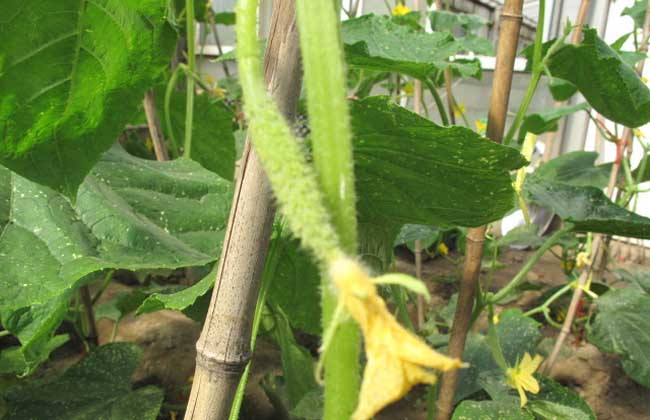
Organic agriculture refers to farming that completely or largely avoids synthetic fertilizers, pesticides, growth regulators and livestock and poultry feed additives, instead using organic fertilizers to meet crop nutritional needs or organic feed to meet livestock and poultry nutritional needs. Let us take a look below at the development prospects of organic agriculture!
Development prospects of organic agriculture in China
In terms of market sales, although organic food accounts for less than 5% of total global food sales, it is undeniable that organic agriculture has become the most dynamic sector in agriculture. In the long term, the prospects for organic agriculture are favorable, but in the Chinese market there are still many practical problems that will increase uncertainty for organic agriculture in the short term. Today, organic agriculture has become the agricultural investment field that entrepreneurs are most enthusiastic about, attracting not only investors with formal agricultural training like Zhang Tonggui, but also a large number of "crossover" entrepreneurs, such as Liu Chuanzhi, Ding Lei, Liu Qiangdong and Wang Jianlin.
Advantages of organic agriculture development in China
1. China is a large agricultural country with a long history and a traditional foundation in organic agriculture, so farmers readily accept the idea of developing organic agriculture, and they have accumulated rich experience through long-term practice.
2. Agriculture in some regions of China is relatively backward, which in a sense is also a favorable condition for converting to organic agriculture. For example, in some remote mountainous areas or impoverished regions, pesticides and chemical fertilizers have always been rarely or never used, and in fact many agricultural products are already organic food; with appropriate development and management they can become organic agriculture.
3. Organic agriculture is a labor-intensive industry, and China's rural areas have the most abundant labor resources.
4. Since the 1980s, green agriculture in China has been vigorously promoted, laying the foundation for the development of organic agriculture. Since the 1990s, organic agriculture has also developed to a certain extent in China, and there has been a certain amount of organic food export; internationally there is eager demand to import China's organic soybeans, peanuts, tea, rice, wheat, cotton, organic dried fruits, alcoholic beverages, honey, Chinese herbal medicines and more.
National standards for organic agriculture in China
1. Production standard: It specifies the general rules and requirements for organic production of crops, edible fungi, wild plants, livestock and poultry, aquatic products, bees and their unprocessed products, and applies to the entire organic production process, mainly including crop cultivation, edible fungus cultivation, wild plant collection, livestock and poultry farming, aquaculture, bee keeping, and the transport, storage and packaging of their products.
2. Processing standard: It specifies the general rules and requirements for organic processing, and applies to the entire process of processing, packaging, storage and transport using unprocessed products produced in accordance with GB/T19630.1 as raw materials, and also includes content on organic textiles; the scope of application of this part is products made of cotton or silk fiber materials, excluding products such as wool.
3. Labeling and sales: It specifies the general rules and requirements for the labeling and sale of organic products, and applies to the labeling and sale of products produced or processed in accordance with GB/T19630.1 and GB/T19630.2 and having obtained certification.
4. Management system: It specifies the general rules and requirements for the management system that should be established and maintained in the production, processing and operation of organic products, and applies to producers, processors, operators of organic products and the related supply links.