Analysis of the Development Trends and Future Directions of Modern Agriculture
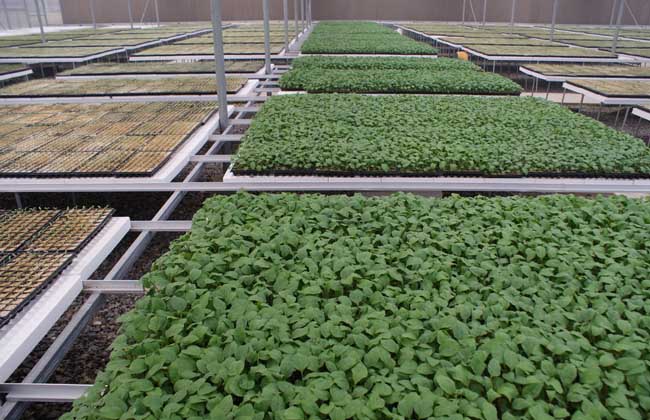
Modern agriculture refers to socialized agriculture that applies modern science and technology, the means of production provided by modern industry, and scientific management methods. In the history of agricultural development divided by the nature and status of agricultural productivity, it is the most recently developed stage of agriculture, mainly referring to agriculture in economically developed countries and regions after World War II. Now let us take a look at the development trends of modern agriculture!
Large-scale Agriculture
Large-scale agriculture is the most basic feature of modern agriculture. The emergence of large-scale agriculture is related to three factors: first, it is related to the reform of the land system; second, it is related to the transfer of rural surplus labor; third, it is related to the experience and management models of agricultural enterprises in dealing with farmers. The third point is very important, and many agricultural enterprises have failed to get past this hurdle. The most obvious aspect of large-scale agriculture is the scale of the livestock industry, which has already achieved a relatively high degree of scale. The crop farming industry has also developed very rapidly over the past ten years.
Technological Agriculture
The era of slash-and-burn farming is over, and Chinese agriculture is entering a technological revolution. Biological agriculture, precision agriculture, and equipment-based agriculture are becoming important components of modern agriculture. Taking biological agriculture as an example, Chinese agriculture has already gone through the stage of chemical agriculture over the past 30 years. At present, this stage has basically come to an end, and we have entered a transition period from chemical agriculture to biological agriculture. The industry is particularly optimistic about biological agriculture, and the development prospects of biological agriculture over the next ten, twenty, or even thirty years are very promising.
Branded Agriculture
China is currently building its own brand system for agricultural products, but this process is still very difficult. The formation of a brand for agricultural products requires the guarantee of excellent varieties, requires near-demanding quality assurance, and requires sustained brand operation. Branded agriculture means a relatively long investment period, means that a company's revenue is more important than profit, and that product quality is more important than cost. So far, there are not many nationally influential agricultural product brands in our country, but many domestic agricultural enterprises are working hard to build their own brands.