What were the pig farming subsidy policies in 2016?
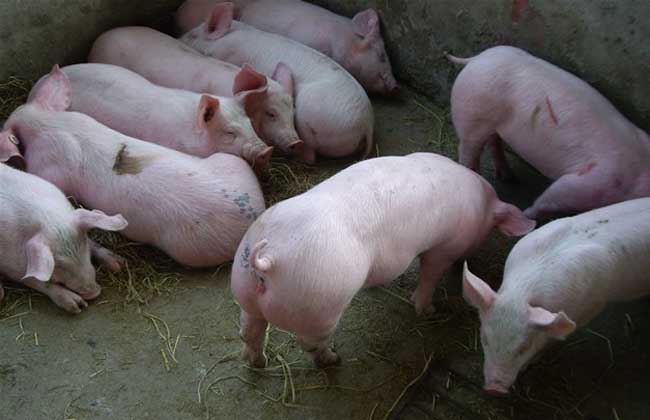
Pig farming subsidy policies are a means by which the state increases its support, enabling farms (households) to receive subsidy funds directly or indirectly, and it is also hoped that subsidies can guide the pig industry toward a healthier direction. By 2015, China's agricultural subsidies had undergone new changes, and in 2016 the various types of subsidies above will continue to be implemented. Let us take a look together below at the 2016 pig subsidy policies!
Preferential policies on water, electricity, etc.
The state encourages the use of barren hills, barren gullies, barren mounds and barren beaches for developing farming, exempts the groundwater resource fee, and allows enjoyment of agricultural electricity prices.
Livestock and poultry improved breed subsidy policy
In 2015, the number of pigs involved was 16.5225 million head. The subsidy standard for improved pig breeds is 40 yuan per sow. This year the central finance arranged 1.2 billion yuan through the modern agricultural production development fund to support the livestock and poultry improved breed subsidy work. Since the central finance began implementing the livestock and poultry improved breed subsidy policy in 2006, the support has kept increasing; as of 2015, a cumulative total of 8.95 billion yuan had been arranged.
Reward policy for major pig-producing counties
In 2014, the central finance arranged 3.5 billion yuan in reward funds, specifically for developing pig production. In 2015, the central finance continued to implement rewards for major pig-exporting counties. Specifically, this includes expenditures for the renovation of pens and sheds of large-scale pig farming households (farms), the introduction of improved breeds, and manure and sewage treatment, as well as insurance premium subsidies, loan interest subsidies, and epidemic prevention service expenses. The reward funds follow the principles of "guiding production, more transfers means more rewards, direct allocation to counties, and use for specified purposes," and are calculated based on the weights of pig transfer volume, slaughter volume and inventory volume at 50%, 25% and 25% respectively.
Comprehensive agricultural development projects
1. Livestock and poultry improved breed breeding project: the scale of central finance funds applied for by each project is controlled at 3 million yuan. It focuses on improving the livestock and poultry improved breed multiplication system, may appropriately carry out breed protection construction according to actual needs, and focuses on supporting expansion or continued construction projects that already have a foundation.
2. Agricultural sustainable development demonstration project: each project is allocated 1000-1200 million yuan in central finance funds, with a construction period of 2 years. Central finance funds of 180 million yuan are used to implement pilot projects for the comprehensive utilization of livestock and poultry breeding waste in 9 provinces and municipalities, and to develop rural biogas projects to enhance the capacity for treating rural livestock manure and sewage. Within the project application area, the livestock and poultry raising scale shall be no less than the equivalent of 20,000 pigs, large-scale farms shall have basic waste storage and treatment facilities, and there must be a certain scale of farmland for absorbing livestock and poultry manure. In addition, an ecological circular agriculture development plan or a comprehensive utilization plan for agricultural waste such as livestock and poultry manure and straw must already have been formulated.
Animal epidemic prevention subsidy policy
1. Subsidy for compulsory immunization vaccines against major animal epidemics: the state implements a compulsory immunization policy for animal epidemics such as highly pathogenic avian influenza, foot-and-mouth disease, highly pathogenic porcine reproductive and respiratory syndrome, classical swine fever and peste des petits ruminants. Compulsory immunization vaccines are organized by provincial governments for bidding and procurement, and vaccine funds are shared proportionally by the central finance and local finance, with farms (households) not needing to pay for compulsory immunization vaccines.
2. Subsidy for the culling of livestock and poultry with epidemics: the state implements compulsory culling of animals infected with highly pathogenic avian influenza, foot-and-mouth disease, highly pathogenic porcine reproductive and respiratory syndrome and peste des petits ruminants, as well as animals in the same group, and of dairy cows positive for brucellosis and tuberculosis. The state provides subsidies to raisers for losses caused by the culling of livestock and poultry due to the above epidemics, and the funds for compulsory culling subsidies are borne proportionally by the central finance, local finance and farms (households).
3. Subsidy for grassroots animal epidemic prevention work: the subsidy funds are mainly used for labor subsidies for village-level epidemic prevention workers undertaking compulsory immunization of livestock and poultry and other grassroots animal epidemic prevention work. In 2015, the central finance continued to arrange 780 million yuan in subsidy funds.
4. Subsidy for the harmless treatment of dead pigs in the farming stage: the state grants a subsidy of 80 yuan per head for harmless treatment costs to large-scale pig farms (communities) that slaughter more than 50 pigs annually and carry out harmless treatment of dead pigs in the farming stage, with the subsidy funds jointly borne by the central and local finance. In 2015, the scope of subsidies for the harmless treatment of dead pigs was expanded from large-scale farms (communities) to free-range pig households.
5. Subsidy for the harmless treatment of diseased pigs in the designated pig slaughtering stage: the state provides subsidies for losses of diseased pigs and harmless treatment costs in the slaughtering stage. The financial subsidy standard for losses of diseased pigs is 800 yuan per head, and the financial subsidy standard for harmless treatment costs is 80 yuan per head, with the subsidy funds jointly borne by the central and local finance.
Summary: Many farmers report that they simply cannot get subsidies. In reality, some shady practices in subsidies do exist. Besides the parties knowingly breaking the law and acting recklessly, the more important reason is that the vast number of farmers are not clear about the subsidy details. To put it bluntly, they are easy to fool, and the fact that some farmers swallow their anger after learning about it has also greatly encouraged these unhealthy practices.