A Detailed Guide to the Application Process for Agricultural Subsidy Projects
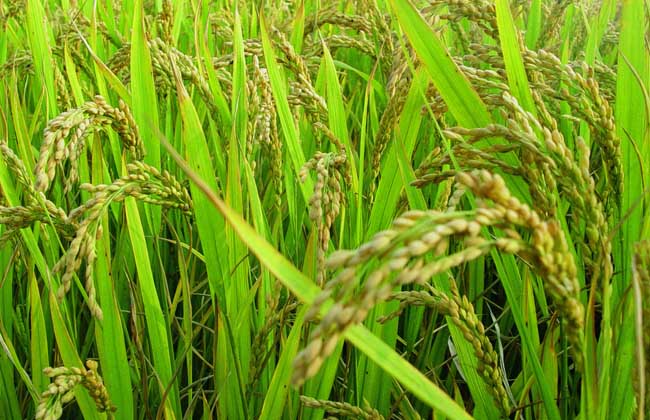
After the state implemented the “Vegetable Basket Project,” it granted substantial preferential policies to many agricultural production activities and also provided a certain amount of subsidies, giving everyone a better foundation for agricultural production. Agricultural subsidies also come in several categories, such as preferential policy programs, special support programs, and subsidy programs. You can apply for the corresponding project according to the relevant category.
Categories of Agricultural Subsidy Policies
1. Preferential policy programs: Preferential policy programs are generally available to cooperatives. After registering with the Administration for Industry and Commerce, once a cooperative has completed its own project construction, it can seek out the relevant policy-issuing department to apply.
2. Subsidy programs: Subsidy programs are basically all build-first, subsidize-later programs. Before project construction, you need to obtain recognition from the local government department, gain local government support, and complete project filing, and only then apply for the subsidy. The subsidy can only be received after the project passes acceptance inspection.
3. Special support programs: Special support programs are when the state gives key support to certain agricultural projects or cooperatives. The funding amounts are relatively large, and most require strong driving capacity, good feasibility, and good social benefits; they must be able to guide local industry development and cause no harm to the local natural environment and ecological environment. Obtaining the application materials for this type of project is the key point.
Organizing Project Application Materials
1. Strong radiating and driving capacity, with a notable effect on increasing the income of surrounding people.
2. No pollution, no adverse impact on the ecological environment, and even beneficial to the environment.
3. The implementation of the project conforms to the local leading industry or can guide the development of the local agricultural industry.
How Do You Successfully Apply for a Project?
1. Obtain project application notices in a timely manner: Browse the websites of the nine major ministries and commissions as well as the relevant provincial and municipal websites more often. Obtaining project application notices in a timely manner is one of the key parts of a successful project application.
2. Screen for suitable projects: There are many projects and they are very good, but they are not necessarily suitable for you. You need to screen for suitable projects to apply for.
3. Project application report: When writing a project application report, it must be practical and feasible for you. This is the most important part of a successful project application.
4. Submit to the relevant departments on time: There are many agricultural departments and many project departments. You must submit on time to the corresponding department according to the requirements of the project notice.
5. Maintain good government relations: Nowadays, project funds can only be obtained as corresponding support and reward funds after the competent department conducts review, acceptance inspection, and approval. Timely communication and standardized operation are indispensable.
How Do You Get the Subsidy Funds?
To get the subsidy funds, project acceptance inspection is crucial. To prevent project funds from being invested elsewhere and misused, most projects now follow the build-first, subsidize-later model. Therefore, project acceptance inspection is directly related to whether the final support funds can be credited to the account.
1. Standardized operation: Project funds must be used for the project and must not be misused.
2. Prepare in advance: Project defense materials, on-site construction, financial statements, and so on must be properly prepared.
3. Communicate diligently: Communicate more with local governments and more with experts, and let them help offer advice so the project can be done well.
4. Pay attention to project implementation and acceptance inspection information: Project implementation standards and acceptance inspection information will be posted on government websites or issued from the province to the city to the county down to the cooperative. Cooperatives must stay well informed and grasp acceptance inspection and examination information in a timely manner to buy themselves time to prepare.
Note: Everyone needs to be reminded that different categories of policies also have different requirements and standards for projects, and the application materials to be prepared are also different. Therefore, you must apply correspondingly according to the category.