What are the standards and contents of agricultural machinery subsidies?
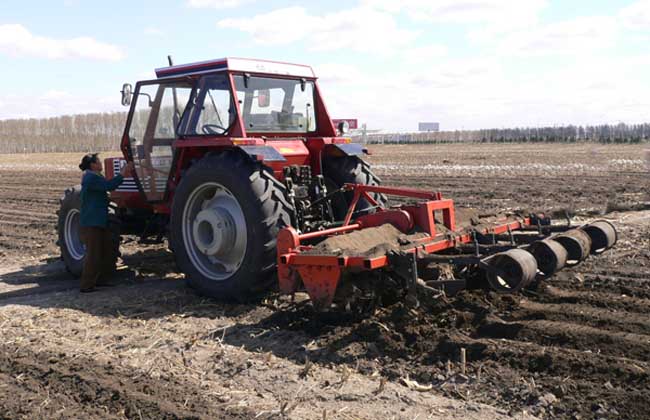
Agricultural machinery subsidies, namely subsidies for the purchase of agricultural machinery and tools, refer to the partial subsidies granted by the state to individual farmers, farm workers, specialized agricultural machinery households and agricultural machinery operation service organizations directly engaged in agricultural production for the purchase and renewal of large agricultural machinery and tools. The purpose is to promote the improvement of the level of agricultural mechanization and agricultural production efficiency. Let us take a look at the standards and contents of agricultural machinery subsidies together below!
Standards of agricultural machinery subsidies
The central government financial subsidy funds for the purchase of agricultural machinery implement fixed-quota subsidies. The subsidy amount for each grade of agricultural machinery product is calculated at no more than 30% of the average sales price of products of this grade in the province over the past three years. In key schistosomiasis control areas, the calculation ratio of the subsidy quota for major crop cultivation, harvesting and plant protection and other field operation machinery shall not exceed 50%.
Contents of agricultural machinery subsidies
1. In accordance with the needs of national agricultural development and national industrial policy, and on the basis of fully taking into account the regional differences among provinces and the actual situation of agricultural mechanization, the Ministry of Agriculture determines that the scope of machinery and tools subsidized by central government financial funds covers 12 major categories, 48 subcategories and 175 items of machinery and tools, including land preparation machinery, planting and fertilizing machinery, field management machinery, harvesting machinery, post-harvest processing machinery, primary processing machinery for agricultural products, irrigation and drainage machinery, livestock and aquaculture machinery, power machinery, farmland capital construction machinery, protected agriculture equipment and other machinery.
2. In addition to the 12 major categories, 48 subcategories and 175 items, all localities may independently add other machinery and tools of no more than 30 items within the 12 major categories to be included in the scope of central government fund subsidies. The self-selected items must be filed with the Ministry of Agriculture, explaining the reasons for the subsidy, the number of manufacturers involved in each item, product models, average market sales price, subsidy amount, etc.
3. Knapsack-type wheat combine harvesters, belt-driven wheeled tractors, transport machinery, loaders, agricultural aircraft, internal combustion engines, fuel generator sets, wind power equipment, hydropower equipment, solar energy equipment, packaging machinery, traction machinery, net fencing, thermal insulation quilts, the civil engineering part of protected agriculture, and corn grain combine harvesters in the Huang-Huai-Hai region are not included in the scope of central government fund subsidies. Walking tractors are subsidized only in schistosomiasis control areas and hilly and mountainous areas. Dual-purpose corn and wheat harvesters are subsidized separately as wheat combine harvesters and separate corn harvesters.
Procedure of agricultural machinery subsidies
1. Purchasers who meet the conditions for purchasing machinery fill in a written application.
2. Each county agricultural machinery bureau, according to the written application form filled in by the purchaser, enters the purchaser's basic information (name, ID number, address, postal code), information on the machinery and tools intended to be purchased and other relevant information into the system, and uploads on site the purchaser's ID card and personal photo to the information system.
3. The county agricultural machinery bureau reports the purchase application information in real time via the network to the provincial and municipal agricultural machinery bureaus for public announcement and approval (the public announcement period is 5 days).
4. After the purchaser's machinery purchase application has been reviewed by the provincial and municipal agricultural machinery bureaus and the 5-day public announcement period has passed, the county agricultural machinery bureau and the purchaser print and sign the approved agricultural machinery purchase subsidy application form and the agricultural machinery purchase subsidy agreement.
5. The purchaser provides the automatically generated agreement number on the application form and the ID number to the machinery seller. The purchaser buys the machinery after paying the price difference for the machinery, and the seller issues a formal invoice for the price difference.
6. The dealer enters the purchaser's ID number and agreement number in the agricultural machinery purchase subsidy information system, and enters in the information system the purchaser's machinery purchase date, invoice number, machinery engine number, machinery factory serial number and image of the formal machinery purchase invoice.
7. The county agricultural machinery bureau reviews the machinery purchase-related information entered by the dealer, verifies and confirms the purchase information, and prints the formal agricultural machinery purchase subsidy application form. After it is signed by the purchasing farmer, the provincial and municipal agricultural machinery bureaus then verify and confirm the machinery purchase information (the verification period is 10 days).
8. If the provincial and municipal agricultural machinery bureaus verify that the machinery purchase situation is true, the dealer may submit a settlement application to the provincial bureau through the machinery purchase subsidy information system and print the settlement materials.