Loach farming isn't profitable this year, and farmers need to reflect carefully
This year the loach market has been fairly stable, with sale prices reaching more than 10 yuan per jin, and many farmers have done quite well this year. Yet quite a few farmers still made no money at all, and some even suffered losses. Even if loach sold for only 8 yuan per jin, it should still be possible to make a profit.
Where exactly is the problem? The level of farming profitability depends mainly on market conditions and control of farming costs, and the largest share of farming costs is feed cost, accounting for about 70% of total costs. Two important factors affect feed cost: first, the quality of loach fry, and second, feed quality.
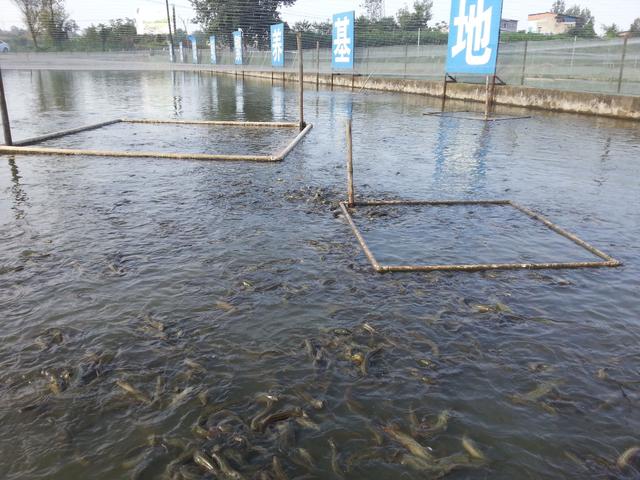
For loach farming, choose special feed or fish feed with 36-40% protein according to the different growth stages. Work with feed mills that have strength and a good reputation; you can learn from experienced farmers which feeds work better, so as to ensure feed quality. This is one of the important steps in farming to improve profitability.
Another important reason for not making money is poor quality of loach fry varieties: loach fry grow slowly, are prone to disease, and have a low feed conversion rate, which lengthens the farming cycle.
Based on the situation at large farming bases and the author's experience going to the countryside to serve farmers, Taiwan, China loach fry generally take about 120 days from the time the tiny fry are stocked in the pond to sale, and about 1.3 jin of feed can produce 1 jin of loach. Some farmers, however, have a farming cycle of about 150 days, and producing one jin of loach consumes more than 1.6 jin of feed. That makes farming costs much higher, and making a profit becomes quite difficult.
Why does this happen? One reason is that some feed is of poor quality, and another, more important reason is that farmers blindly pursue low-priced fry and ignore the fact that the fry suppliers simply have no conditions to breed and optimize parent loaches. They buy fry bred from commercial loach, and variety degeneration directly leads to a longer feeding cycle and greater feed use. This situation mostly happens to new farmers; experienced farmers, whether in farming production or in purchasing loach fry, already have rich experience and generally do not make such major mistakes.