How much does a Golden Retriever cost? A look at market prices
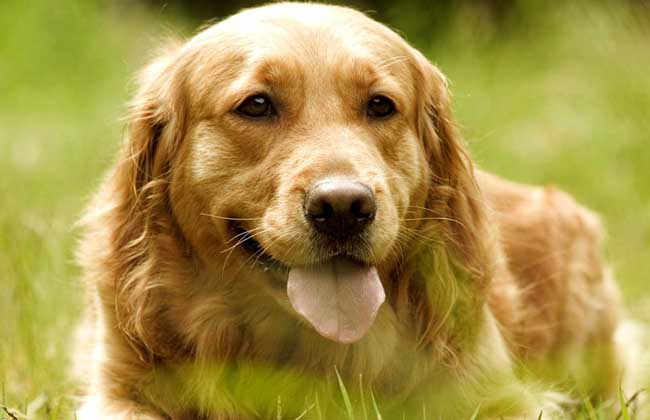
The Golden Retriever is a relatively modern and very popular dog breed, also known as the Golden Retriever, Golden Hunter, Golden Picker Retriever, etc. Its uniqueness lies in its endearing personality, characterized by a sturdy build, well-proportioned body parts, legs that are neither too long nor clumsy, a friendly expression, and a personality that is enthusiastic, alert, confident, and not afraid of strangers. Let's take a look below at how much a Golden Retriever costs!
How much does a Golden Retriever cost?
The Golden Retriever is one of the most popular dog breeds, but the price is not considered very expensive. Generally, you can buy one for 2000 to 6000 yuan, and most kennels and pet stores can be consulted for purchase. Usually, a purebred with general guarantees costs around 1500 yuan, one with better appearance around 1800-2500 yuan, a show-grade one generally around 6800-8000 yuan, and an AKC bloodline show-grade Golden Retriever is slightly more expensive at around 12000-15000 yuan. Although the price of Golden Retrievers varies, if you want to buy a purebred with guarantees, you must go to a legitimate dog farm for assurance. As the saying goes, you get what you pay for, so everyone should absolutely not be tempted by so-called low prices, and absolutely not covet a momentary bargain only to end up with “both the person and the money gone.”
How to choose a Golden Retriever
1. A purebred Golden Retriever should have a broad skull, a large mouth, and a bony protrusion slightly behind the top of the head. The nose should be black; if it is red, then it is considered a disqualification.
2. The Golden Retriever's coat is golden or creamy yellow and straight or wavy. The more hair the better. Grab a handful with your hand; if it feels very comfortable and the hair returns to its original shape after letting go, that indicates very good coat quality.
3. A purebred Golden Retriever's eyes are brown, and when looking straight ahead they do not show the whites of the eyes. The eye rims are dark, the distance between the eyes is large, and they are moderately sunken.
4. A purebred Golden Retriever's ears cannot be too large. Ears that are too large and too long are not an advantage but a defect. Pulling the tip of the ear should just cover the front edge of the Golden Retriever's eye; if it exceeds too much, that is a fault.
5. Hold the mouth of a Golden Retriever puppy with your hand. The thicker the mouth, the wider the Golden Retriever's mouth will be in the future; otherwise it is very easy for it to grow into a dog with a pointed mouth. Within a moderate range, the wider the mouth and the stronger the grip when held by hand, the better the appearance.
How to raise a Golden Retriever
1. Dog food selection: The Golden Retriever's food intake is relatively larger than that of ordinary dogs. It is recommended to directly buy professional dog food. Compared with homemade food, dog food has more balanced nutrition and is also simpler to feed; you only need to follow the recommended feeding amount and method on the dog food. Generally, feeding is divided by body size, and you should buy dog food suitable for the Golden Retriever's size. For example, buy puppy food when young, and feed adult dog food after growing up.
2. Feeding amount: From weaning to three months old, feed a Golden Retriever three to four times a day; from three to six months old, two to three times; from six months to one year old, two times; over one year old, one to two times. Feeding times can be coordinated with your daily schedule, but you should also consider adding time for walking the dog after meals, urinating and defecating, cleaning the litter pan, and washing the bowl. After meals, wash the bowl immediately to avoid residue attracting pests or leftover food spoiling. At the same time, take the bowl away so the Golden Retriever does not treat the food bowl as a toy.
3. Moderate exercise: Golden Retrievers should often be taken out to exercise and improve their physical fitness. If they do not exercise often, it will instead cause the Golden Retriever to become obese, and excessive obesity can easily cause various harms. But generally, do not take a Golden Retriever out running before it is 12 months old. At this time the Golden Retriever's bones have not yet developed well, and it will put a lot of pressure on it.
4. Cleaning and care: A Golden Retriever should be brushed 1-2 times a day. This not only keeps the coat clean and smooth and removes shed hair, but also prevents the coat from matting and promotes blood circulation. Every week, the Golden Retriever's mouth should be cleaned about 3 times, and the hygiene of the ears, eyes, and anal gland area should be cleaned once, to ensure the dog's body is clean and kept away from the harm of germs. In addition, the Golden Retriever should also be bathed, have its hair trimmed, and have its toenails trimmed regularly.
5. Disease prevention: In summer, Golden Retrievers should be kept cool and protected from heatstroke, avoiding heatstroke and infection with contagious diseases. In winter, keep them warm and protected from the cold, avoiding colds and illness. In addition, owners should regularly deworm the Golden Retriever internally and externally, regularly take it to the hospital for physical examinations and then vaccination, and do a good job preventing infectious diseases such as canine distemper and parvovirus to ensure the Golden Retriever's health.
6. Reasonable training: The Golden Retriever is a very obedient dog, but if you can train it in various ways from a young age and restrain its incorrect behaviors, especially since it relatively likes to bark, you must correct this in time. This is essential for whether the dog can adapt to your family life in the future.
Extra: The difference between Golden Retrievers and Labrador Retrievers
1. Face shape: The face shape of a Golden Retriever puppy is shorter than that of a Labrador puppy, and the ears are also shorter than those of a Labrador puppy, positioned higher than the eyes. The Labrador's ears hang close to the head and are relatively farther back.