How much is black beans per jin? Latest market prices
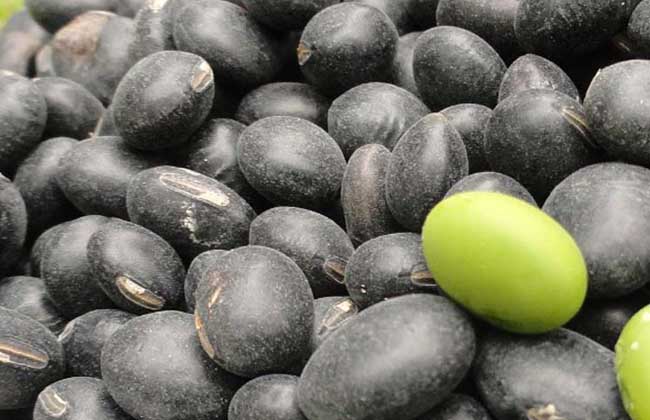
Black beans, also known as black soybeans, zhizai beans, horse feed beans, etc., are the black seeds of the soybean plant in the Fabaceae family. They are often eaten as a vegetable and are very nutritious, containing protein, fat, vitamins, trace elements and many other nutrients, while also containing a variety of bioactive substances such as black bean pigment, black bean polysaccharides and isoflavones. Let's take a look below at how much black beans cost per jin!
How much is black beans per jin?
Loose black beans generally cost 5-6 yuan per jin, while packaged black beans generally cost around ten yuan or more per jin. The price of black beans is not fixed; prices differ from region to region, and prices also differ between different points of sale. The price of black beans in wet markets and large supermarkets is different, generally more like five or six yuan per jin, while in shopping malls it is over ten yuan per jin. So for ordinary people today, the price of black beans cannot be considered expensive, and many families can afford it. Moreover, after buying some, you can eat them for a long time.
How to select black beans
1. Authentic pure black beans are not uniform in size; some are large and some are small, and the color is not pure black. Some are jet black, and some are reddish within the black. Fake black beans have basically been dyed, are jet black all over, are relatively uniform in size, and show obvious signs of artificial processing.
2. Put black beans into white vinegar and stir. If the white vinegar turns red, they are genuine black beans; if the vinegar does not change color, they are fake black beans. The reason black beans and white vinegar change color is that their surface contains anthocyanins, and it is precisely these anthocyanins that undergo a color-changing chemical reaction when they meet white vinegar.
Dietary contraindications for black beans
1. People with severe kidney disease should not eat black beans, because black beans are hard to digest. If people with severe kidney disease eat black beans, it will instead increase the burden on the kidneys.
2. Children should not eat black beans in large amounts, and patients with kidney yang deficiency and people allergic to black beans should also not eat them.
3. After black beans are stir-fried until cooked, they are very heating, and eating a lot of them easily causes internal heat, so they should not be eaten in large amounts.
4. Black beans should not be eaten together with milk, spinach, soy milk, tetracycline, castor beans, magnolia bark, gentian, or five ginsengs.
How to eat black beans
1. Black beans soaked in vinegar
[Ingredients] 100 grams of black beans, 300 milliliters of rice vinegar.
[Method] 1. Put the black beans in a flat-bottomed pan and stir-fry over medium heat until the skins burst. 2. Put the black beans into a bottle or jar, add the rice vinegar, and after it cools, seal the lid tightly. 3. Once the black beans have absorbed the vinegar and expanded, they are ready to eat. Just eat 30 beans a day.
[Benefits] Black beans are rich in dietary fiber, which helps improve constipation. The vitamin B1 and vitamin E they contain can restore physical strength and improve skin condition. They also have weight-loss and blood-pressure-lowering effects.
2. Black bean soy milk
[Ingredients] Black beans, granulated sugar, water.
[Method] 1. First wash the black beans clean and soak them in warm water for 7-8 hours; the water should cover the black beans to about two to three times their height. 2. Once the black beans have softened, pour off the soaking water and put the black beans into the soy milk maker. Add an appropriate amount of black beans depending on the size of your soy milk maker, and do not add water above the maximum water level line. 3. Turn on the soy milk maker and cook for more than ten minutes, and fresh black bean soy milk is ready.
[Benefits] Lowers blood lipids, prevents cardiovascular disease, provides antioxidant effects, delays aging, beautifies the skin, and increases gastrointestinal motility. It is especially suitable for presbycusis of the liver-kidney yin deficiency type in the elderly.
3. Black bean pork rib soup
[Ingredients] 12 liang of pork ribs, 1 carrot, half a burdock root, 2 liang of black beans, 5 qian of Morinda officinalis, 2 large spoons of women's wine, 1 small spoon of salt.
[Method] 1. First peel the carrot and burdock and cut them into rolling chunks for later use. 2. Then wash the pork ribs clean, blanch them in boiling water, then scoop them out and drain off the water for later use. 3. Heat a dry pan, add the black beans and stir-fry until the skins crack slightly and the aroma comes out, add water, then add the burdock, carrot, Morinda officinalis, pork ribs and 6 bowls of water, bring to a boil over high heat, then turn to low heat and continue cooking for about 40 minutes, then add the women's wine and salt and bring to a brief boil to finish.
[Benefits] Tonifies the kidneys and promotes diuresis, strengthens the brain and improves intelligence, improves eyesight and darkens the hair, activates blood circulation and removes toxins.