What is the market price of jackfruit per jin?
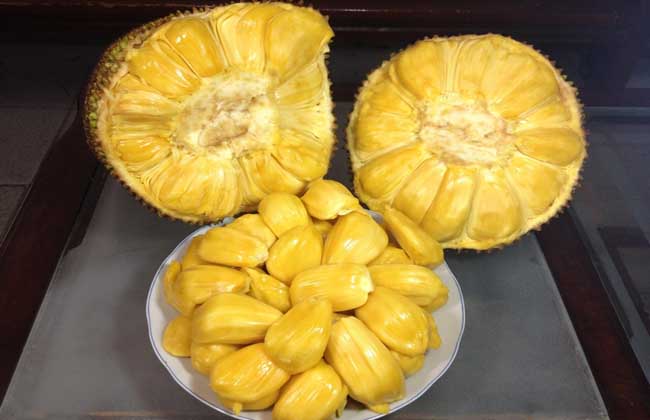
Jackfruit is a tropical fruit and also the heaviest fruit in the world. It originated in India in tropical Asia and is widely cultivated in humid tropical regions. It was introduced to China from India during the Sui and Tang dynasties, and in the Song dynasty it was renamed jackfruit, a name still used today. The flesh of the fruit has the effects of quenching thirst, promoting lactation, and tonifying the middle and boosting qi. It can be eaten fresh or processed into canned goods, preserved fruit, and juice. Now let us take a look at how much jackfruit costs per jin!
How much is jackfruit per jin?
The market price of jackfruit is about 4 to 5 yuan per jin (jackfruit weighs 5 to 20 kg, with the heaviest exceeding 59 kg), while the price of dried jackfruit is about 40 to 50 yuan per jin. In fact, the main factors affecting the price of jackfruit are the place of sale and the time. If you buy it in Hainan, it is certainly cheap, but once you leave Hainan it becomes expensive, and the further north you go, the more expensive it gets. At the same time, when jackfruit is in abundant supply on the market, the price will be much cheaper.
How to select jackfruit
1. Color: ripe jackfruit is generally golden yellow in color. If the jackfruit is not yet fully ripe, it may have a bit of green. Green is the natural color of jackfruit. When the ripe season arrives, the size basically does not change, and the color slowly turns golden yellow. But this does not mean that jackfruit that is not golden yellow cannot be bought. Green jackfruit can also be purchased; after buying it, leave it for two or three days and it will gradually ripen and turn yellow.
2. Outer skin: high-quality jackfruit has an intact outer skin, with relatively many pointed “small nails” or “spikes”, which is also a special feature of the jackfruit's outer skin. A few small black spots on the outer skin are normal, and are also a normal phenomenon of ripe jackfruit. However, if these small black spots are very numerous, or join together into a patch of black, then you need to be careful. Check whether the black areas have rotted; if they have rotted, handle them with caution.
3. Size: the size of jackfruit is not a useful reference, because jackfruit sizes vary greatly and any size is fine. What you look at in this case is the size of the “spikes” on the surface. Jackfruit still in its growth and development stage has relatively sharp “spikes” on its skin, because it is in a state of growth. During the ripening period, the “spikes” on the skin are more understated and restrained, a bit softer, but generally the tips of the “spikes” have already become somewhat shrunken.
4. Smell: after jackfruit ripens, it has a relatively strong fragrance, and the skin will crack slightly; at the cracked areas, the fragrance is even stronger.
5. Taste test: opinions differ on the taste of jackfruit, but if after cutting it open you find that the inside has rotted, treat it with caution and stop eating it if necessary.
Dietary contraindications for jackfruit
1. Jackfruit should not be eaten together with honey. When the two foods are eaten at the same time, the molecular structure of the honey and jackfruit changes and they will continuously expand. The human stomach cannot withstand unlimited expansion, and eating the two together can, in severe cases, lead to death from abdominal distension.
3. When eating jackfruit, it is not recommended to drink tea, because jackfruit is cold in nature and green tea is also a cold-natured beverage. Cold plus cold can cause symptoms such as stomach pain.
3. Jackfruit should not be eaten together with white radish. Eating the two together easily causes goiter.
4. Jackfruit should not be eaten together with milk or eggs. When eaten together, the fruit acids in jackfruit cause the protein in milk and eggs to coagulate, affecting the digestion and absorption of protein.
5. Jackfruit contains a relatively large amount of sugar. People with diabetes have insufficient insulin secretion and cannot break down such a large amount of sugar in time, which leads to sugar being excreted in the urine.
6. People with excessive internal heat are prone to heatiness themselves, and jackfruit is a heat-natured fruit, so it is not suitable for such people to eat often.
7. Eating jackfruit itself easily triggers allergic reactions, so people with an allergic constitution had best eat less jackfruit.
How to prepare jackfruit for eating
1. Sticky rice stuffed jackfruit
[Ingredients] Jackfruit, glutinous rice, white granulated sugar, chicken fat.
[Method] ① Soak the glutinous rice in clean water overnight. ② Scoop out the jackfruit one by one and put them in the refrigerator for later use. ③ Put the chicken fat on the glutinous rice and steam the glutinous rice over high heat; after the water boils, turn to low heat for about 20 minutes. ④ Put the white granulated sugar into the steamed glutinous rice and stir while hot until the sugar dissolves, then put it in the refrigerator to chill. ⑤ After one hour, take out the jackfruit, dig out the seeds inside, and stuff the glutinous rice into the jackfruit.
2. Jackfruit sago dessert
[Ingredients] 100 g sago, 150 g jackfruit, 60 g fructose, 3 tablespoons white sugar, 2 cups water, 1/2 teaspoon salt, 1/2 cup coconut milk.
[Method] ① Pour 3 cups of water into a pot and bring to a boil, then add the sago and stir briefly to prevent sticking to the pot. After the sago becomes transparent, scoop it out and rinse with cold boiled water for later use. ② Mix the seasonings and bring to a boil, then let cool and put in the refrigerator to chill. ③ Cut the jackfruit into long strips and soak them in the fructose; after 5 minutes, they can be taken out. ④ In a bowl, put the sago, then pour in the seasonings from step ②, and finally add the jackfruit. At this point, you can also add a little coconut milk according to personal taste and eat it together.