How much is mugwort per jin? Market price analysis
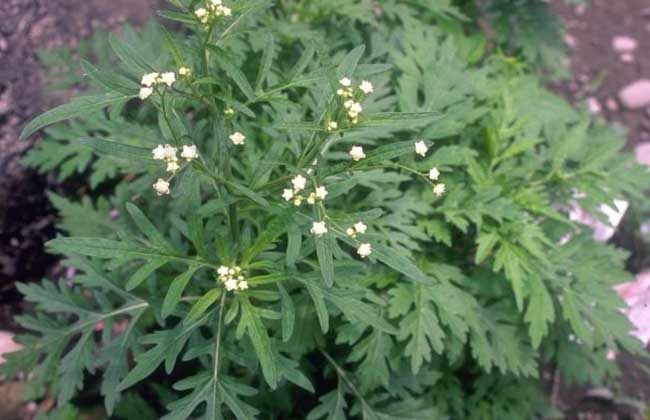
Mugwort, also known as bingtai, ec Cao, xiang'ai and other names, is a plant of the Asteraceae family, genus Artemisia. Every year at the Dragon Boat Festival people always place mugwort in their homes to “ward off evil spirits”. The dried plant is soaked in water and steamed to disinfect and relieve itching. Postpartum women often use mugwort water for bathing or fumigation. The whole plant is used as medicine and has effects such as warming the meridians, removing dampness, dispelling cold, stopping bleeding, reducing inflammation, relieving asthma, relieving cough, preventing miscarriage, and anti-allergy. Now let us take a look at how much mugwort costs per jin!
How much does mugwort cost per jin?
The wholesale price of mugwort is about 6 yuan per jin, the market retail price is about 12 yuan per jin, the export price is about 50 yuan per jin, and the dried mugwort with stems is about 2 yuan per jin. If it is aged mugwort, then for each year of aging add 40-50% of the aging cost (including management, labor, storage, etc.).
Where are mugwort producing areas distributed?
The producing areas of mugwort are extremely wide. Except for extremely arid and high-cold regions, it is found almost throughout the country. It usually grows in wasteland, roadsides, riversides and hillsides from low altitude to mid-altitude areas, and is also seen in forest steppes and grassland areas. In some areas it is the dominant species of the plant community. It is also found in Mongolia, Korea, and the Soviet Union (Far East region), and is cultivated in Japan.
The effects and functions of mugwort
1. Sterilization and disinfection: The substances contained in mugwort itself can play a sterilizing and disinfecting role, so boiling dried mugwort in water can achieve the same effect. Many people use mugwort boiled in water for bathing or fumigation, and some use it for soaking feet, all of which can achieve the same effect.
2. Dispelling cold and stopping bleeding: Mugwort itself is a warming and tonifying substance, so eating mugwort can help dispel cold. If you catch a cold in winter, you can drink some mugwort water to remove the cold from the body and achieve a therapeutic effect. In addition, mugwort's effect of warming the meridians and stopping bleeding is of great benefit to girls.
3. Calming and soothing the nerves: Some people use mugwort boiled in water to soak their feet, which can not only activate the blood vessels but also play a calming role and improve sleep quality.
4. Repelling mosquitoes and insects: Mugwort contains a special fragrance, which is a scent that mosquitoes and insects fear, so applying some mugwort water to the skin in summer can repel mosquitoes and insects and avoid mosquito bites.
What are the effects of boiling mugwort in water?
1. Drinking: If fresh mugwort is boiled in water, it can be drunk directly and can play roles such as warming the meridians, removing dampness, dispelling cold, stopping bleeding, reducing inflammation, relieving asthma, relieving cough, preventing miscarriage, and anti-allergy.
2. Soaking feet: The water boiled from mugwort can also be used to soak feet. Soaking feet can speed up blood circulation, promote the body's metabolism, dispel cold and remove deficient fire, and treat colds caused by wind-cold.
3. Sterilization: Boiled mugwort water can be used to wash some kitchen utensils, or to wipe them, and can also be sprinkled in corner areas. It can play a sterilizing role and can also achieve the effect of removing mosquitoes and insects.
4. Bathing: Many elderly people like to use mugwort boiled in water to bathe children, especially children two or three years old, with the meaning of ensuring peace and safety. In fact, using mugwort boiled in water for bathing can play a sterilizing and disinfecting role and, to a certain extent, can promote children's health.