How much does a Shar-Pei cost? A detailed look at market prices
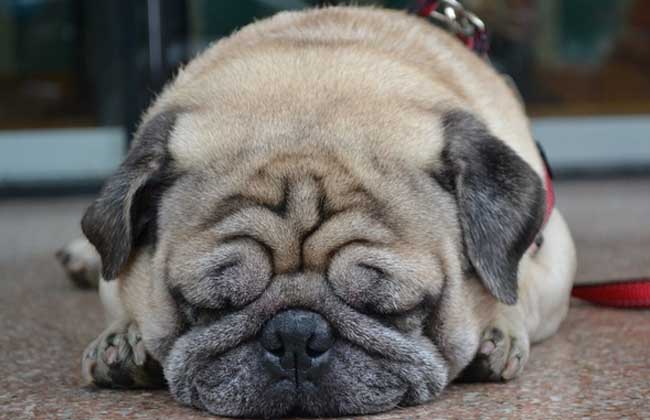
The Shar-Pei is a rare dog breed in the world, also known as the Dali dog, fighting dog, and Chinese fighting dog. It originates from the area of Dali Town, Nanhai, Guangdong, China, and carries an air of majesty: alert, intelligent, dignified, with a noble bearing, a perpetually furrowed brow, calm and proud, neutral by nature and somewhat aloof with strangers, but devoting all its love to its family. Now let us take a look together at how much a Shar-Pei costs!
How much does a Shar-Pei cost?
City reference prices, price difference between male and female Hangzhou: ordinary Shar-Pei prices range from 200 to 500 yuan, purebred Shar-Pei around 1,100 yuan, at most 100 yuan more per dog Chengdu: ordinary Shar-Pei around 600 yuan, purebred Shar-Pei around 1,500 yuan, at most 200 yuan more per dog Henan: ordinary Shar-Pei prices range from 400 to 600 yuan, purebred Shar-Pei from 1,500 to 2,000 yuan, at most 200 yuan more per dogNote: Shar-Peis are divided into two types, working line and show line. Prices usually range from 500 to 3,000 yuan; very ordinary ones are under 200 yuan, ordinary ones under 500 yuan, and those with a pedigree certificate (purebred) around 2,000 yuan each; those with a certificate and an ear number cost a bit more.
Price traps with Shar-Peis
1. If it barks wildly and randomly, moves sluggishly, has dull eyes, a tail that hangs down without the tip slightly raised, and a thin physique, it is generally a sick dog and not suitable to buy.
2. The seller can generally produce the pedigree certificates of the dog's sire and dam; if they cannot, the purity of the breed is hard to guarantee.
3. After the selection process is complete and the purchase is confirmed, both parties should sign a transfer certificate.
How to choose a Shar-Pei
1. Before buying, you should read some materials introducing the body shape characteristics and traits of this breed. Once you have a clear picture of this dog in mind, you can avoid choosing blindly at random.
2. When buying, be sure to choose a puppy that is strong and healthy, full of vitality, moves nimbly, has bright sparkling eyes, and is free of any disease.
3. During the purchase, carefully examine every part of the dog to see whether it meets the breed's proper body shape standards, and its height and weight should not exceed the standard by too much.
4. When assessing temperament and traits, pay attention to whether the dog is friendly and amiable toward people, whether it moves nimbly and vigorously, and whether it barks or bites wildly, etc.
5. The assessment of body shape characteristics should cover every part of the dog: head, chest, back, loins, abdomen, forelimbs, hindlimbs, neck, tail, toes, claws, eyes, nose, muzzle, ears, coat, and coat color.
Shar-Pei selection standards
1. Head: The Shar-Pei's head is large with a flat skull; the forehead is very wide; a black nose is preferred, or as close as possible to the same color as the coat; there are wrinkles on both the forehead and cheeks.
2. Ears: The Shar-Pei's thick ears are very small and triangular. They droop downward toward the eyes.
3. Eyes: The Shar-Pei's eyes are dark and medium in size, and it looks as if it is frowning.
4. Nose bridge: The Shar-Pei's bulging nose bridge is very large. A long muzzle and a wide one of this breed is considered top grade.
5. Body: The Shar-Pei's chest is wide and thick, the back is short and strong; an adult dog whose skin is too loose is not top grade.
6. Coat: The Shar-Pei's dense coat is short and harsh; straight hairs cover the body. Colors include black, red, mustard yellow, and cream; the coat color on the back of the thighs and the inner side of the tail is relatively dark.
7. Limbs: The Shar-Pei's limbs are very powerful with well-developed muscles; the forelimbs are very straight, while the hindlimbs form a wide angle with the body.
8. Feet: The Shar-Pei's feet are very firm and medium in size, with tightly knit toe joints.
9. Tail: The Shar-Pei's tail root is high and round, the tail tip gradually tapers, and it curves toward the back. The pointed end of the tail is curved.