How much is mud crab per jin? Latest market price analysis
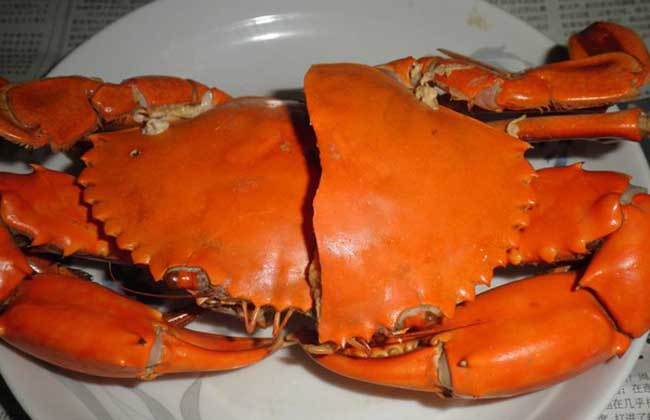
Mud crab meat is delicious and nutritious, and it also has the effect of nourishing and strengthening the body. In China, it is mainly distributed along the coasts of Guangdong, Guangxi, Fujian, Taiwan, China, Zhejiang and other provinces, with Zhejiang, Fujian and Guangdong having the most. But if we ask where the most famous mud crab comes from, it must be Yishi mud crab and Sanmen mud crab in Zhejiang Province. Now let us take a look at how much mud crab is per jin!
How much is mud crab per jin?
Whether in taste or price, mud crab deserves the words "good quality and low price." Sanmen mud crab is about 60-80 yuan per jin, Yanpu mud crab is generally priced above 80 yuan, and during New Year and festivals the price is roughly 110-130 yuan per jin. Moreover, mud crabs are also divided into artificially farmed and wild types. Wild ones are naturally more expensive, but they are relatively safer and more reassuring, because artificially farmed mud crabs often have hormones added. However, some farms use fresh fish and shrimp as food for mud crabs, and these are naturally relatively healthier.
How to choose mud crab
1. You must choose fresh mud crabs. Never buy dead or dying mud crabs. Dead mud crabs are very unhealthy. You can turn one over. If it can turn itself back, it shows it is still relatively lively and can be bought.
2. You can lift the mud crab up and check the jagged top of the crab shell against the light. If it is completely opaque, it shows this mud crab is relatively plump; otherwise, it is not very full.
3. Everyone should know that mud crabs molt their shells. A mud crab that has just finished molting often uses up a lot of energy, so it certainly does not have much meat. If the bottom is white or even transparent, it shows it has just finished molting. Do not buy this kind.
Nutritional value of mud crab
1. Mud crab is rich in protein, has the effect of maintaining potassium and sodium balance, can also eliminate edema, enhance body immunity, improve anemia, and is beneficial to human growth and development.
2. Mud crab is rich in calcium, and calcium is an important substance involved in nerve and muscle activity. It can regulate heart rhythm, reduce cardiovascular permeability, control inflammation and edema, and maintain acid-base balance in the body.
3. Mud crab is rich in copper, and copper has an important impact on blood, the central nervous system and the immune system, hair, skin and bone tissue, as well as the development and function of internal organs such as the brain, liver and heart.
4. Mud crab is rich in phosphorus, which can promote growth and the repair of body tissues and organs, participate in the regulation of acid-base balance, and also provide sufficient energy to the body.
Dietary taboos for mud crab
1. People with weak and cold spleen and stomach are not suitable to eat mud crab. Mud crab is cold in nature and may harm the spleen and stomach.
2. People who have not recovered from wind-cold should not eat mud crab, as it may worsen the condition.
3. Patients with stubborn skin itching must not eat mud crab, as it will worsen the itching.
4. Women with heavy menstrual bleeding, dysmenorrhea, or who are pregnant should avoid eating crab, because mud crab is cold in nature.
5. Mud crab cannot be eaten together with foods such as sweet potato, pumpkin, honey, orange, pear, pomegranate, tomato, muskmelon and peanut.
6. Mud crab cannot be eaten together with tea. Within 1 hour after eating crab, avoid drinking tea.
7. Do not eat raw mud crab. It must be fully cooked before eating, otherwise you may be infected by bacteria or invaded by parasites.