How much is nutria per jin? Latest market price analysis
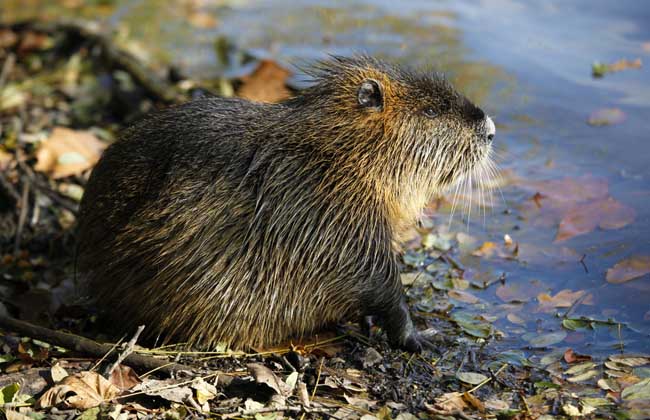
The nutria, also known as the river rat, coypu, swamp beaver and so on, is a rodent of the family Myocastoridae, genus Myocastor, and has extremely high breeding value. Its fur is a precious clothing material, commonly used as material for coats, hats, scarves and so on; its meat is a high-quality, high-protein wild game delicacy; and its internal organs are a main source of biological medicines. Let us take a look below at how much nutria costs per jin!
How much is nutria per jin?
The price of farmed nutria is about 25 to 30 yuan per jin, or about 350 to 380 yuan per pair. The nutria is a treasure from head to tail, and its market selling price is quite considerable. The feeding cost for one nutria is at most just over 40 yuan, yet one jin of nutria meat can sell for just over 20 yuan. Usually they are raised to about 12 to 15 jin before being sold, so one can sell for about 300 yuan, and the profit is still very high. Moreover, raising nutria not only has low costs, is easy to feed and easy to manage, but also does not pollute the environment.
Nutria breeding methods
1. Cage raising: Cage raising is the best method for large-scale nutria breeding, especially for breeding-stock nutria, for which cage raising should be adopted even more, but the breeding cost is relatively high. The cages for raising nutria should be built inside a house or shed. Generally, double-layer cages are installed on both sides inside the house or shed, with a walkway set up between the two rows of cages to facilitate feeding management and the transport of feed. The interior should be bright, dry and well ventilated.
2. Pen raising: For family nutria breeding, the pen-raising method is preferable. The size of the pen depends on the number of nutria being raised, and on average each nutria should occupy 1 sq m. The pen walls can be built with bricks or cement boards and wire mesh. On the south side of the pen, build a pool with specifications of 80 cm long, 40 cm wide and 30 cm deep, for the nutria to swim and bathe in. Between the pool and the nest chamber is an exercise yard, for the nutria to feed and move about.
3. Free-range raising: Free-range raising of nutria is a relatively extensive feeding method. Its advantages are that it can fully utilize natural water resources and reduce infrastructure costs, lowering production costs by 50 to 60 percent. However, whether the site selected for free-range release of nutria is appropriate has a great bearing on whether free-range raising can succeed.
4. Semi-free-range raising: Semi-free-range nutria breeding is a feeding method that combines free-range breeding with pen raising. In spring, summer and autumn, free-range breeding is carried out, and in winter the nutria are shut indoors for raising. For specific methods, refer to free-range breeding and pen raising.
The economic value of nutria
1. Nutria meat: Nutria meat contains 18 kinds of amino acids and more than 30 kinds of trace elements. In particular, its zinc and calcium are several times higher than those of ordinary livestock and poultry meat, making it an ideal food for women's beauty care and for children's physical development and intelligence enhancement.
2. Fur: Nutria fur is thick and substantial in texture, soft and wear-resistant, gorgeous in appearance, with dense down hair and good water-shedding and heat-retention properties. The clothing made from it is both good and inexpensive, and is very popular among the working class and in some Eastern European countries.
3. Nutria oil: With the deep processing of nutria products, some high-value-added products have now been developed, such as nutria oil, which can be used to make high-grade cosmetics.
4. Nutria blood: A health-care medicine can be extracted from nutria blood and used to treat gastrointestinal diseases, with good results.
5. Nutria bone: Medicinal liquor made from nutria bones has good results for rheumatism.
6. Nutria tail: The tail of the nutria has a notable effect of nourishing yin and strengthening yang, second only to deer penis. After scientific processing, the sinews of the nutria tail are made into absorbable protein sutures for stitching wounds, which do not need to be removed.