How much does a Maine Coon cat cost roughly?
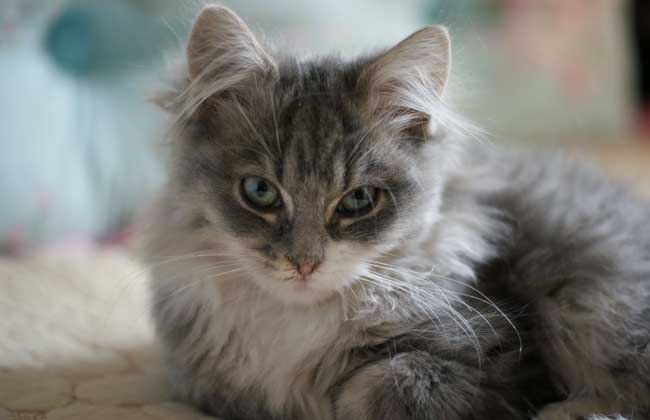
The Maine Coon is the first long-haired breed to occur naturally in North America, short for the Maine Coon cat, named after its origin in the state of Maine, USA. It formed a relatively stable breed around the mid-18th century. It has a strong build and a thick, dense coat, and looks similar to the Siberian Forest Cat. It is also one of the large-sized breeds among cats. Let's take a look below at how much a Maine Coon cat costs!
How much does a Maine Coon cat cost?
The price of a Maine Coon cat is roughly 1000 to 15000 yuan each. The Maine Coon has a gentle temperament, is affectionate with people, intelligent and independent, understanding, stubborn in character, brave and clever, and likes to be alone, but gets along well with people. Its sleeping habits are also very special; it likes to sleep in the most remote and odd places. Some have proposed a theory to explain this habit, saying that its ancestor the farm cat was used to sleeping on uneven ground. Another unusual trait is that it can make a chirping, bird-like soft call that is very pleasant to hear.
How to keep a Maine Coon cat
1. Food: Maine Coon cats need to be fed fresh, fully balanced and nutritious food every day, along with enough water. Raw fish and raw meat must be cooked before being fed to the cat. During the kitten and senior years of a Maine Coon, some calcium powder and vitamins can be added to the food to promote bone development and prevent aging; vitamins can also boost the cat's immune resistance.
2. Cleaning: Cleaning a Maine Coon includes grooming the coat and bathing. The owner needs to groom the Maine Coon once a day, for 5 to 10 minutes. In summer, the Maine Coon can be bathed once every 1 to 2 weeks; in winter, the bathing interval can be appropriately extended, generally once every 1 to 2 months.
3. Environment: The Maine Coon is naturally a clean animal. When kept at home, the owner should regularly clean the living environment, and the cat bed should also be frequently cleaned, aired and disinfected, because only by providing a good and healthy living environment for the Maine Coon can it grow up happily and healthily.
Grooming a Maine Coon's coat
1. First use a metal comb to comb out the matted hair. While combing, pay attention to whether there are black spots from flea infestation. The black spots are flea feces and should be carefully removed.
2. When grooming, follow the direction of hair growth and use a bristle brush on the whole body's coat, including the abdomen. Brush gently so as not to hurt the cat.
3. After brushing, shed hair will stick to the coat; use a rubber brush to brush it off, making the coat smooth and clean.
4. To maintain the glossiness of the coat, apply a few drops of coat conditioner every few weeks, which helps remove oil and restores the color and luster of the cat's coat.
5. Wipe the cat's coat with chamois leather to further remove surface dirt. In addition, frequent petting and a consistently healthy diet will also make the coat beautiful.
Feeding precautions for Maine Coon cats
1. Animal liver: Some cats love eating animal liver and refuse other food. Animal liver contains a large amount of vitamin A, but excessive intake of vitamin A can lead to muscle stiffness, neck pain, bone and joint deformities, and liver disease.
2. High-fat foods: If a cat's diet contains a large amount of high-fat fish or stale fatty meat, it can lead to insufficient vitamin E intake, which in turn causes inflammation of the cat's body fat and extreme pain.
3. Raw fish: Some raw fish contain an enzyme that destroys vitamin B1, and a deficiency of vitamin B1 can cause neurological disease in cats and can be fatal in severe cases. This enzyme can be destroyed by heating, so fish must be cooked before being fed to cats.
4. Meat: Although a cat's diet should be mainly meat, feeding a cat only meat can lead to an imbalance in mineral and vitamin intake, which in turn triggers severe bone metabolism disorders.
5. Dog food: The nutrients in dog food and cat food are not the same, and the nutrients in dog food cannot meet a cat's needs. Although cats and dogs are both carnivores, a dog's nutritional needs are not as great as a cat's.
6. Cod liver oil: Special care should be taken when supplementing a cat with extra vitamins and minerals. Excessive consumption of cod liver oil can lead to excessive intake of vitamin A and vitamin D, which in turn triggers bone disease.