How much does a Bombay cat cost? A detailed look at market prices
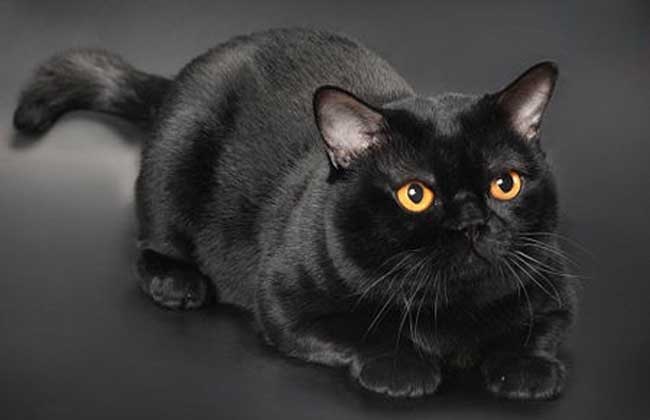
The Bombay cat is a modern breed, also known as the "mini black panther." It was developed in 1958 by American breeders through crossing the Burmese cat (black sable cat) with the American black shorthair cat, and was not recognized by the Cat Fanciers' Association until 1976. Because its appearance closely resembles the Indian leopard, it was named after the Indian city of Bombay. Let's take a look below at how much a Bombay cat costs!
How much does a Bombay cat cost?
The price of a Bombay cat varies from several thousand to over ten thousand yuan depending on its quality, bloodline, and breed. According to relevant data, the average price of an ordinary Bombay cat is around 2,000 yuan, but kittens at this price are not guaranteed to have a pedigree, meaning they are just ordinary kittens. If you want to buy a purebred Bombay cat, the price is generally above 5,000 yuan. Moreover, it is said that no Bombay cats are sold domestically in China, so if you want to buy one, you would have to go abroad.
Personality traits of the Bombay cat
The Bombay cat has a gentle and docile personality, is steady and quiet, yet is not shy of strangers. It is affectionate and loves to be close to people. When held in someone's arms, it will continuously make a satisfied purring sound from its throat, so this beautiful black kitten is deeply loved by people. The Bombay cat is very sociable, easily blends into its surroundings, and can get along well with children and dogs, but it may not necessarily coexist peacefully with other cats. The Bombay cat is loving and especially gentle, loves to snuggle up beside its owner. Although it is somewhat restrained in expressing affection, it enjoys human companionship, so it should not be left alone for long periods. In addition, the Bombay cat is intelligent and quick-witted, reacts sensitively, has a soft meow, and is sometimes a little mischievous.
Basic characteristics of the Bombay cat
1. Head: round in shape.
2. Face: round, with a short nose and well-developed lower jaw and cheeks.
3. Eyes: round, a shining bronze color, with relatively wide spacing between the eyes.
4. Ears: medium in size, with tips slightly rounded.
5. Muzzle and nose: medium-short nose length, slightly concave, but not a flat nose bridge, with a black nose leather. The muzzle is broad and full, similar to that of the Burmese cat.
6. Coat: short hair, close to the body, fine and soft in texture, delicate in feel, and a glossy jet black.
7. Torso: medium build, muscular.
8. Limbs: thick and strong, powerful, in harmony with the body and tail. Toes are round, compact and strong, with black paw pads. Claws are small and oval-shaped.
9. Tail: medium in length.
Care methods for the Bombay cat
1. Trimming claws: Cat claws are a cat's tool for catching mice, climbing, and self-defense. If the owner keeps a cat for catching mice, then of course the claws cannot be trimmed. If the owner keeps a cat as a companion animal, then the cat's claws should be trimmed regularly to avoid scratching people or damaging clothes, furniture, floors, etc. Claw trimming should start from a young age, about once a month.
2. Bathing and cleaning: Bathing a Bombay cat not only keeps the cat clean and attractive, but bathing can also remove some parasites on the body surface, promote blood circulation and metabolism, and play a role in disease prevention and health. The habit of bathing is best cultivated from a young age; if you only start bathing the cat in adulthood, the cat will be extremely reluctant.
3. Grooming the coat: The Bombay cat's tongue surface is rough, with special barbed papillae that act like a comb. The Bombay cat often grooms its coat by licking with its tongue. For areas it cannot reach, such as the head, shoulders, back, and neck, it uses its paws to groom. Even so, it is still best to groom the cat once a day.
4. Eye care: A healthy Bombay cat's eyes are bright and spirited. When a Bombay cat is sick or in poor condition, it often shows light sensitivity and tearing. In some cat breeds, the nasolacrimal duct is prone to blockage, causing tearing. When a cat tears excessively, eye discharge often accumulates at the inner corner of the eye near the nose. This can be gently wiped away with absorbent cotton dipped in a 2% boric acid solution.
5. Ear care: Ear care for the Bombay cat mainly involves removing earwax. Use a cotton ball with 75% alcohol to disinfect the external ear canal, then use a cotton swab dipped in olive oil or edible vegetable oil to moisten the dry earwax. After it softens, carefully remove the earwax with tweezers, being careful not to break the mucous membrane of the ear canal to prevent infection and suppuration. Once the cat's external ear canal becomes infected and suppurates, you can gently wipe it with a cotton swab dipped in hydrogen peroxide, repeatedly wiping until no pus remains on the cotton swab, then use absorbent cotton to dry the hydrogen peroxide inside the ear canal. After wiping several times, the infection can heal. If the cat has too much earwax and shakes its head and scratches its ears, you should promptly consult a veterinarian for diagnosis and treatment.