How much is a bottle of spirulina? An introduction to market prices
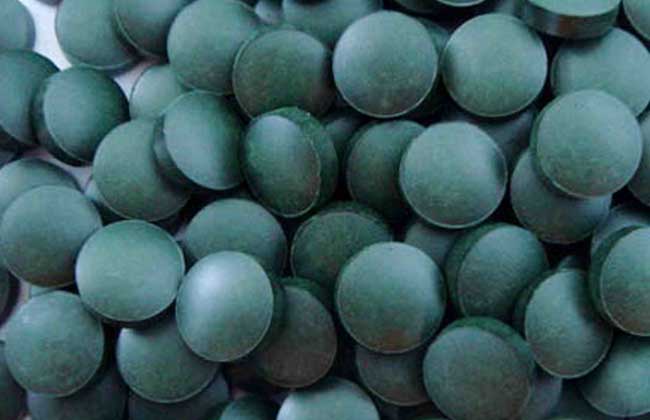
Spirulina contains a wide variety of vitamins, is the food with the highest content of vitamin B12 and β-carotene, has the highest content of absorbable iron among all foods, and also contains algal proteins with cancer-preventing and cancer-treating effects, as well as large amounts of mineral elements and bioactive substances that boost the body's immunity. Now let's take a look at how much a bottle of spirulina costs!
How much is a bottle of spirulina?
The price of spirulina varies in different regions. A bottle of 100 spirulina tablets generally costs around 110 yuan. The Natury brand natural spirulina capsules produced by Shanghai Baoshengtang Biological Enterprise Co., Ltd., in a 120-capsule pack, cost 118 yuan per bottle. Of course, imported products may be slightly more expensive, and prices in different regions may vary slightly, but the difference will not be too large.
How to choose spirulina
1. Check the label: For spirulina health food products, there must be an official national health food approval number and a “little blue hat” logo. The information stated on the product label must comply with the health food labeling standards required by national standards. It cannot be a “three-no” product with no trademark, no manufacturer name and no address. Under the national food safety licensing access system, all foods must also carry the “QS” certification mark.
2. Check the color: Truly pure, 100% natural spirulina, whether powder, tablets or the algal powder inside capsules, is dark green with a slight yellow tint. Pure green spirulina products may be problematic, either inferior or counterfeit, or mixed with other substances. Because processed spirulina is very dry and easily absorbs moisture, after absorbing moisture it may gradually turn green and is prone to spoilage. Eating this kind of spirulina is not only unhelpful to health but harmful.
3. Smell the odor: Spirulina has a distinctive algal or sea-like smell. If it lacks this characteristic odor, it may not be spirulina or may be processed from algal powder raw material that has been stored for a long time. However, a rotten, fishy smell very likely indicates an inferior product.
4. Check the hardness: For spirulina tablet products, break one with your hands. The harder the spirulina tablet, the more other ingredients it is mixed with, while a high-quality one can be split apart with just a hand break.
5. Taste the flavor: Spirulina tastes savory and usually has a slight alkaline taste. If the alkaline taste is relatively strong, it does not meet the standard. In addition, products made from 100% spirulina should be fairly sticky in the mouth.
6. Water dissolution method: Put spirulina powder or tablets into a glass cup filled with purified water and let them dissolve, then observe the color of the water. If it is high quality, the water should be green and gradually turn blue after half an hour.
7. Check the packaging: Among the nutritional components of spirulina, some need to be stored isolated from air, such as phycocyanin and carotene. Therefore, there must be outer packaging that blocks moisture, prevents dampness and shields light. Packaging is the protective layer for the product's internal quality. If the packaging does not meet national regulations, it can easily cause loss and deterioration of spirulina's nutritional components.
The effects and functions of spirulina
1. Lowering cholesterol: Lowering cholesterol can effectively prevent the onset of heart disease and stroke. The Y-linolenic acid in spirulina can lower the cholesterol contained in the human body, thereby effectively lowering high blood pressure, preventing heart disease and reducing cholesterol.
2. Regulating blood sugar: Spirulina contains various blood sugar-lowering substances such as spirulina polysaccharides, magnesium and chromium, which can regulate blood sugar metabolism through multiple pathways (such as promoting insulin secretion, slowing sugar absorption, promoting substance metabolism, antioxidation, etc.).
3. Strengthening the immune system: Both the algal polysaccharides and phycocyanin in spirulina can enhance the proliferation activity of bone marrow cells, promote the growth of immune organs such as the thymus and spleen, and promote the biosynthesis of serum proteins. Therefore, spirulina has an immune-enhancing effect.
4. Protecting the stomach and intestines: Most patients with stomach diseases have excessive gastric acid, leading to diseases such as gastritis and gastric ulcers. Spirulina is an alkaline food. Spirulina contains very high plant protein as well as rich chlorophyll, β-carotene and other substances that are extremely effective for neutralizing gastric acid and for the repair, regeneration and normal secretory function of the gastrointestinal mucosa, making it especially suitable for patients with gastrointestinal problems. Through the good improvement of the intestinal environment, it also has adjunctive therapeutic significance for diabetic patients.
5. Preventing and suppressing cancer: The mechanism of action of anti-mutation and anti-cancer drugs is related to the repair of deoxyribonucleic acid (DNA). The algal polysaccharides, β-carotene and phycocyanin in spirulina all have this effect. Therefore, spirulina shows an important role in anti-tumor and cancer prevention.
6. Preventing and treating hyperlipidemia: Spirulina contains large amounts of unsaturated fatty acids, among which linoleic acid and linolenic acid account for 45% of total fatty acids. The two are important components of the phospholipids in the mitochondria of cell membranes and can prevent total cholesterol and triglycerides from accumulating in large amounts in the liver and blood vessels, avoiding damage to the normal physiological function of the cardiovascular system.
7. Antioxidant effect: Free radicals are one of the root causes of human aging and disease. Superoxide dismutase (SOD) can catalyze dismutation reactions to clear free radicals. Spirulina can reduce oxygen free radical damage caused by exercise, protect cell membrane structure and has an anti-exercise-fatigue effect.
8. Anti-radiation function: Spirulina contains large amounts of phycocyanin and algal polysaccharides, and is rich in protein as well as various vitamins, β-carotene and trace elements and other biologically active components, which increase the body's immune function and alleviate and reduce the inhibitory effect of radiation on the immune system. Spirulina has a relatively strong antioxidant effect and can enhance the activity of the body's antioxidant enzymes and capture free radicals, thereby reducing DNA damage caused by the formation of free radicals promoted by radiation. Spirulina is rich in iron, vitamin B12 and chlorophyll, promotes hematopoietic function, and alleviates and reduces the inhibition of bone marrow hematopoietic function by radiation.