What is the market price per ton of yew wood?
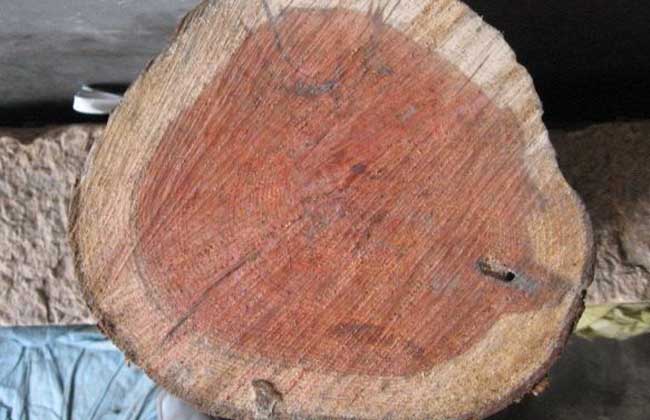
Yew (Taxus) is recognized worldwide as an endangered natural rare anti-cancer plant, with a history of 2.5 million years on Earth. Its heartwood is orange-red, its sapwood is pale yellowish-brown, the grain is straight, the texture is fine, it is firm and durable, and it cracks little after drying. It can be used for construction, vehicles, furniture, utensils, farm tools, and stationery. Now let us take a look at how much yew wood costs per ton!
How much is yew wood per ton?
The price of yew wood is roughly between 20,000 and 80,000 per ton, and the price ultimately depends on the size, specifications, and so on of the wood itself. Generally, yew of about 20 cm is about 70,000 yuan per ton, 14 to 18 cm is about 45,000 yuan per ton, and 8 to 12 cm is about 35,000 yuan per ton. However, the sale of yew wood is prohibited, and there is no public market price. Moreover, no matter the size, yew wood is not cost-effective when sold by cubic measure; by cubic meter it is 5,000 to 7,000 yuan per cubic meter, and the straighter and more defect-free it is, the more valuable it is.
Can yew wood be sold?
Yew wood cannot be sold. Yew is a first-class protected tree species in China. Under natural conditions, yew grows slowly and has poor regenerative capacity, so for a long time no large-scale yew raw material forest base has formed worldwide. In 1994, yew was designated by China as a first-class rare and endangered protected plant, and it is also called a “national treasure” by 42 countries around the world that have yew. The United Nations has also explicitly prohibited its harvesting, making it a veritable “plant panda”.
How to identify genuine versus fake yew wood
1. Wood with a slightly acidic smell may be genuine yew wood.
2. When the outer layer of genuine yew wood is scraped open, red irregular grain lines will appear.
3. Genuine yew does not color the water after soaking, while dyed counterfeit products turn the water red. The unscrupulous wood chips sold on the market will turn yellow or purplish-red after being soaked in hot boiling water.
4. Genuine yew has an obvious distinction between sapwood and heartwood: the sapwood is yellowish-white, and the heartwood is yellowish-brown or purplish-red-brown, with obvious annual rings.
5. Because yew contains paclitaxel, it is popularly believed that slices of its stems and trunks steeped in tea can treat cancer. The tea color is nearly colorless, so many merchants pass off dyed inkwood or other broadleaf trees as yew.