How much does a Japanese Spitz generally cost?
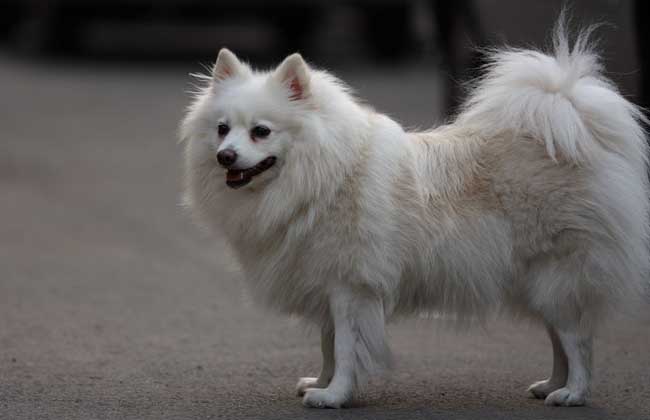
The Japanese Spitz is also known as the Japanese Spitz and the Japanese Pointed-Muzzle Dog, among other names, but its true origins can be traced back to the Spitz-type dog, a crossbred descendant of sled dogs from near the Arctic and Swiss native dogs. It was developed around the 13th year of the Taisho era in Japan by crossing and improving white German Spitz dogs with Japanese dogs, and was officially recognized as an independent breed in 1952. Now let us take a look together at how much a Japanese Spitz costs!
How much does a Japanese Spitz cost?
In an ordinary pet market, a Japanese Spitz that is not very pure can be bought for around 400 yuan, while a purer one in a pet shop generally costs around 500 yuan. In terms of color, a white Japanese Spitz is slightly more expensive, at around 400 yuan, golden is next at around 300 yuan, yellow is cheaper, usually under 200 yuan, and mixed colors are the worst, basically under 100 yuan.
Tips for choosing a Japanese Spitz
1. The head is broad and round, and the muzzle is relatively pointed but must not be too thin, similar to a fox.
2. The nose is relatively small, round and black.
3. The ears are set high, small and erect, triangular, and not far apart.
4. The eyes are relatively large, almond-shaped, dark in color, with black eyelids.
5. The neck is appropriately long with well-developed muscles.
6. The back is straight and short, the waist is broad, the chest is broad and deep, the abdomen tucks up naturally, and the front and rear body are muscular.
7. The tail is set high, of medium length, and carried up above the back.
8. The temperament is lively and must not be dull, and the coat is pure white with no mixed colors.
How to raise a Japanese Spitz
1. Feed Japanese Spitz puppies with puppy dog food or puppy goat milk powder. If the dog is too young, you can feed the puppy with dog milk powder, and add a little lactasin to the milk powder to prevent diarrhea caused by not adapting after changing food. Then slowly add dog food to the milk. Do not use cow's milk, because puppies generally get diarrhea after drinking it, and in severe cases it can cause dehydration.
2. Japanese Spitz puppies are naturally curious and will test any new object by smelling and biting it. Some simple measures should be taken: move fragile objects away, make sure the puppy cannot bite dangerous things such as electrical wires, and check whether all appliance power sockets are turned off. Chili oil can prevent puppies from biting things.
3. In the early days, the Japanese Spitz was mainly used for hunting, so they are naturally freedom-loving and also love to exercise. For a Japanese Spitz kept at home, the owner should often take it outdoors to exercise, walk and stroll, to satisfy the dog's need for exercise, while also training its body, strengthening its physique, enhancing its resistance, and preventing the harm of disease.
4. The Japanese Spitz has an elegant and beautiful appearance, with abundant hair that is fluffy and beautiful. When raising one, the owner needs to brush it regularly every day, remove dirt from the hair, and keep the hair white and clean. Especially after taking the pet dog out for a walk or exercise and returning home, it is even more necessary to clean it promptly. Groom the dog's coat, clean the dog's toenails, remove dust and dirt, and keep the Japanese Spitz's beautiful appearance and clean body.
5. The feed fed to a Japanese Spitz every day must contain 250 to 300 grams of meat, and then be paired with some equal amount of dry vegetarian material or biscuits. Of course, the prepared meat food should be lean meat with relatively low fat content, and it needs to be cooked in clear water and torn into shreds before being fed to the Japanese Spitz. At the same time, prepare sufficient and fresh drinking water for the dog to ensure its water needs.
6. When feeding a Japanese Spitz, it is best to feed it at fixed times and in fixed amounts every day, and limit the dog to eating for about 20 minutes. Once the time has passed, the food should be taken away regardless of whether the dog has finished eating, so that the dog develops good eating habits. After eating, the owner should promptly clean the dog's dishes and disinfect them to prevent the dog from being harmed by parasites and bacteria and avoid disease.