How much does a Dachshund cost? A comprehensive analysis of the price market
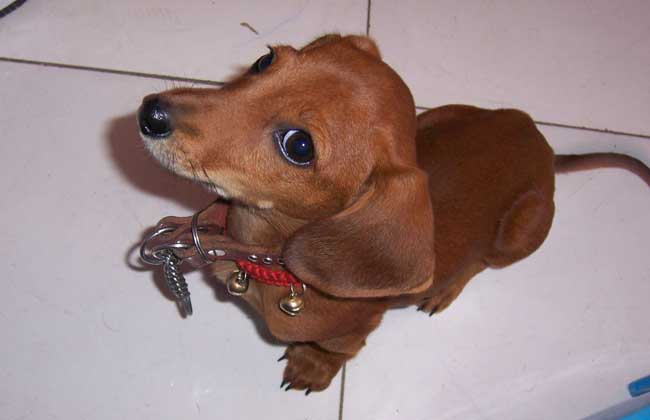
The Dachshund is a short-legged, long-bodied hunting dog. Its name originates from Germany, where it originally meant "badger dog." This breed was developed to scent, track and kill badgers and other burrowing animals. Among all dog breeds, it is relatively easy to keep, because its naturally independent nature makes it easy to care for, and it quickly understands and obeys the owner's commands. Let's take a look below at how much a Dachshund costs!
How much does a Dachshund cost?
The price of a Dachshund mainly depends on the purchasing channel. Puppies born to Dachshunds kept by private individuals are much cheaper, basically 200-500 yuan each. Buying from a pet shop or a dog farm costs much more, at 400-1200 yuan each, and if a pedigree certificate is required, it costs 800-1200 yuan each. At the same time, the price of a Dachshund is also related to some extent to the breed line; purebreds cost more than mixed breeds. Therefore, when choosing a Dachshund, everyone must make their choice according to their actual financial capacity, and of course also take their own preferences into account.
How to keep a Dachshund
1. Diet management: The Dachshund is a carnivorous animal, so the owner can regularly prepare some fresh meat for it. Of course, raw meat must not be fed; the meat must be cooked and chopped. Secondly, the best food is dog food, which contains all the nutrients a Dachshund needs to grow. It is perfectly fine to feed it entirely on dog food, and appropriately feeding some other foods is also quite acceptable. When feeding, the owner must remember to provide the Dachshund with clean drinking water, and never forget it.
2. Moderate exercise: Because of its physical characteristics of short legs and a long body, the Dachshund easily becomes fat. Appropriate exercise can ensure the Dachshund's healthy growth and also helps it resist disease. When free, the owner can often take the dog out for a walk, letting it run and roll freely on the lawn.
3. Coat care: The Dachshund's coat is not long and does not need combing; the best method is brushing. Regular brushing helps promote metabolism and makes the coat smoother and shinier. It should also be bathed regularly to clean away bacteria hidden in the coat.
4. Living environment: The place where a Dachshund is kept must be kept clean and dry, and the owner should clean it regularly. The kennel should also preferably be in a sunny, well-ventilated place. The kennel does not need to be very large, because the Dachshund stays in the kennel only when resting; normally it prefers to move around everywhere.
Precautions for keeping a Dachshund
1. Meals are best given at fixed times and in fixed amounts. Do not let the Dachshund go one meal hungry and the next full, as this easily leads to indigestion.
2. The diet must be fresh and clean. Expired, spoiled or rotten food must be strictly avoided.
3. When the seasons change, pay attention to regulating the temperature of the kennel. Do not let the temperature difference change too much, as this easily causes the Dachshund to catch a cold.
4. Drinking water is very important for the healthy growth of the Dachshund, and the owner must always ensure that drinking water is provided.
5. The Dachshund is a very loyal dog that depends greatly on its owner and longs for the owner's affection, so owners should take more time to accompany their dog.
How to train a Dachshund
1. Walking training: When taking the dog for a walk on a leash for the first time, put a collar on it. Generally, it is suitable if two fingers can fit between the neck and the collar. The correct way to walk the dog is to let the dog stay on the owner's left side, not let the dog pull you along, and you should keep the leash tight. Once the dog gets used to it, it will not run around randomly even without a leash.
2. No random barking: Dogs barking randomly is indeed a nuisance. At first, when you do not want the dog to bark, shout "Don't bark" at the dog, making it stop barking immediately. If this is ineffective, roll up a newspaper tube and hit it; this training method is relatively effective.
3. No jumping up: To show affection, dogs have the habit of jumping up at their owner at great speed. This behavior sometimes messes up clothes and is annoying. When guests visit, if the dog jumps up at them, it frightens the guests and embarrasses the owner. The way to correct this is, toward the dog that jumps up, say "No" while touching the dog's nose with your hand. After repeating this several times, the dog will learn its lesson and stop jumping up.
4. Meal training: Feeding the dog must be done in a fixed place, at a fixed time and with fixed utensils, and the dog must learn to eat only after the owner permits it. First place the utensil containing food in front of the dog, press its body down to sit, and if the dog does not obey the command and immediately wants to eat, you must immediately pick up the utensil and wait until it adopts a waiting posture, then say "Okay," and let it begin eating.
5. Sit training: Put your hand on the dog's lower back and press down, saying "Sit, sit" while pressing. After the dog sits, move a certain distance away from it, give the "Sit" command, and at the same time extend your hand horizontally downward. Repeat several times. After the dog is proficient in this action, merely signaling with a hand gesture will work without giving a command.