How much does a Whippet cost? Market price reference
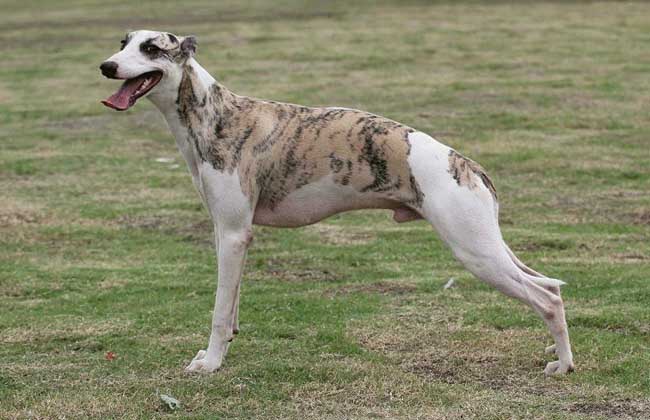
The Whippet is a true sporting sighthound, also known as the Whippet, and the rabbit-hunting dog, among other names. It originated in England, with most now found in Russia. It can cover the greatest distance with the fewest movements, giving an impression of beauty and harmony, well-developed muscles, strength and power, and an extremely elegant and graceful appearance. Let us take a look below at how much a Whippet costs!
How much does a Whippet cost?
The average price of a Whippet is around 3000 yuan each, though of course this does not represent the actual price, because the price is affected by many factors and is itself unstable. There are now many Whippets on the market, hard to tell genuine from fake, and prices vary widely, which gives many people a headache. In fact, once you comprehensively consider the influence of various factors on the price when buying, you will already have the answer in your own mind.
How to keep a Whippet
1. The daily feed for a Whippet should include 350-400 g of meat, plus the same amount of dry vegetarian material such as oatmeal. First cook the meat, chop it up, mix it well with the cooked vegetarian food, and then feed it. The food provided must be just the right amount: too little and it will not eat its fill, will not grow well, and will lose its healthy and lively appearance; too much and there will be excess energy, it will become fat and heavy, which will also affect its health and appearance. At the same time, provide plenty of clean drinking water every day.
2. A Whippet's utensils, such as food bowls and mixers, should be cleaned every day. Leftover food from the previous meal must not be fed at the next meal, and strict attention must be paid to cleanliness and hygiene. The kennel should be chosen in a clean, secluded and dry place, cleaned once every two days, and disinfected regularly.
3. The Whippet's coat is short, so grooming is not burdensome; you can brush it once every other day, but after each brushing wipe it down with a soft dry towel to remove dust and dirt from the body. Bathe your dog regularly; in summer when the weather is hot, the number of baths should be increased appropriately. Remove earwax and tartar every 3-5 days. Also wash their eyes regularly with warm boiled water to prevent eye infections.
4. From the day the puppy is brought home, the Whippet should be disciplined and trained so that it obeys the owner's commands and directions, and understands that it must not use its teeth or claws to damage curtains, clothes, tablecloths, sofas and other items in the home. In particular, it should be taught to develop good cleaning and hygiene habits, keep its coat clean, avoid soiling itself, and not relieve itself anywhere.
5. The Whippet has Italian Greyhound blood; although its disease resistance is relatively strong, you must ensure it gets enough exercise every day so that it can grow up healthily. During the keeping process, always pay attention to your dog's health, such as its mental state, appetite, bowel movements, nose pad moisture and body temperature. Once any abnormality is found, it should be examined and treated immediately.
Key points for choosing a Whippet
1. The head is long and lean, the skull flat, the muzzle long and tapering, the lips tightly closed, the upper and lower jaws strong and powerful, with a scissors bite.
2. The nose is black, though some have a nose the same color as the coat.
3. The ears are small and thin, rose-shaped, often held close to the back, and become semi-erect when alert.
4. The eyes are set close together, large and round, with an alert and intelligent expression, and are dark brown.
5. The neck is fine and elegant, graceful and attractive, square in shape. The neck is fairly long, with an inward-curving line, forming a streamlined shape. The skin is not loose.
6. The body is long, slightly arched, the chest deep and long, the back long and arched. The back is not wide, solid and muscular, the abdomen tightly tucked up, offering little resistance when running.
7. The limbs are long and powerful, with a good standing posture; the forelimbs are straight, the hind legs arched, muscular and full of explosive power. The feet are round with thick, firm pads, mostly hare-shaped or cat-shaped feet.
8. The tail is long and tapering, often tucked between the legs and extending forward, sabre-shaped.
9. The coat is short and dense, fine and soft in texture, smooth and glossy.
10. There are many coat colors, such as red, light brown, black, golden, blue, brindle and white, etc. Some are solid-colored, and some are combined colors.
11. When walking, its stride is long, the gait soft, relaxed and free; when sprinting, it is extremely fast.
12. Those with a large round head, a short thick muzzle, large ears, a short neck, short thick trunk and limbs, or a thick upward-curving tail are mostly crossbred and not suitable for selection.