How much is cassia bark per jin? Market price analysis
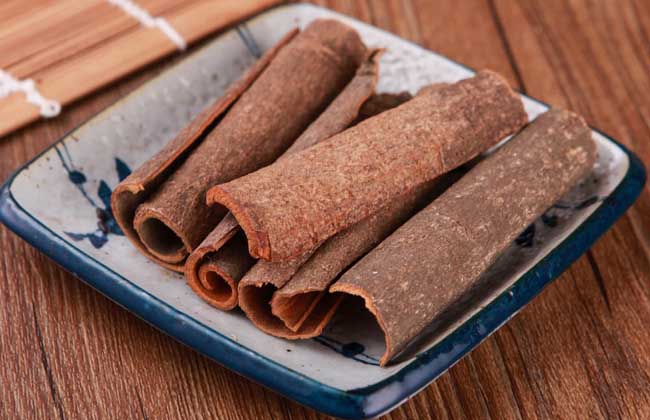
Cassia bark is also known as rougui, guangui, xianggui and so on. It is the general term for the bark of trees in the genus Cinnamomum of the family Lauraceae, such as Cinnamomum japonicum, Cinnamomum burmannii, Cinnamomum subavenium, Cinnamomum cassia or Cinnamomum szechuanense. It is produced in Guangdong, Fujian, Zhejiang, Sichuan and other provinces in China. It is used as an aromatic seasoning, and cassia oil can also be extracted from it, making it an important spice in the food industry. It is also used in medicine. Now let us take a look at how much cassia bark costs per jin!
How much is cassia bark per jin?
The market wholesale price of cassia bark is about 7 to 10 yuan per jin. Cassia bark is a commonly used traditional Chinese medicine and also a food spice or cooking seasoning. The original plants of commercial cassia bark are rather complex, about ten or more species, all plants of the genus Cinnamomum in the family Lauraceae. Eight species are commonly used in various places, among which the main ones are Cinnamomum cassia, Cinnamomum obtusifolium, Cinnamomum burmannii and Cinnamomum austrosinense; other species are mostly used as regional medicines. Various varieties were used as spices in ancient Western times. In Chinese cuisine it is used to season stewed meat and is one of the ingredients of five-spice powder. It is one of the spices earliest used by humans.
How to tell good cassia bark from bad
1. High-quality cassia bark: High-quality cassia bark has fine skin and thick flesh, a grayish-brown outer surface, a smooth cross-section, purplish-red color, high oil content, a strong aroma, a sweet and slightly pungent taste, little residue when chewed, and a strong cooling sensation.
2. Inferior cassia bark: Inferior cassia bark is dark brown, loose and crumbly in texture, makes no sound when broken, has a weak aroma and a faint cooling sensation. If the cross-section is serrated, it may be bark passed off as cassia.
Medicinal effects of cassia bark
1. Warming the kidneys and strengthening yang: Cassia bark has the effect of warming the kidneys and strengthening yang. It can be used for aversion to cold, cold limbs and cold painful waist and knees due to kidney yang deficiency, and can also be used for deficient asthma and reversed qi due to the kidneys failing to grasp qi.
2. Warming the middle and dispelling cold: Cassia bark has the effect of warming the middle and dispelling cold. It can be used for cold pain in the stomach and epigastrium due to deficiency cold of the spleen and stomach, as well as abdominal pain and diarrhea, and is often used together with dried ginger and prepared aconite.
3. Warming the meridians and relieving pain: Cassia bark has the effect of warming and unblocking blood vessels and dispelling cold to relieve pain. It can be used for dysmenorrhea and limb pain caused by cold coagulation and qi stagnation.
4. Promoting blood circulation: Cassia bark can promote blood circulation and is often used for people who are weak after long illness and have qi and blood deficiency. It can also be used for postpartum recovery, effectively improving symptoms such as incomplete lochia discharge, stasis abdominal pain and stabbing pain in the heart and abdomen. If eaten together with hawthorn, it can enhance the effect of promoting blood circulation, and has significant therapeutic effects on dysmenorrhea and menstrual disorders caused by uterine cold.
How to eat cassia bark
1. Cassia bark porridge
[Ingredients] Japonica rice, cassia bark, brown sugar.
[Method] Rinse the japonica rice clean, soak for half an hour, then remove and drain well for later use. Wipe the cassia bark clean and crush it. Put cold water and cassia bark into a pot, bring to a boil for about 20 minutes, then strain to obtain a concentrated juice. Wash the pot clean, add cold water and japonica rice, and first bring to a boil over high heat. Then switch to low heat and simmer until the porridge is nearly done. Add the concentrated cassia bark juice, continue cooking until the porridge is done, then add brown sugar and eat.
2. Mutton and cassia bark soup
[Ingredients] Cassia bark, mutton.
[Method] Put 6 grams of cassia bark into about 1 jin of stewed mutton. After it is stewed, whether you eat the meat or drink the soup, it can warm the middle and strengthen the stomach, warm the waist and knees, and treat cold abdomen and gas bloating.
3. Cassia bark powder
[Ingredients] Cassia bark.
[Method] Grind 3 grams of cassia bark into a fine powder and take it with warm water twice a day. It can treat stomach gas bloating and cold stomach pain. Adding cassia bark powder to dishes when cooking can help control blood sugar and cholesterol.
4. Cassia bark and brown sugar tea
[Ingredients] Cassia bark, brown sugar, hawthorn flesh.
[Method] Take 3 to 6 grams of cassia bark and 12 grams of brown sugar, decoct in water and remove the residue, then take the liquid warm in 2 divided doses. It can treat postpartum abdominal pain in women. Before menstruation, take 3 grams of cassia bark, 9 grams of hawthorn flesh and 30 grams of brown sugar, decoct in an appropriate amount of water for three to five minutes, and take it in 2 divided doses. It can treat abdominal distension and pain at the onset of menstruation.