How much does a Doberman Pinscher cost? A detailed introduction to market prices
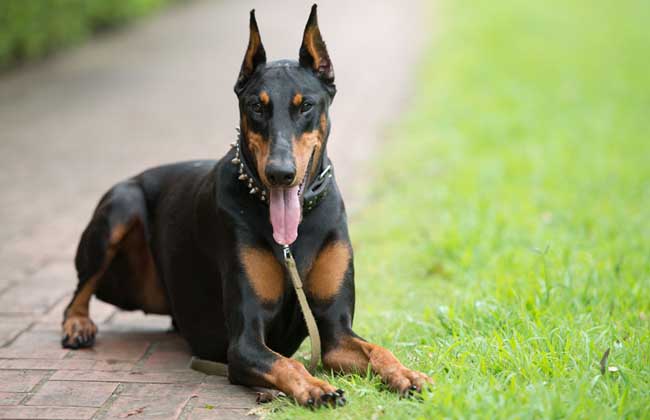
The Doberman Pinscher originated in Germany and was named after the man who bred the line, Mr. Louis Dobermann. Among all breeds, it is one of the most intelligent, with the finest body structure and the noblest temperament. It is a dog used for both military and police purposes, and some people in China also use Dobermans with uncropped ears and undocked tails as hunting dogs. Now let us take a look at how much a Doberman Pinscher costs!
How much does a Doberman Pinscher cost?
Reference prices by city: In Hangzhou, an ordinary puppy costs 500 to 1000 yuan, and a purebred puppy costs 1600 to 2500 yuan. In Qinhuangdao, an ordinary puppy costs 800 yuan, and a purebred puppy costs 1300 yuan; an ordinary adult female costs 2000 to 3000 yuan, and a purebred adult male costs 5000 to 5500 yuan. In Beijing, a purebred puppy costs 2500 to 3500 yuan, and a show-class puppy costs 5000 to 8000 (already vaccinated), while a purebred adult male costs 4600 yuan. In Shanghai, an ordinary puppy costs 500 to 1200 yuan, and a purebred puppy costs 2500 yuan. In Yueyang, an ordinary puppy costs about 400 to 900 yuan. In Tianjin, an ordinary puppy costs 5500 to 1500 yuan, and a purebred puppy costs 3500 yuan. In Foshan, a purebred puppy costs about 1600 to 1800 yuan.Note: Besides breed, the selling price of a Doberman Pinscher is also closely related to its bloodline, whether it is show-class, whether its various physical standards conform to the regulations of the relevant breed club, and whether it is healthy. Although all belong to the Doberman Pinscher breed, there is still a big difference in the selling price of each individual dog.
Tips for choosing a Doberman Pinscher
1. Head: It should have a wedge-shaped head, clean and neat. The cheek skin and so on should be neither too long nor too short, and it is enough if it can cover the lower lip. The stop should be fairly distinct, and the nose line should be parallel to the forehead line. The muzzle should be wide, so that the bite force can be increased. It has a pair of almond-shaped eyes.
2. Chest: It should have a certain depth and should reach the elbow joint. Basically, the length from the withers to the elbow joint and the length from the elbow joint to the ground are in a 1:1 ratio. The chest should also have a certain width, looking like a goose egg in shape. At the same time, the chest should protrude a little forward; this is due to the bone structure, not acquired through later training.
3. Forequarters: Everyone knows that the shoulder blade should form a 45-degree angle with the ground, and the measuring method is: naturally open one palm, keep the four fingers naturally together, relax and open the thumb and place it on the Doberman Pinscher's ribs, make the four fingers parallel to the ground, and place the thumb at the top of the shoulder blade. According to the shoulder position of different dogs, you can measure how far the shoulder position deviates from a 45-degree angle.
4. Ribs: The back should be as flat as possible. At the rear part of the spine on the back there is a horizontal bone called the croup bone. Behind the croup bone is the rump bone. The longer the rump bone, the more muscle attaches to it, and the fuller the thigh will be.
Feeding and management of the Doberman Pinscher
1. Ensure exercise: The Doberman Pinscher was originally a herding dog and likes to move, so when kept at home it should be ensured sufficient exercise. This lively little dog very much likes playing and catching games. They are generally very friendly to children and other pets.
2. Do not change owners midway: The Doberman Pinscher is strong in build, full of energy, cheerful, easily excited and a little neurotic, sharp in perception, proud and arrogant, loyal to its owner, and suspicious of strangers. It is best not to change it to a new owner midway, otherwise it will not easily obey the new owner's commands for a long period of time.
3. Train from puppyhood: The Doberman Pinscher often barks, so it should be trained from puppyhood so that it can develop the habit of not barking randomly. It should also be trained not to scratch and damage household items with its paws, and to pay attention to hygiene, love cleanliness, and defecate regularly, and so on.
4. Hygiene and cleanliness: Both feed and water must be clean and hygienic. Tableware such as the pet dog's food bowl should be washed clean in time and disinfected regularly to prevent infection from unhygienic food and drink. The temperature of the food fed must not be higher than the dog's body temperature, otherwise it will burn the mouth and digestive organs.
5. Feed and matching: The Doberman Pinscher's daily feed must include 250 to 300 grams of meat, plus an equal amount of vegetarian material or biscuits. Both the meat and the dry vegetarian material need to be cooked first and chopped, then mixed evenly with a small amount of water before feeding. It should also be given drinking water 2 to 3 times a day. A small amount of salt can be added to the food to increase its flavor.