How much is winter jujube per jin? Market price analysis
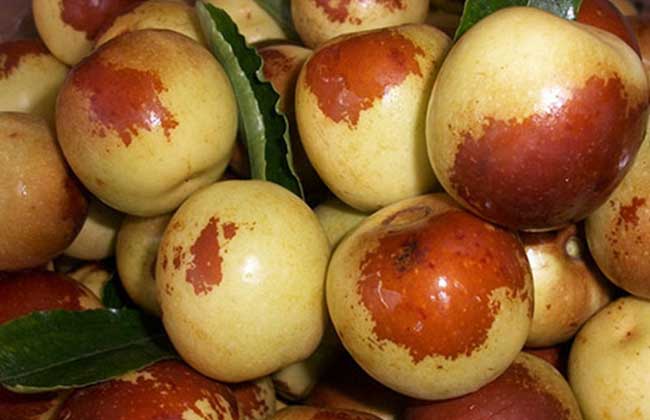
Winter jujube is a late-maturing excellent fresh-eating variety of the thornless jujube tree. In recent years, market demand has exceeded supply, with the general price around 5 to 15 yuan per jin, and at its highest reaching 180 yuan per jin. It has extremely high economic value, and vigorously developing winter jujube production can yield relatively high economic, ecological and social benefits. Let us take a look below at how much winter jujube costs per jin!
How much is winter jujube per jin?
The price of winter jujube varies from year to year, generally around 5 to 15 yuan per jin. The price of winter jujube is determined by the winter jujube wholesale market. When it first hits the market, the price is a little more expensive, and then the price falls as winter jujubes flood the market. Overall, the recent price fluctuation of winter jujube has not been very large.
How to select winter jujube
1. Look: normal jujubes have no obvious boundary between the green and red areas on the skin, while saccharin jujubes have a clear boundary between the green and red areas on the skin.
2. Touch: normal jujubes have a smooth and hard skin, while saccharin jujubes feel somewhat sticky on the outer skin and are softer than natural jujubes.
3. Taste: normal jujubes are sweet both inside and out, while the sweetness of saccharin jujubes is mostly on the skin of the jujube, and a careful taste will reveal a bitter flavor.
4. Storage: normal jujubes can be kept for a few days in a cool, dry place without any problem, while saccharin jujubes have their cells destroyed during soaking and rot extremely easily.
Nutritional value of winter jujube
1. Winter jujube is rich in vitamin C and vitamin P, and contains relatively large amounts of vitamin A, vitamin E, as well as various trace elements such as potassium, sodium, iron and copper. It is very beneficial for strengthening capillaries, maintaining the elasticity of blood vessel walls and resisting atherosclerosis.
2. Winter jujube contains rutin, and rutin is an effective drug for treating hypertension.
3. The cyclic adenosine monophosphate richly contained in winter jujube is an important physiologically active substance that participates in many physiological activities in the human body. It can regulate the immune system and has the effects of enhancing myocardial contractility, protecting the coronary arteries, lowering cholesterol and inhibiting the proliferation of cancer cells.
4. Winter jujube is rich in sugars, vitamin C and cyclic adenosine monophosphate, among others, which can reduce the damage caused by various chemical drugs to the liver, promote the liver's synthesis of protein, increase serum albumin content, adjust the ratio of albumin to globulin, and lower serum alanine aminotransferase levels.
Dietary contraindications for winter jujube
1. Frequently eating winter jujube on an empty stomach may lead to gastric stones
2. Winter jujube should not be eaten at the same time as animal liver.
3. Winter jujube should not be eaten at the same time as vitamins.
4. Winter jujube should not be eaten together with cucumber or radish.
5. Winter jujube is best not to be decocted in water.
6. Do not immediately eat high-protein foods after eating winter jujube.
7. Eating winter jujube is contraindicated when taking antipyretic drugs.
8. Winter jujube should not be eaten when taking bitter stomachic drugs or carminative stomachic drugs.