How much does a Great Pyrenees cost? A detailed look at market prices
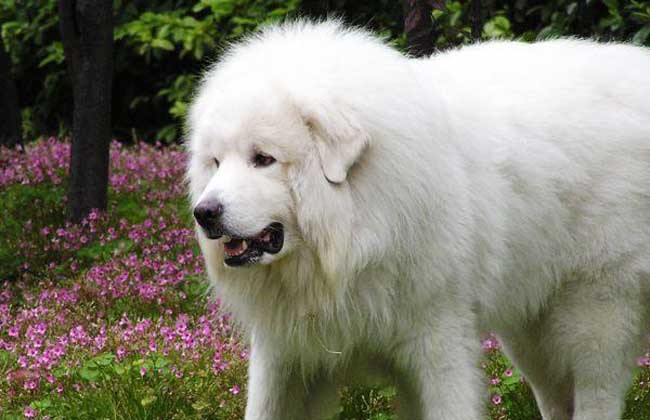
The Great Pyrenees is one of the most powerful dog breeds today. Also known as the Pyrenean Mountain Dog, it has a sturdy yet well-proportioned body, is beautiful and elegant, majestic and imposing, with a regal bearing. It is full of confidence, gentle and friendly, calm and patient, strongly responsible, loyal and brave, and can loyally stand its post under all kinds of climate conditions. Let's take a look below at how much a Great Pyrenees costs!
How much does a Great Pyrenees cost?
Pet market prices (yuan/dog): Ningbo purebred price around 1400-1600, and some breeders sell at around 1000. Shanghai prices are relatively cheap, and breeds are more mixed, so you can buy one for around 850, while purebreds are generally around 1500. Beijing is generally around 1000-1500. Guangzhou: Guangzhou Great Pyrenees prices rank first in the country, with purebred Great Pyrenees priced around 1800-2400.Note: The national average price of a Great Pyrenees is around 1200 each. There is a big difference between purebred and non-purebred dogs, and they are easy to tell apart, so the price of a Great Pyrenees is generally above 1000. The price of a Great Pyrenees with a somewhat mixed breed will be relatively lower, and you can buy one for around 600 yuan.
How to choose a Great Pyrenees
1. Look at the eyes: medium-sized, almond-shaped, slightly slanted, dark brown. The eyelids are tight, and the eye rims are black (key point).
2. Look at the ears: small to medium-sized, V-shaped, with tips that are not round, set at eye level, usually hanging down and lying flat against the cheeks. There is a line formed by hair from the outer corner of the eye to the base of the ear.
3. Muzzle: The muzzle is almost the same length as the skull, the width and length of the skull are almost equal, the muzzle and skull connect smoothly, the cheeks are flat, and there are a few wrinkles between the eyes.
4. Mouth and nose: The bridge of the nose is not clearly outlined, the lips are tightly closed, the upper lip just covers the lower lip, the lower jaw is strong, the nose and lips are black, a scissors bite is ideal, and a level bite is acceptable.
5. Feet: The toes of the hind legs turn slightly outward. This kind of hind leg (cow hock) is unique to this breed and is not a fault. The feet are the same as the front feet, round, compact, with thick pads and rounded, arched toes.
How to raise a Great Pyrenees
1. Provide the Great Pyrenees with a spacious and comfortable living environment. Just think, after all, the Great Pyrenees has a fairly large body. If you give it a small doghouse, it probably will not sleep comfortably either.
2. Prepare enough and rich food for the Great Pyrenees. Of course, the diet should focus on health. Feeding it at fixed times and in fixed amounts every day is necessary, and the food prepared should be diversified. Professional dog food, cooked meat, fresh vegetables, etc. should all be reasonably combined. What must be noted is that while meeting the Great Pyrenees' growth needs, obesity must definitely be avoided.
3. Take the Great Pyrenees out for activities. Walking the dog every day is a must, and in leisure time on weekends it is best to keep taking the Great Pyrenees outdoors for exercise once a week. Activities such as running and jumping are all fine.
4. In raising a Great Pyrenees, besides diet, housing, and exercise, daily care is also crucial to the Great Pyrenees' health. To put it simply, brushing teeth, combing hair, bathing, removing ear mites, trimming toenails, and so on are all included in the care work.