How much does a teacup cat cost? A detailed analysis of market prices
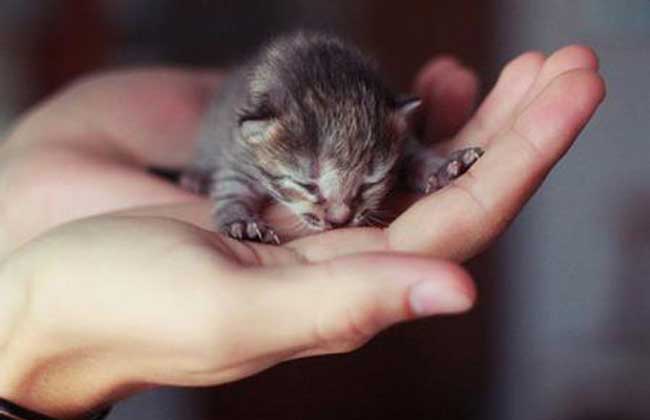
The teacup cat is a miniature cat, a cat the size of a teacup, one that can even be placed inside a teacup. Its body size is usually only 1/3 to 1/2 that of an ordinary cat, and its lifespan is relatively short. It is not recognized internationally; it is merely a tiny kitten, not a precious breed, nor is it recognized by any professional organization. Let us take a look below at how much a teacup cat costs!
How much does a teacup cat cost?
The price of a teacup cat is generally above 5000, and a healthy teacup cat with good physical condition and other indicators can reach over 10,000 yuan. The price of a teacup cat is closely related to its size; naturally, the more miniature and smaller it is, the more expensive it naturally is. However, the teacup cat is merely bred by exploiting genetic defects in cats, its physical condition is not very good, and generally it does not live very long, so even if you can buy one at a high price, keeping a teacup cat is not recommended.
What is the lifespan of a teacup cat?
So far there is no exact data on the lifespan of the teacup cat, but it is certain that it is much shorter than that of an ordinary cat. The reason for this may be genetic diseases and genetic defects caused during the breeding process. So in the process of breeding teacup cats, certain genes and functions of the cat must have been sacrificed to make an adult cat only the size of a teacup, and it is precisely for this reason that the teacup cat's lifespan is shorter than that of an ordinary cat.
How to choose a teacup cat
1. Before buying a teacup cat, please refer to materials describing the physical characteristics and traits of this breed of cat. Once you have a clear picture of this kind of cat in mind, you can avoid choosing blindly.
2. The appearance should be neat, lively and full of energy, with agile movements; when held in the hand, it should feel heavier than expected.
3. Open its mouth and look: the oral cavity, gums and tongue should be light red, the teeth should bite together normally, and there should be no particular abnormal odor.
4. The cat's ears should be clean and free of secretions. If the cat constantly scratches its ears or shakes its head, it may already be infected with ear mites.
5. The nose tip should be slightly red, moist and glossy; the back of your hand should feel that the tip of the nose is relatively cool and moist, and there should be no nasal discharge or secretions around the nostrils.
6. The eyes should be clear and bright, with no secretions at the corners, and the third eyelid should not be visible at the corners of the eyes (when many cats become ill, the third eyelid is the first thing to appear).
7. The body should be moderately developed, with firm muscles; the limbs should be thick but not bent, walking should be normal, and when you pull at the legs and paws with your hand, the reaction should be strong.
8. The abdomen should be slightly round, and you should not be able to feel the ribs by touch. If the cat's abdomen is distended, it may be a symptom of roundworm infection or peritonitis; a slightly protruding belly in a kitten is normal.
9. The hair around the anus should be clean, and there should be no stains at the anal opening.
10. A healthy kitten's coat should be glossy, fluffy and stand upright. If a kitten's coat is messy and lacks luster, it means it has already been infected with a disease or has just recovered from an illness not long ago, and such a cat is best not chosen.
11. It should respond immediately when it hears a sound, show a desire to play when teased, and have a strong appetite when it smells meat.