How much is pineapple strawberry per jin? An introduction to market prices
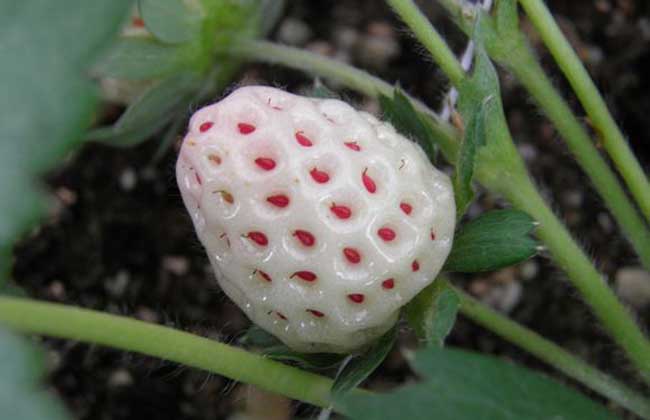
Pineapple strawberry is a variety of strawberry, with an appearance very similar to strawberry, white flesh, and covered with red spots on the outside. It has the same genetic makeup as strawberry and very high nutritional value. Regular consumption has the benefits of strengthening the spleen and stomach and supplementing vitamin C. Eating pineapple strawberry after meals helps digestion. Now let us take a look at how much pineapple strawberry costs per jin!
How much is pineapple strawberry per jin?
The picking price of pineapple strawberry is about 80 to 300 yuan per jin. Pineapple strawberry originated in South America and was brought to Europe by a Dutch farmer for cultivation and commercial sale, otherwise it might have already become extinct. Pineapple strawberry is currently in the promotion stage. In the UK, a 125-gram box of pineapple strawberry sells for 3.99 pounds (about 44.5 yuan). Pineapple strawberry is generally sold in large supermarkets in China. Only three companies in China cultivate it, and pineapple strawberry once appeared at the Shuangliu County Winter Strawberry Picking Festival.
How to choose pineapple strawberry
1. Shape: Normally grown pineapple strawberry has a heart-shaped appearance, with evenly distributed small red pineapple strawberry dots on the surface. Ones that are too large and overly plump should not be bought, and do not buy abnormally shaped deformed pineapple strawberry.
2. Color: When selecting pineapple strawberry, try to choose ones whose whole fruit is fresh white and uniform, bright in color, and glossy. It is not advisable to buy fruit that is not fully white or fruit that is half white and half green.
3. Surface: The calyx leaves of pineapple strawberry are fresh green, with fine fuzz, a bright surface, and no damage or rot. Some pineapple strawberry are bright in color and large in size, with abnormal protrusions on the grains, and after biting open they are hollow in the middle. This kind of deformed berry is often caused by the abuse of hormones during cultivation, and long-term large consumption may harm human health.
The edible value of pineapple strawberry
1. Pineapple strawberry is a plant rich in tannic acid, which can adsorb and block the absorption of carcinogenic chemicals in the body and has an anti-cancer effect.
2. The carotene contained in pineapple strawberry is an important substance for synthesizing vitamin A and has the effect of improving eyesight and nourishing the liver.
3. Pineapple strawberry contains a substance called aspartic acid, which can remove “mineral waste” from the body.
4. Pineapple strawberry contains pectin and rich dietary fiber, which can help digestion, promote gastrointestinal peristalsis, improve constipation, and prevent the occurrence of hemorrhoids and intestinal cancer.
5. Pineapple strawberry contains a substance called bromelain, which can dissolve fibrin and blood clots blocking tissues, improve local blood circulation, and eliminate inflammation and edema.
6. Regular consumption of pineapple strawberry has health-care effects on the skin and hair.
7. Pineapple strawberry contains a substance called “bromelain”, which can break down protein. Eating some pineapple strawberry after eating meat or greasy food is very good for the body.
Dietary contraindications of pineapple strawberry
1. It is not suitable for people with wind-heat cough, sore and swollen throat, or hoarse voice.
2. It is not suitable for people who feel restless, hot, and dry-mouthed in summer or who have watery diarrhea.
3. Cancer patients, especially those with nasopharyngeal cancer, lung cancer, tonsil cancer, or laryngeal cancer, are especially unsuitable to eat it.
4. People with excessive phlegm-dampness, slippery intestines and loose stools, or urinary tract stones should not eat much of it.
5. Pineapple strawberry contains an oxalic acid-like substance, which can lead to poor development of capillaries in the fetus of pregnant women. Although it has a certain effect on brain development, pregnant women should still eat less of it.