How much does a Pekingese cost now?
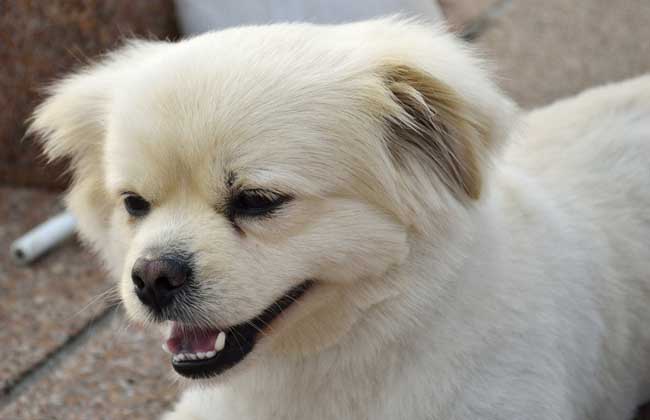
The Pekingese, also known as the palace lion dog, Fu dog, lion dog, palace lion dog, and so on, has a history of four thousand years. At present, the Pekingese has become one of the most widespread companion and ornamental pets in the country. Among the ornamental pets owned by city residents, the number of Pekingese kept has reached a considerable proportion, conservatively estimated at more than 30% of the total number of dogs kept. Let us take a look together below at how much a Pekingese costs!
How much does a Pekingese cost?
A Pekingese costs 1000 to 3000 yuan each. The Pekingese is a dog breed of our country, so its price is not very high. An ordinary common breed costs around 1000 yuan, one with slightly better appearance is about 1500, and the price of a purebred Pekingese will not exceed 3000 yuan. The Pekingese is small in size and its price is also very cheap, so keeping one as a pet dog is more than suitable; it places no high demands on the owner and does not create financial pressure either.
How to choose a Pekingese
1. The head of a standard Pekingese is large and wide, and the face should be flat and fairly broad. Note that if the head is too round, this is a bad sign.
2. A healthy Pekingese has a very sturdy physique; when you touch its body with your hand, the muscles are compact and firm. The whole body structure is very compact, and it looks very spirited and full of vitality.
3. A standard Pekingese has a relatively short and fairly broad nose bridge, and a straight mouth. Those with a crooked mouth, exposed teeth, or a protruding tongue are all bad signs.
4. A standard Pekingese should also have broad shoulders and chest, with the front legs being short and curved inward, and the hind legs slender, straight and strong. The body coat should be dense and long, as well as soft, neat and glossy. Those Pekingese with short, messy hair and signs of shedding should not be chosen.
5. A healthy Pekingese has a clean body, with the ears and anal area clean and free of dirt. The overall impression a Pekingese gives you should be elegant, beautiful, clean, healthy and full of energy.
Feeding and management of the Pekingese
1. Environment: To let the Pekingese adapt to a new environment faster, before it arrives you should first create a warm and comfortable living environment for it. You need to first prepare a doghouse, a sleeping mat, and other daily necessities for the Pekingese. Create a safe and comfortable little nest for the Pekingese.
2. Feeding: To ensure the Pekingese has enough nutrients to maintain its body's growth, owners should prepare more nutritious food that is easy to absorb and digest for the Pekingese. Feed it reasonably at fixed times and fixed places every day. When it is a puppy, you can feed it a little more appropriately, but once it reaches adulthood, you should feed it in appropriate amounts.
3. Grooming: The Pekingese's coat is relatively long, so you should often help them brush their coat, and regularly take them to the hospital for vaccinations, of course only when they are in good health. You should also deworm them on time against internal and external parasites, which can prevent them from loss of appetite or some problems caused by parasites.
4. Bathing: Generally, bathing a puppy should be done after 2 months, and the dog should be bathed within two weeks of being vaccinated. Note that owners should train the Pekingese to relieve itself in a fixed place when it is young, and to eat and sleep in fixed places. Let the pet dog develop good living habits from a young age, so it can get along harmoniously with the family.
5. Training: The best training period for a Pekingese should be around 70 days after the puppy is born. What is most needed for training a Pekingese is patience. Although you do not need to arrange too much time every day, you must proceed step by step and not be too impatient. When starting training, you should first let it become familiar with the relevant commands, and then start with simple training content. A young Pekingese has not yet developed bad habits, and its strength is relatively weak, which makes it easier for the trainer. After the dog is born for 1 year, it can reach adulthood, and its physical strength also increases quite a bit. If you want to train it again at this stage, it will take a certain amount of physical effort and also require a certain amount of patience.