What is the latest market price of Poria per jin?
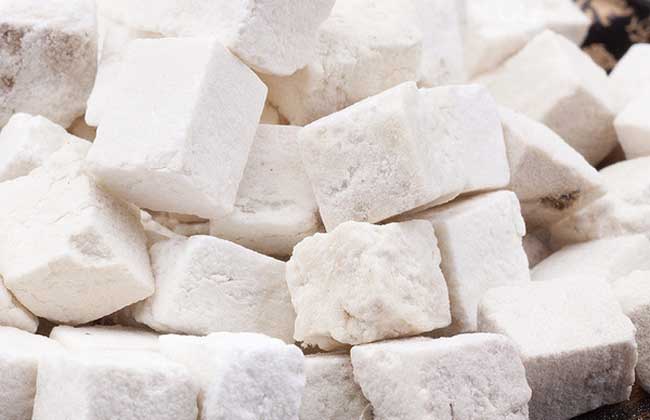
Poria, commonly known as Yunling, Songling, or Fuling, is a fungal plant that parasitizes the roots of pine trees. Its outer skin is dark brown, and the inside is white or pink. It mostly parasitizes the roots of Masson pine or Japanese red pine. The ancients called it the "divine medicine of all four seasons" because its effects are extremely wide-ranging and it is not limited to any season. Now let us take a look at how much Poria costs per jin!
How much is Poria per jin?
The market price of Poria is not very expensive. The wholesale price is about 18 yuan per jin, and the retail price in pharmacies is usually about 20 to 30 yuan per jin; different pharmacies may charge different prices. However, the price of wild Poria is much higher. If it is both a genuine regional medicinal herb and wild, it costs about 40 yuan per jin.
Where is Poria produced?
Poria is the dried sclerotium of the fungus Poria cocos in the family Fomitopsidaceae. It is shaped like a sweet potato and is spherical, with a light brown or dark brown outer skin and a pink or white interior. After refining, it is called white Poria or Yunling. In China, it is distributed in Hebei, Henan, Shandong, Anhui, Zhejiang, Fujian, Guangdong, Guangxi, Hunan, Hubei, Sichuan, Guizhou, Yunnan, Shanxi, and other places, and it is mainly produced in Anhui, Yunnan, and Hubei. It is also distributed in Vietnam, Thailand, and India.
Medicinal effects of Poria
[Nature and flavor] Sweet and bland in flavor, neutral in nature.
[Meridians entered] Heart, lung, spleen, and kidney meridians.
[Effects] Promotes diuresis and drains dampness, strengthens the spleen, and calms the heart. It is used for edema with scanty urine, phlegm-fluid retention with dizziness and palpitations, spleen deficiency with poor appetite, loose stools and diarrhea, restlessness of the mind, and palpitations with insomnia.
1. Promoting diuresis and draining dampness: Poria has a good therapeutic effect for people with body edema and difficult or scanty urination. Moreover, Poria has a mild medicinal nature; while increasing urine output, it does not damage the spleen and stomach. For people with difficult urination and edema, whether it belongs to the cold-damp type or other types such as damp-heat, Poria can be consumed for treatment, and there is no need to worry that Poria will increase the severity of the condition.
2. Preventing and fighting cancer: Poria is rich in anti-cancer components, including anti-cancer vitamins, trace elements, amino acids, and so on. Eating Poria can inhibit the production of cancer cells, damage the DNA of cancer cells, and remove cancer-causing free radicals from our body. Whether used to prevent cancer or to treat cancer, it has very obvious effects.
3. Nourishing the heart and calming the mind: Poria also contains some nutritional components that calm the mind. For mental problems caused by high work pressure or other reasons, such as frequent insomnia and many dreams, feeling depressed in life, not liking to smile, and being overly tense, you can stew Poria with ginseng and sour jujube seed into a thick soup to achieve the purpose of relief and healing.
4. Treating cough: Poria also has a certain healing effect on colds. For colds caused by damp-heat and other reasons, with specific symptoms such as prolonged cough and excessive phlegm, and in severe cases soreness and weakness of the hands and feet, fatigue, and back pain, generally when this happens, you can eat Poria porridge or stewed soup to achieve a certain auxiliary therapeutic effect. Of course, if the cold is severe, it is still best to go to the hospital to see a doctor.