How much does a queen bee cost? Market price reference
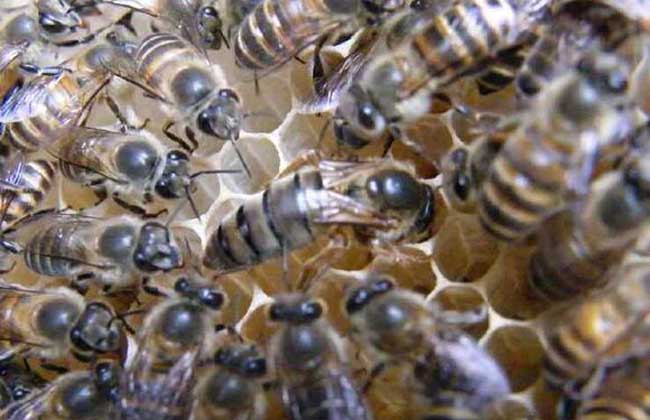
The queen bee, also called the mother bee or queen, is a female bee with fully developed reproductive organs, developed from a fertilized egg. Usually each colony has only 1 queen. The quality of the queen determines the strength or weakness of the colony, and a high-quality queen is a necessary condition for ensuring high yields. Let's take a look below at how much a queen bee costs!
How much does a queen bee cost?
The price of a queen bee generally ranges from 100 yuan to several hundred yuan, and the price varies with the quality of the queen.
How to choose a queen bee
1. Young: In a colony, a queen bee can generally live 4-5 years, but after 2 years, her egg-laying ability gradually weakens. Therefore, when choosing a queen bee, choose a young one, preferably 1-2 years old.
2. Body length: The longer the queen bee's body, the longer her ovarioles, and the more eggs she will lay. Generally, you should choose an excellent queen with a body length of about 25 mm, and the body length must not be shorter than 20 mm.
3. Large individual: Under normal circumstances, a queen bee with a large body and heavy weight has well-developed reproductive organs and lays many eggs. During the peak egg-laying period, she can lay 1000-2000 eggs per day. The total weight of the eggs can often exceed the queen bee's own body weight. Generally, you should choose an excellent queen weighing more than 300 mg.
4. Strong egg-laying ability: An excellent queen bee must not only be able to lay more than a thousand eggs per day, but the eggs laid must also be neat, laying a comb full before moving to another comb. If a queen bee lays only a few hundred eggs a day and scatters them on the comb, laying a few dozen here and a few dozen there, very irregularly, it will affect colony development and honey production, and she should be culled.
Methods of introducing a queen bee
1. Indirect introduction: Indirect introduction of a queen bee uses a device, making the queen safe and the bees likely to accept her. It is especially safe and reliable for introducing breeding queens and introducing a new queen to a colony that has been queenless for a long time. Using a full-frame introducing cage to introduce a queen is safe and does not affect the introduced queen's egg laying. Place the queen and the bees' comb into the full-frame introducing cage; there should be some stored honey on the comb. Close the cover plate on top and put it into the queenless colony. After 3-4 days, remove the full-frame introducing cage. Since the queen has lived in the colony for some time and lays eggs normally, she is easily accepted by the colony.
2. Direct introduction: Put the queen bee directly into a queenless colony. This is usually used during a major honey flow period, or when replacing the queen immediately. It is mainly tried based on personal experience, and there are various methods. In the evening, spray a little honey water on the queen, place her in front of the entrance of the queenless colony or on the top bar of a comb, and let her crawl into the nest. You can also take out two frames of bees from the queenless colony and shake them out in front of the hive, put the queen among the bees, and let the queen and bees crawl into the hive together. When replacing the queen, take out the comb of the queen to be culled, remove the queen, immediately place the replacement queen on that comb, and put it into the colony. You can also spray honey water or smoke into the colony receiving the queen.
3. Rescuing a balled queen: After direct introduction of a queen, after release of an indirectly introduced queen, or when robbing bees occur, or when a new queen mistakenly enters another hive on returning from mating, the queen may be surrounded and bitten to death by bees. Observing from outside the hive, if the bees are in disorder, open the hive immediately to check. If a ball of bees is seen between the combs or on the hive bottom, the queen is being balled. You can put the bee ball into water to force the bees to disperse, then catch the queen and examine her. If the queen is not injured, use a safe introducing cage to cover her on the comb and introduce her again. Otherwise, cull the queen, correct the problems in the colony, and introduce a queen again.
4. Handling absconding: When directly or indirectly introducing and releasing a queen, sometimes the queen will fly away. At this time, if the hive cover is open, keep it as it is, and the queen will soon fly back. If the hive cover is closed, changing the original state, when the queen flies back she often mistakenly enters another colony and is killed.